
Act confidently in an emergency
Every fall can become a challenge - with the right preparation and quick decisions, you protect yourself and others. Receive important information on how to behave correctly in specific emergency situations and confidently provide first aid.
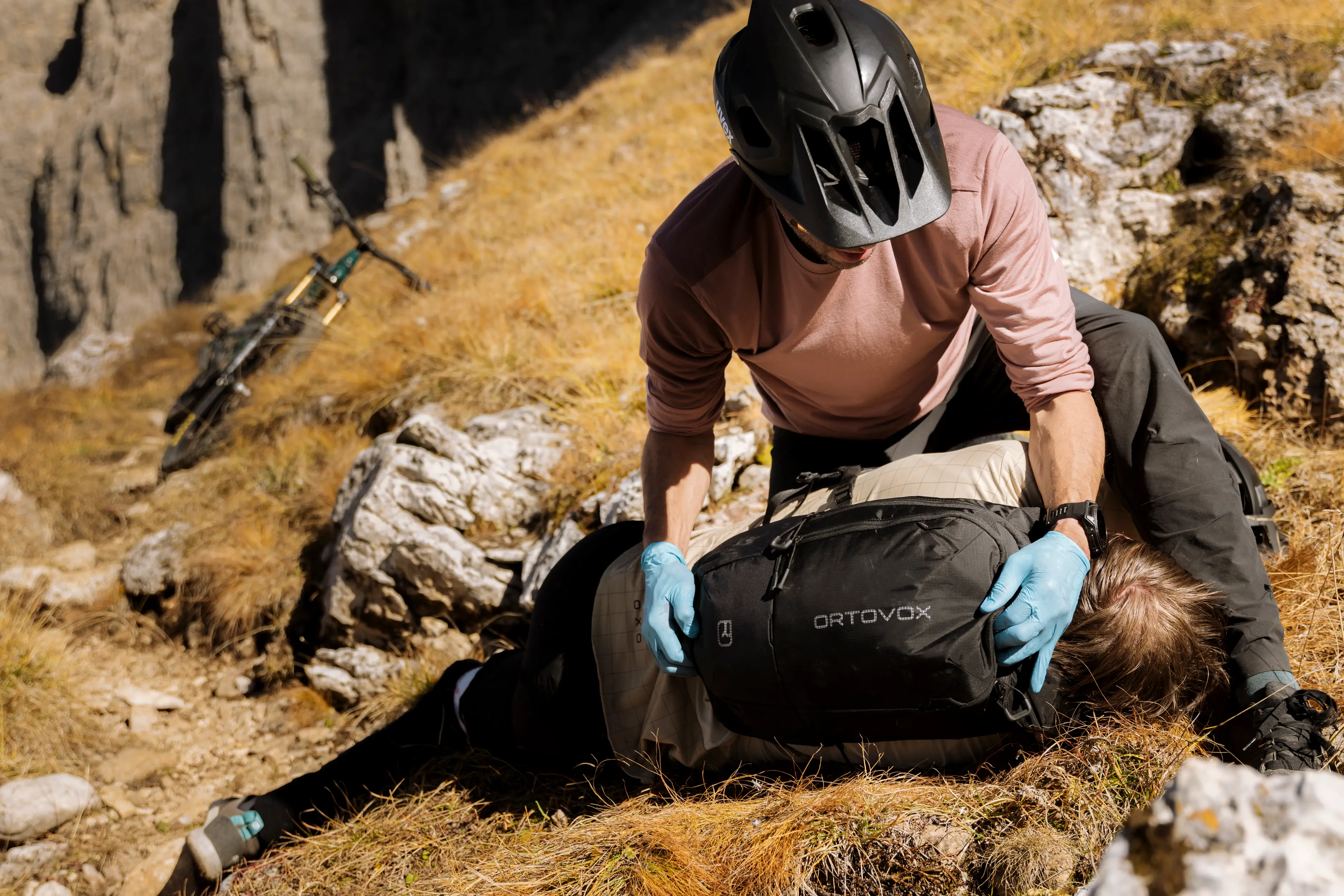
Emergency management
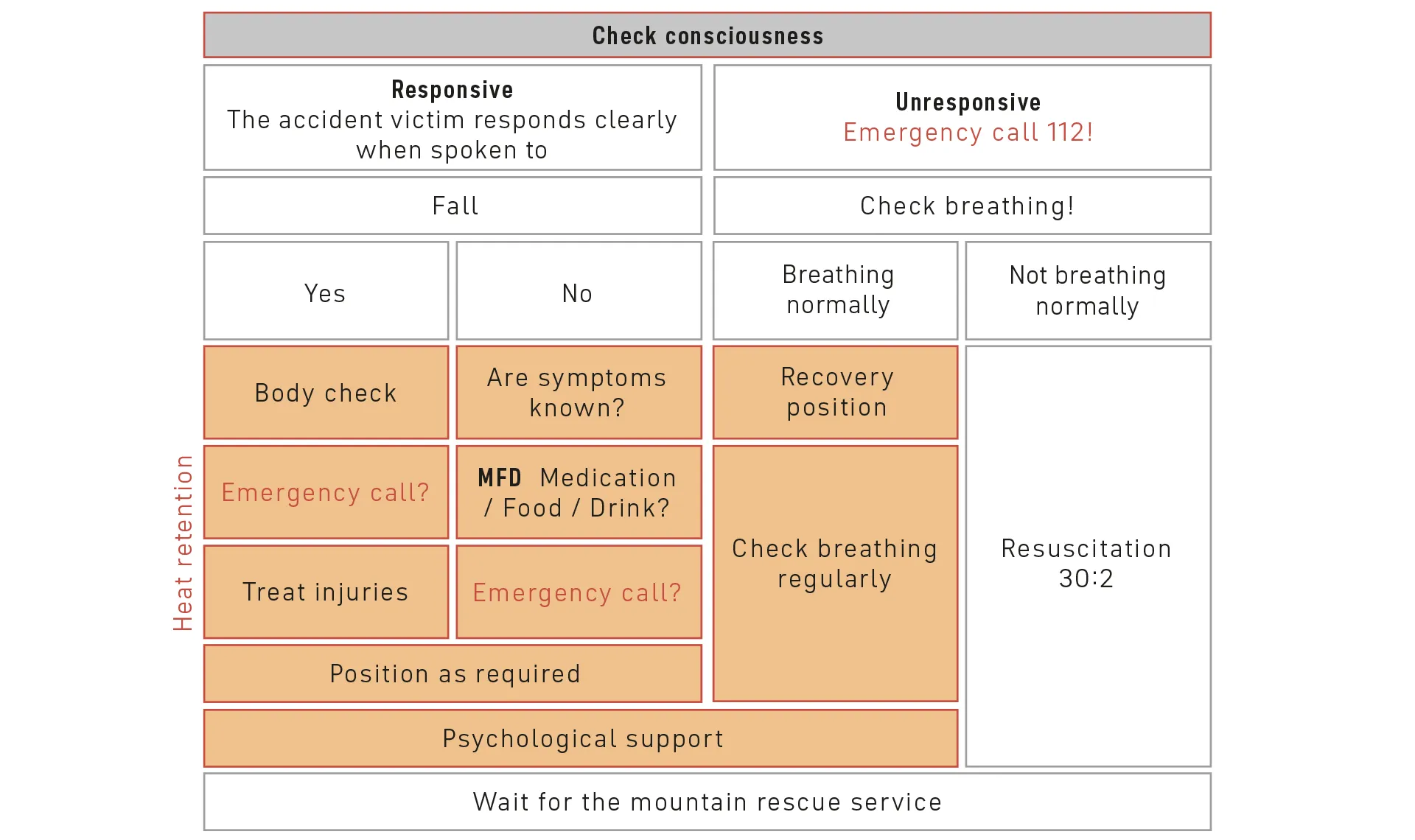
First aid algorithm
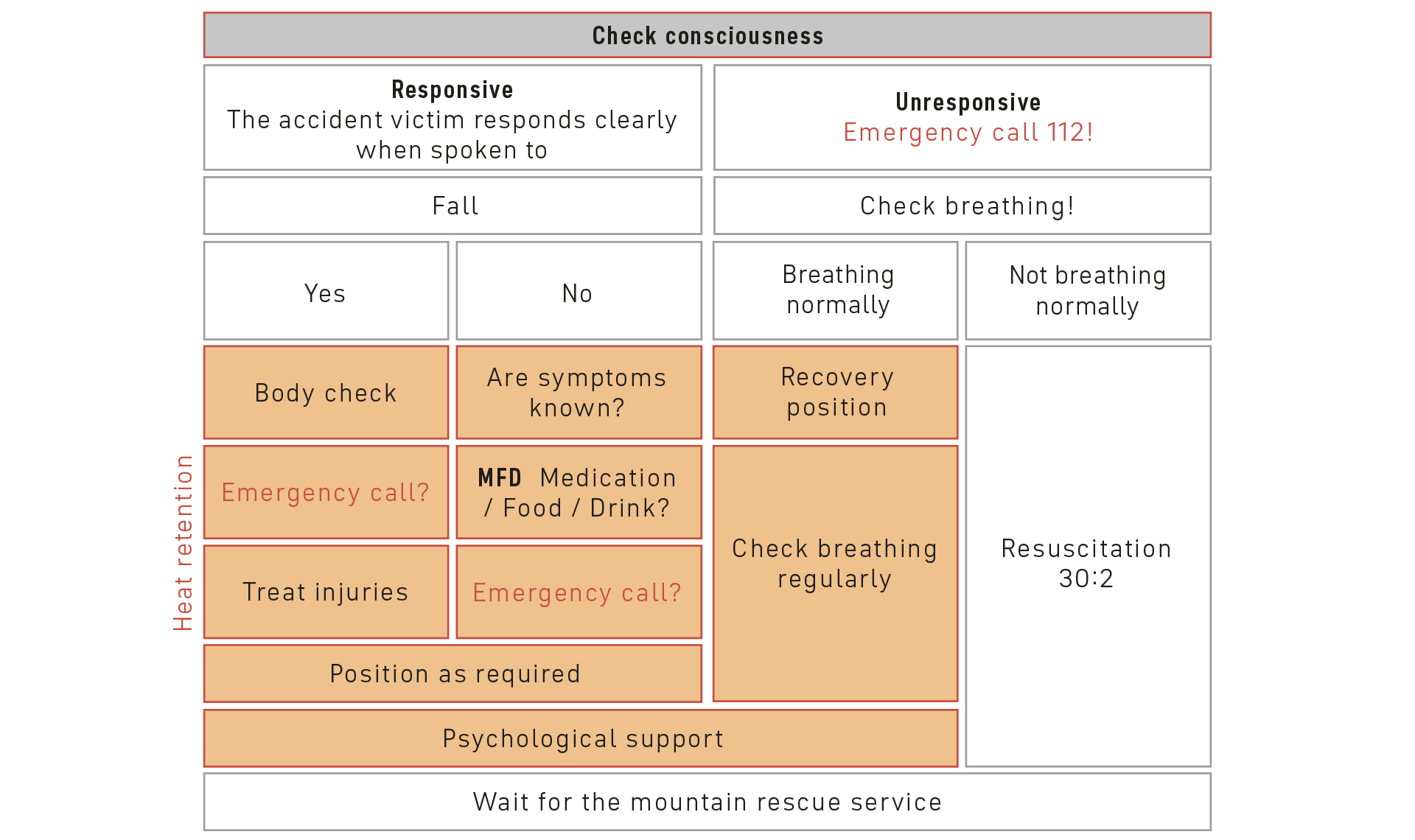
The alpine first aid algorithm is your guide in emergencies. It guides you, as a first responder, through the process in a structured way and gives you confidence.
Take a deep breath – 360° traffic light perspective
Before you take action, take a step back, both internally and externally, and take a deep breath. Only when you are reasonably calm can you make good decisions. Then get an overview of the entire situation. Divide the area into three different zones:
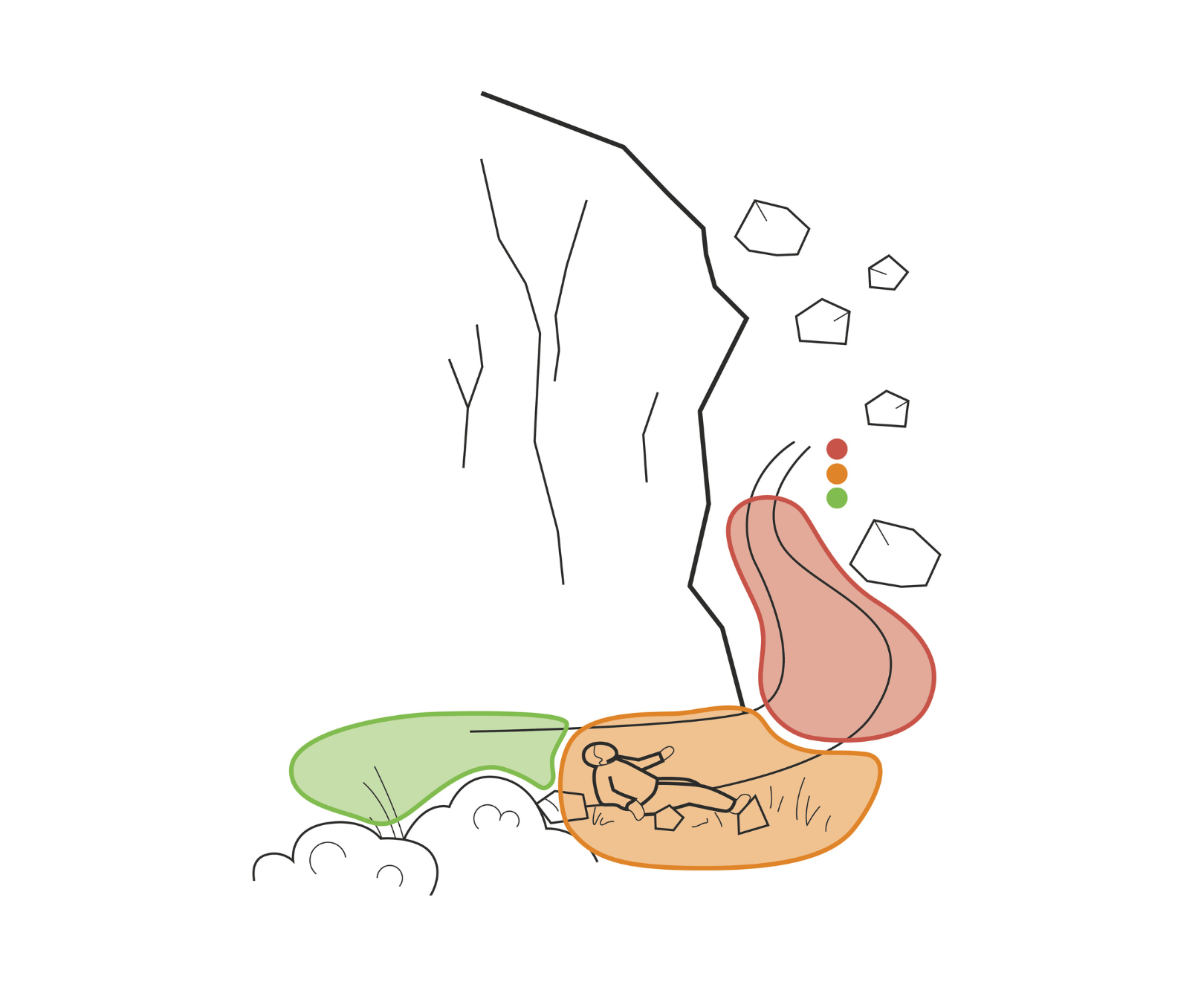
Red zone
Danger zone: Don’t linger here! Is immediate rescue possible with acceptable risk? If not, only then make an emergency call!
Yellow zone
Partially safe area: Only remain for as short a time as possible – provide necessary care and transport as carefully as possible Green zoneSafe area: Staying here is possible – provide complete care
Important: As with real traffic lights, the situation can change at any time. Continuously reassess the situation and adjust your strategy accordingly.
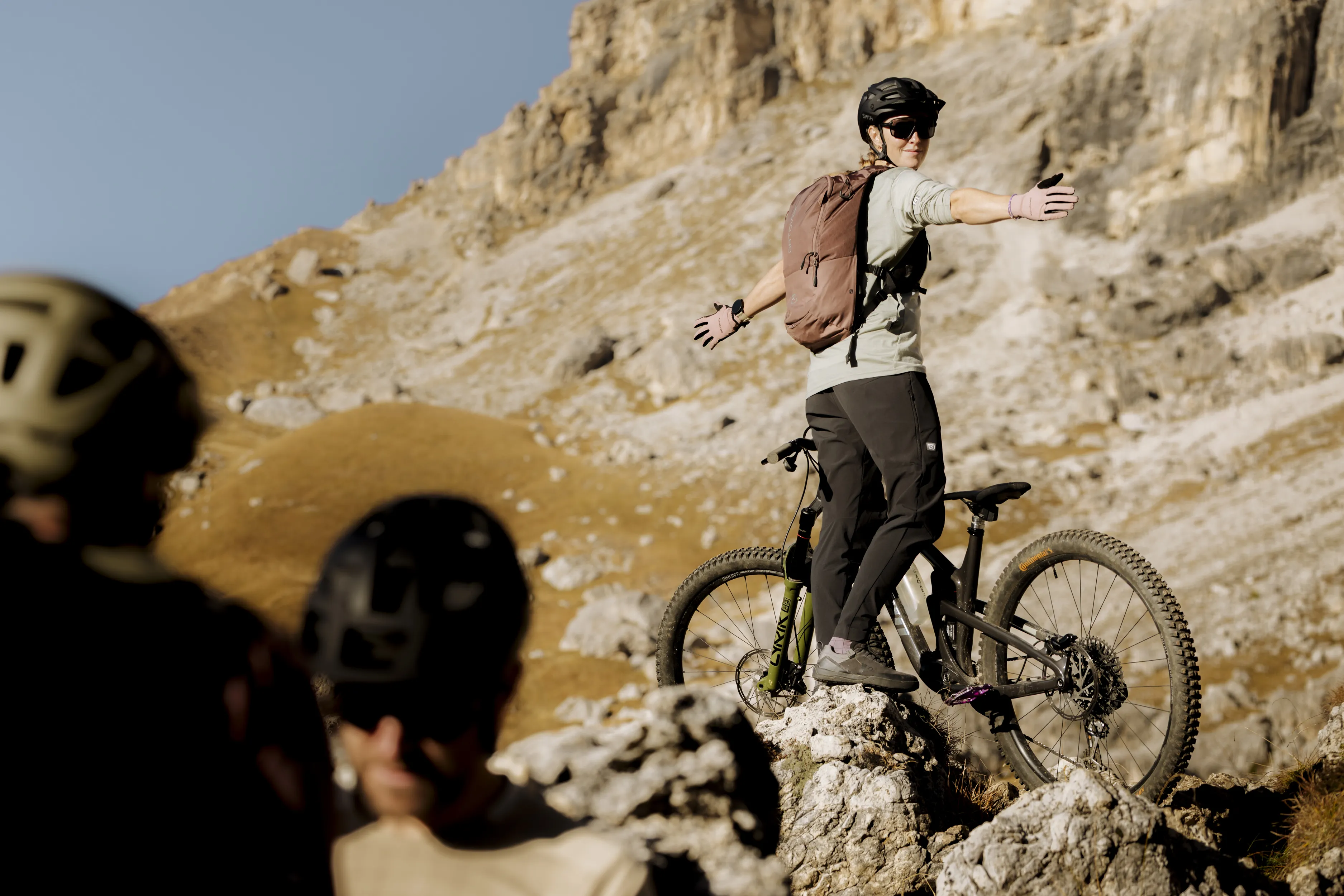
Once you have an overview of the situation, first ensure your own safety, then that of the group and, finally, secure the danger area.
Ensure safety
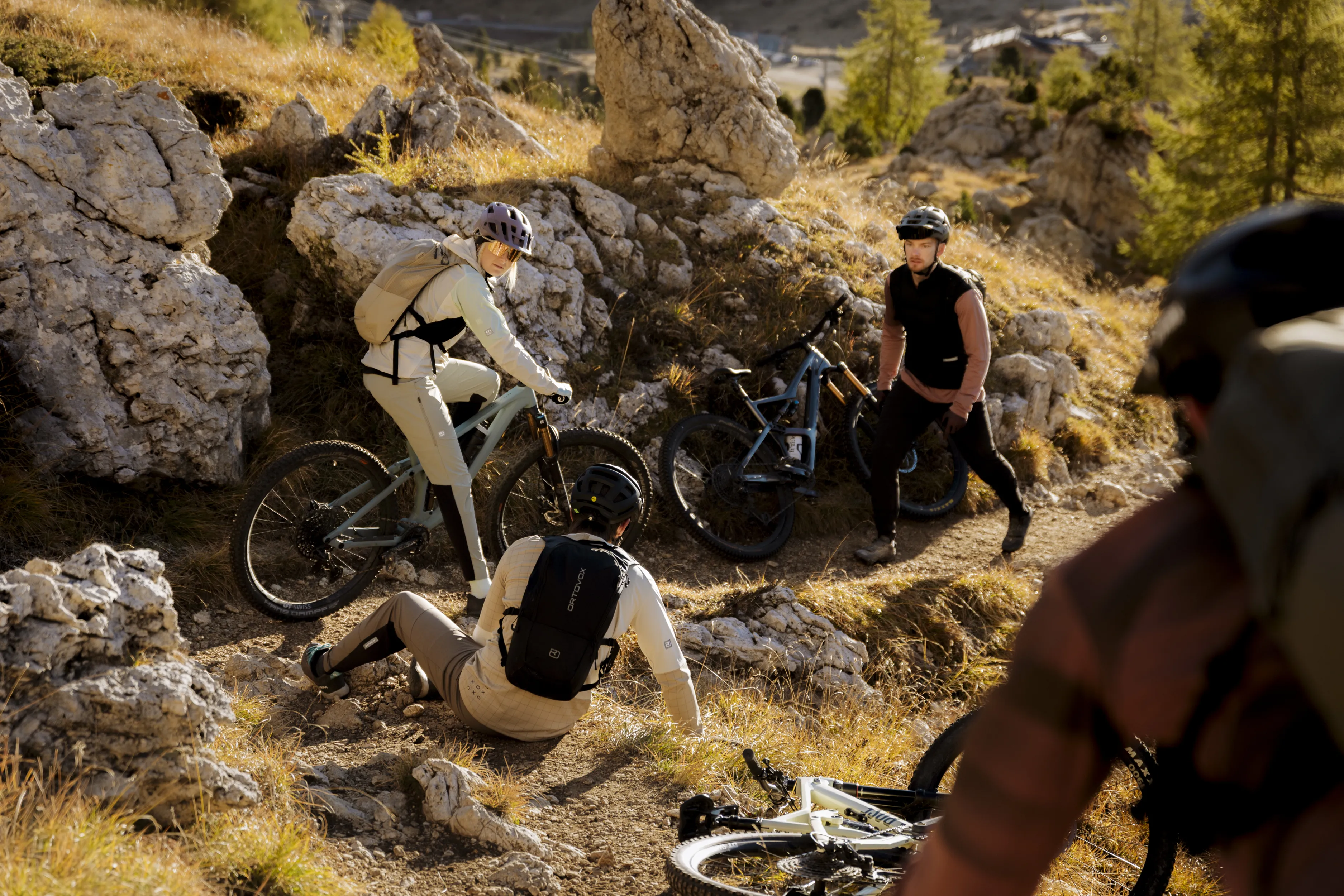
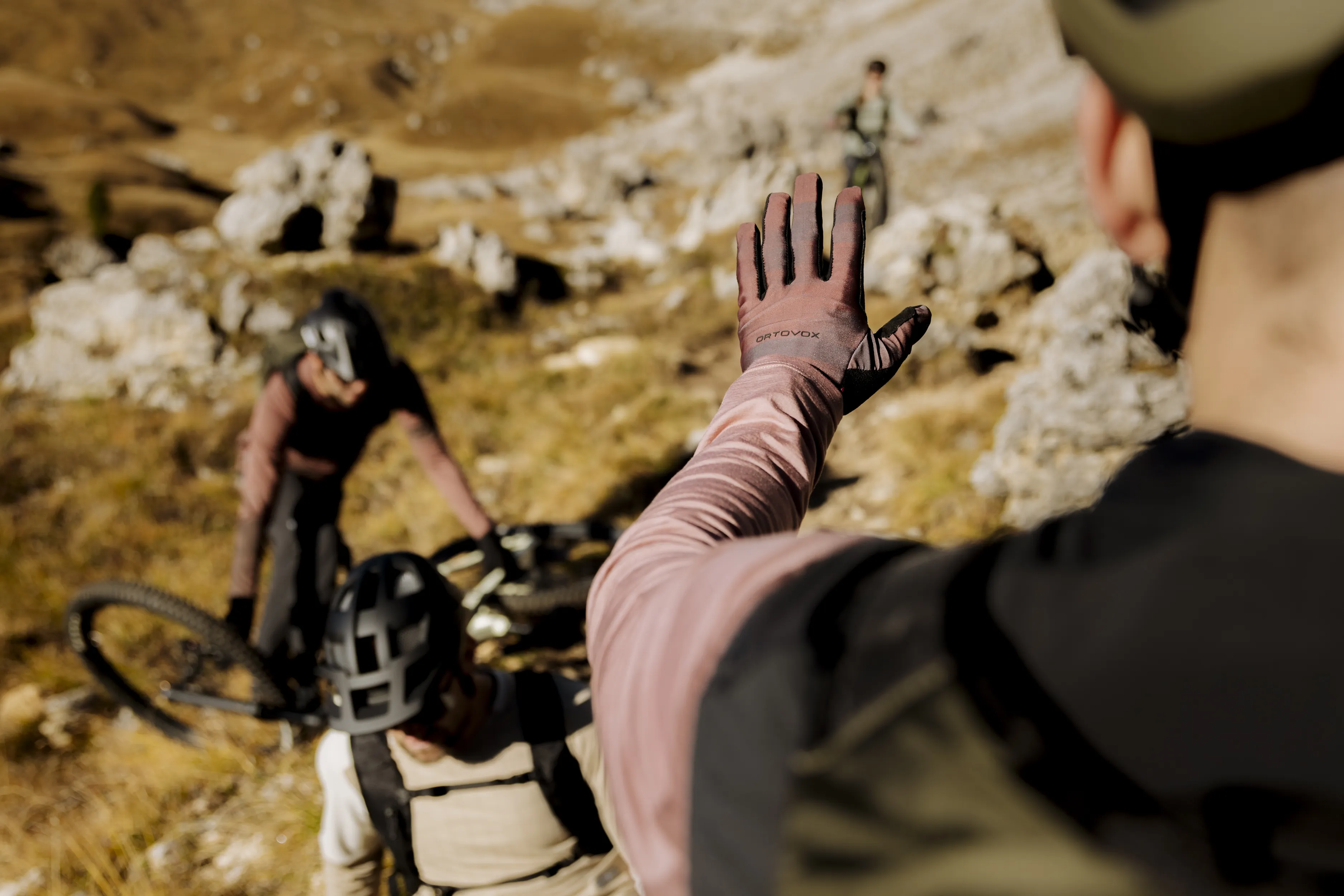
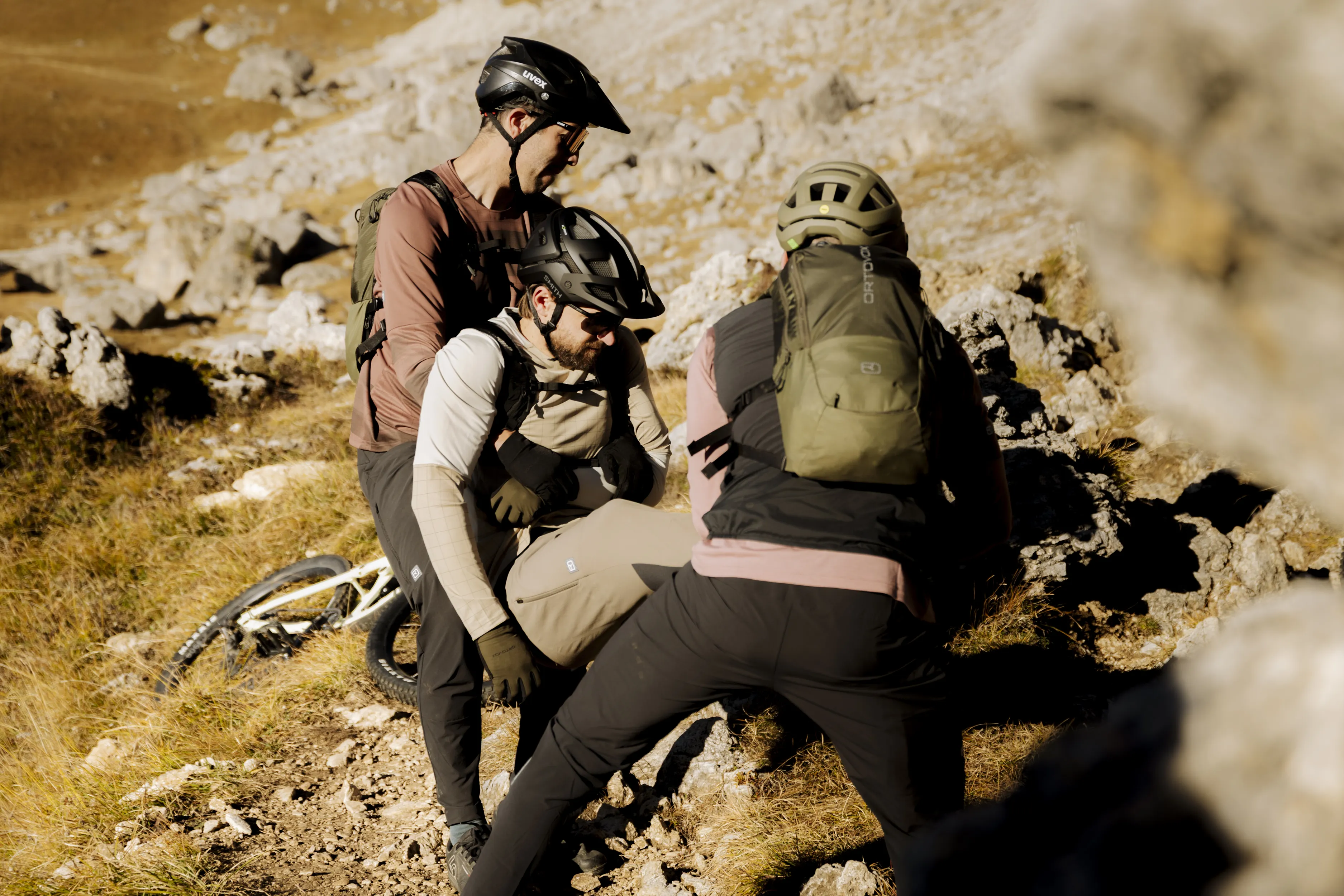
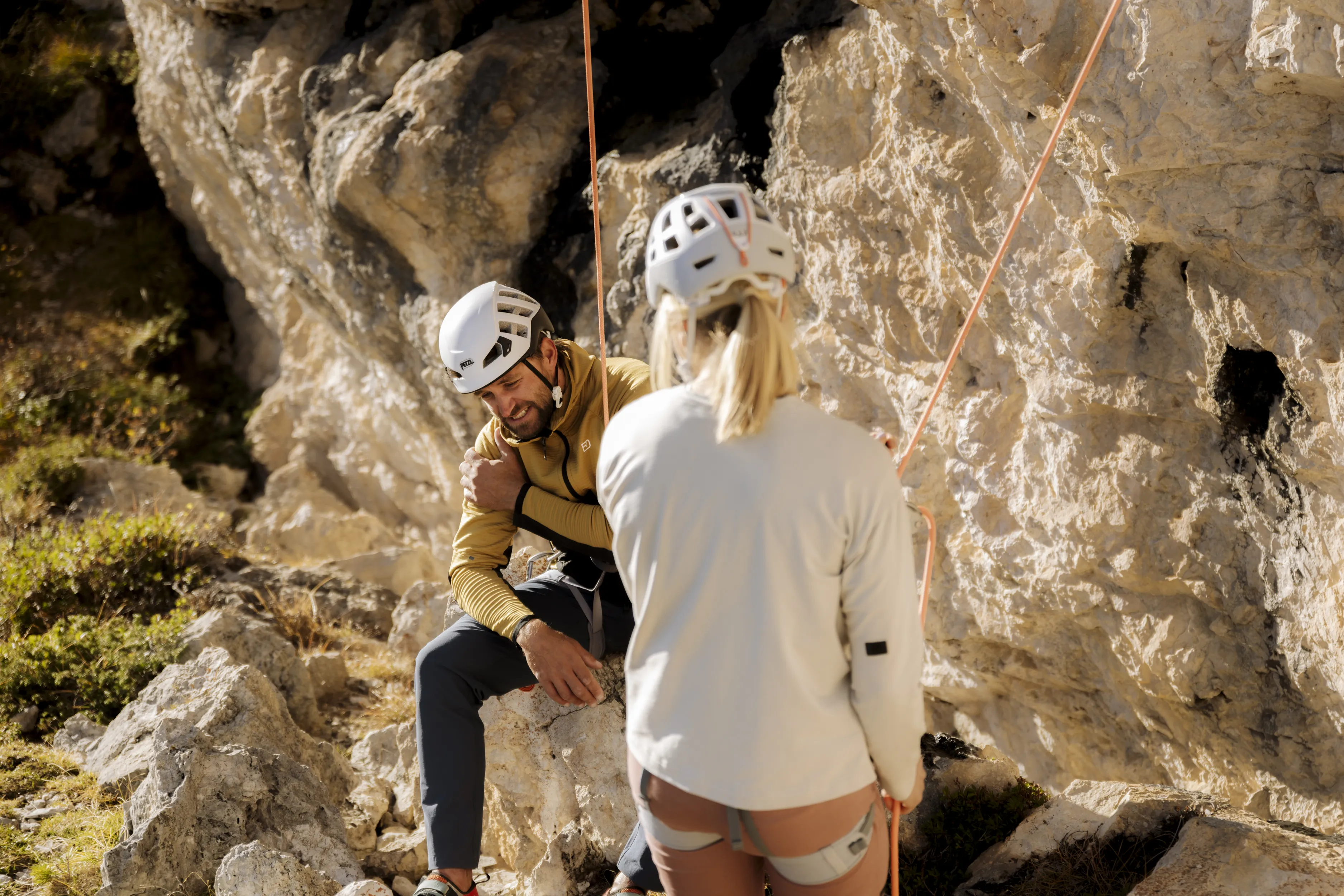
Only when safety has been ensured should you attend to the injured person!
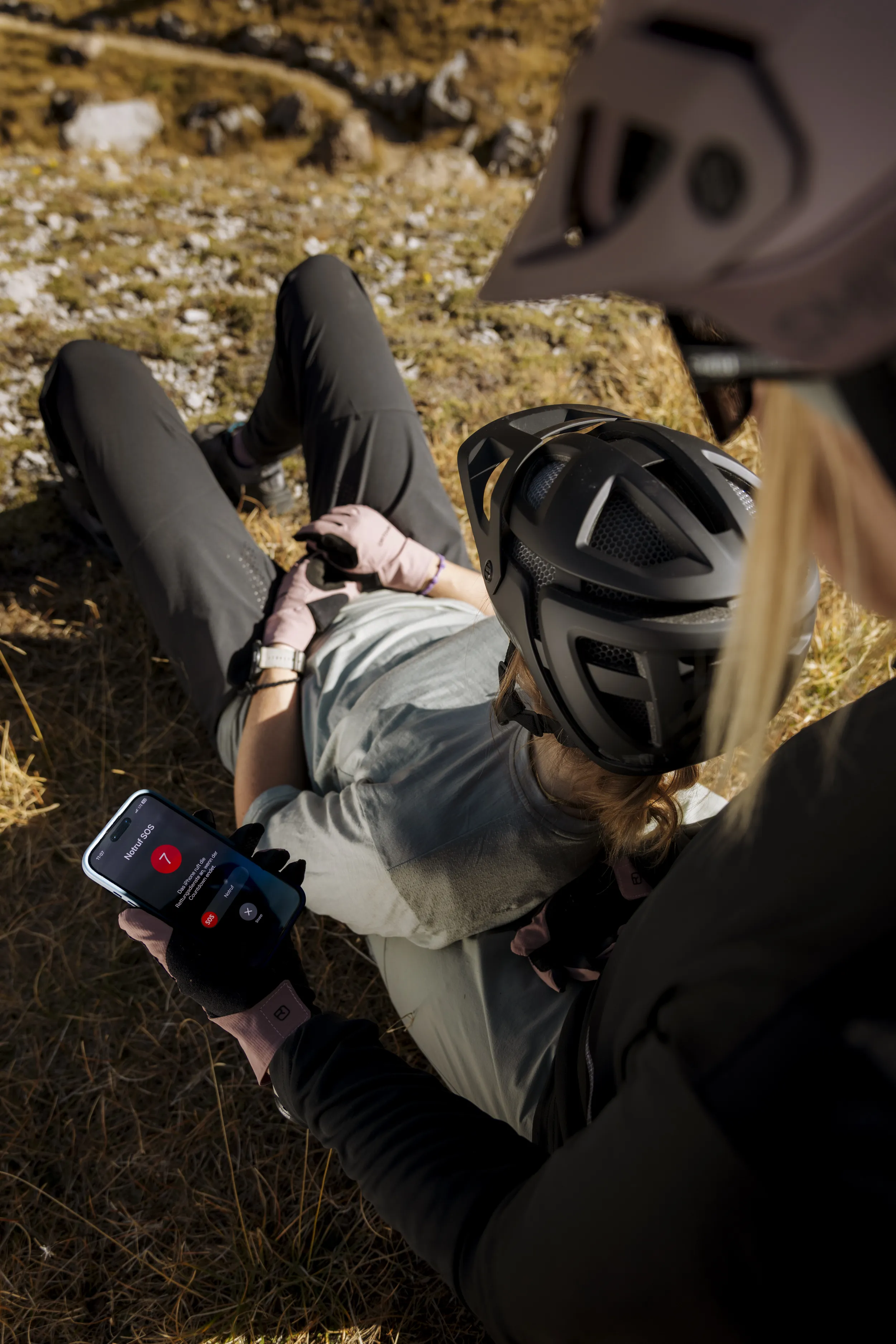
Apps for emergencies



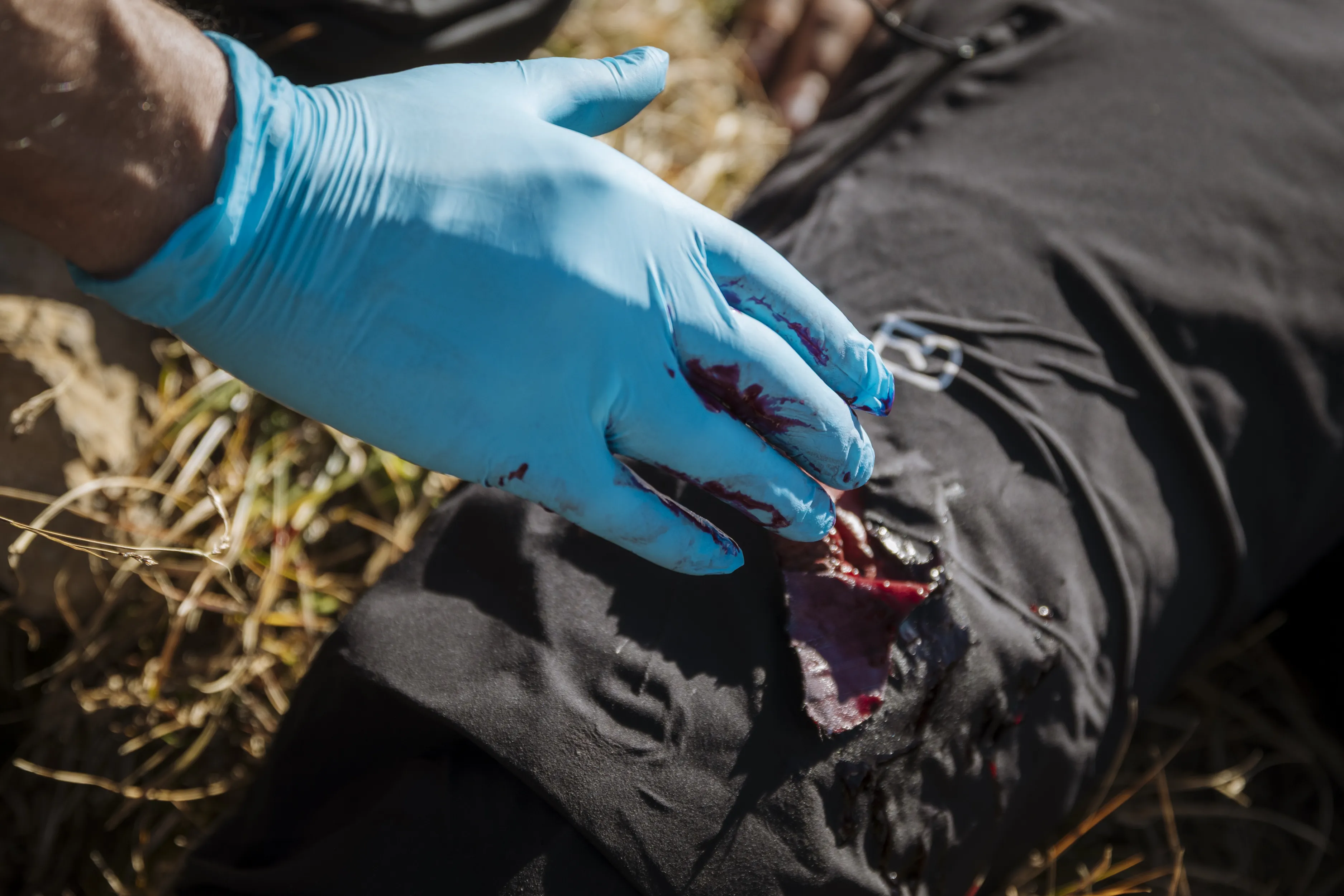
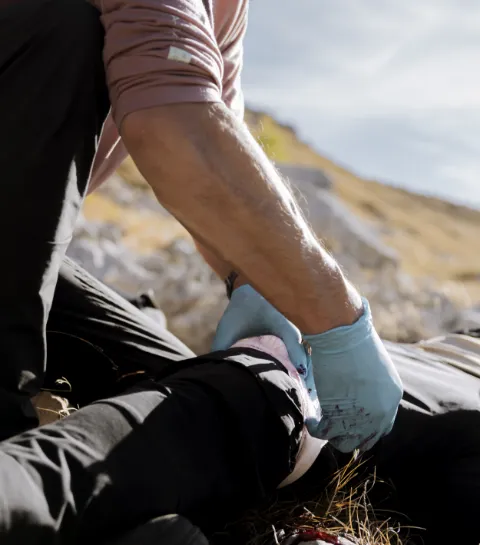
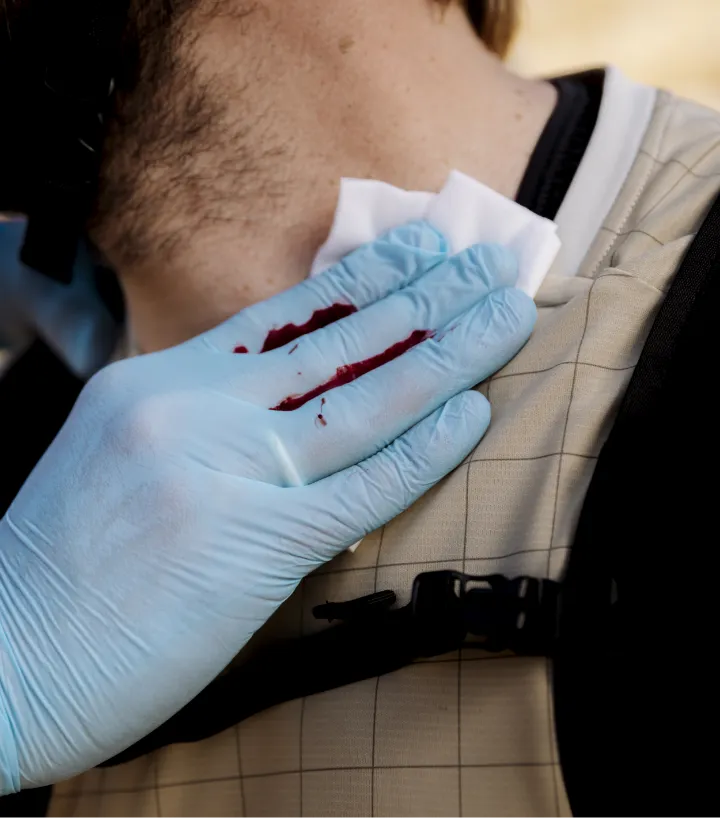
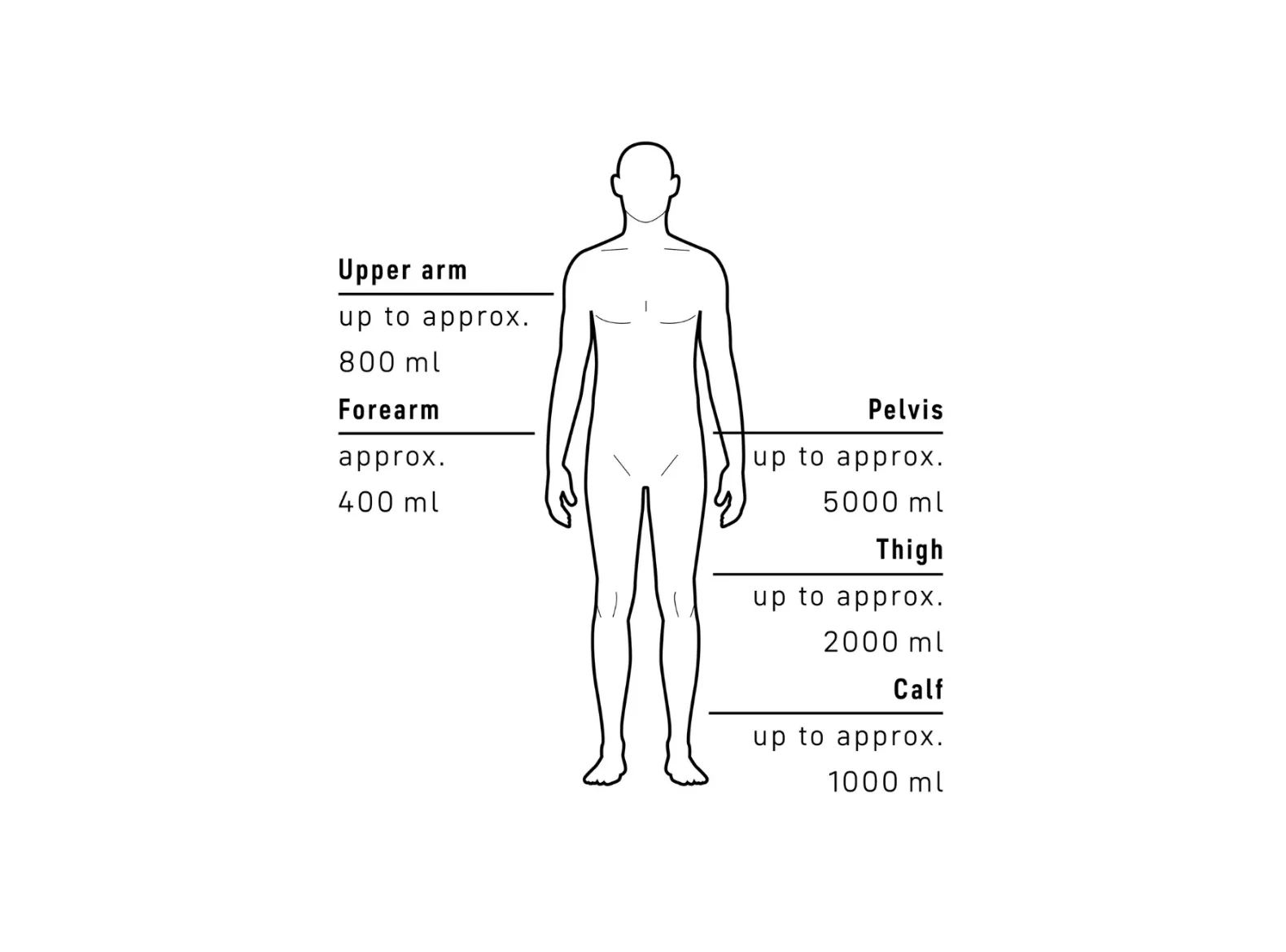
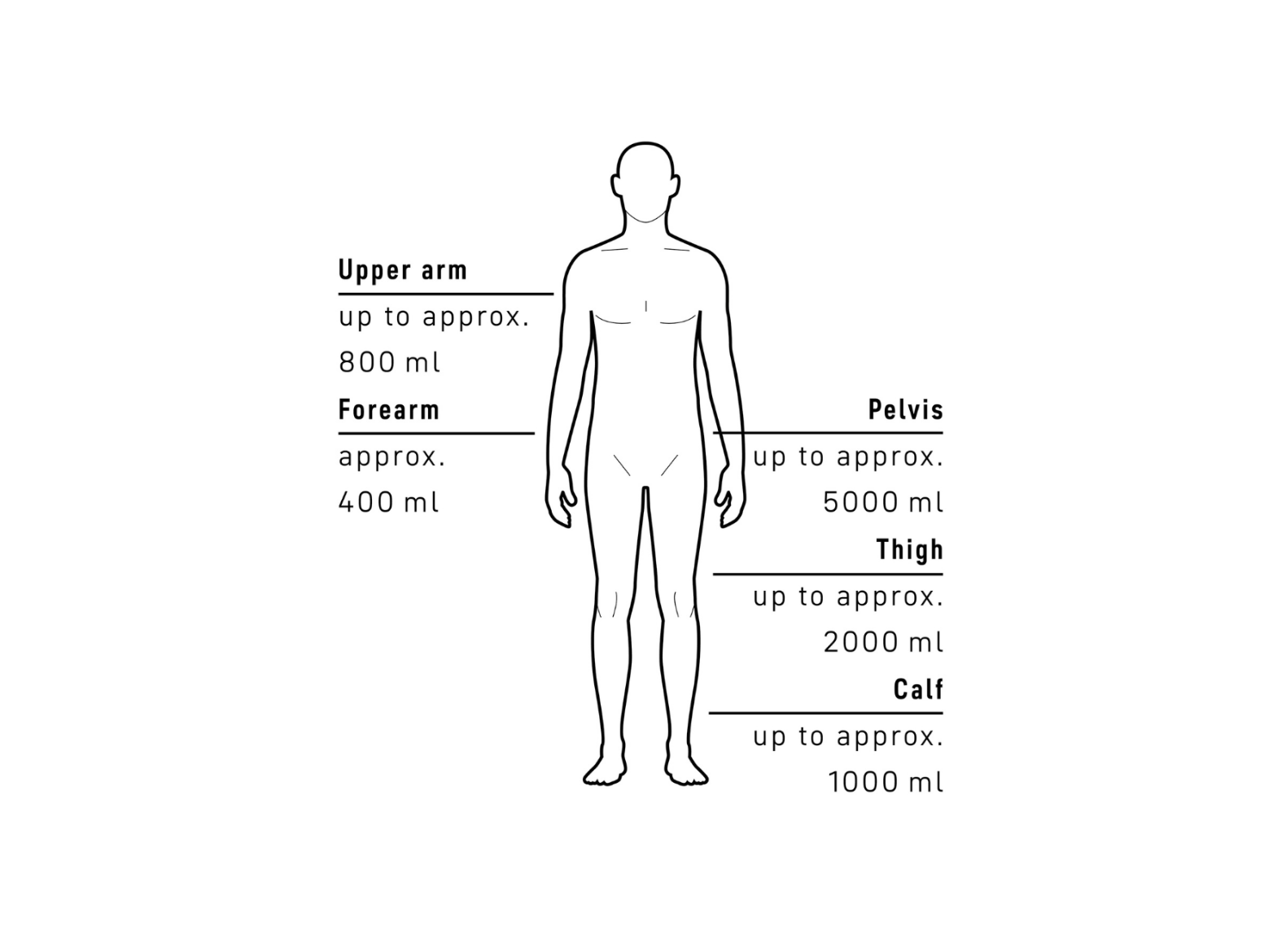
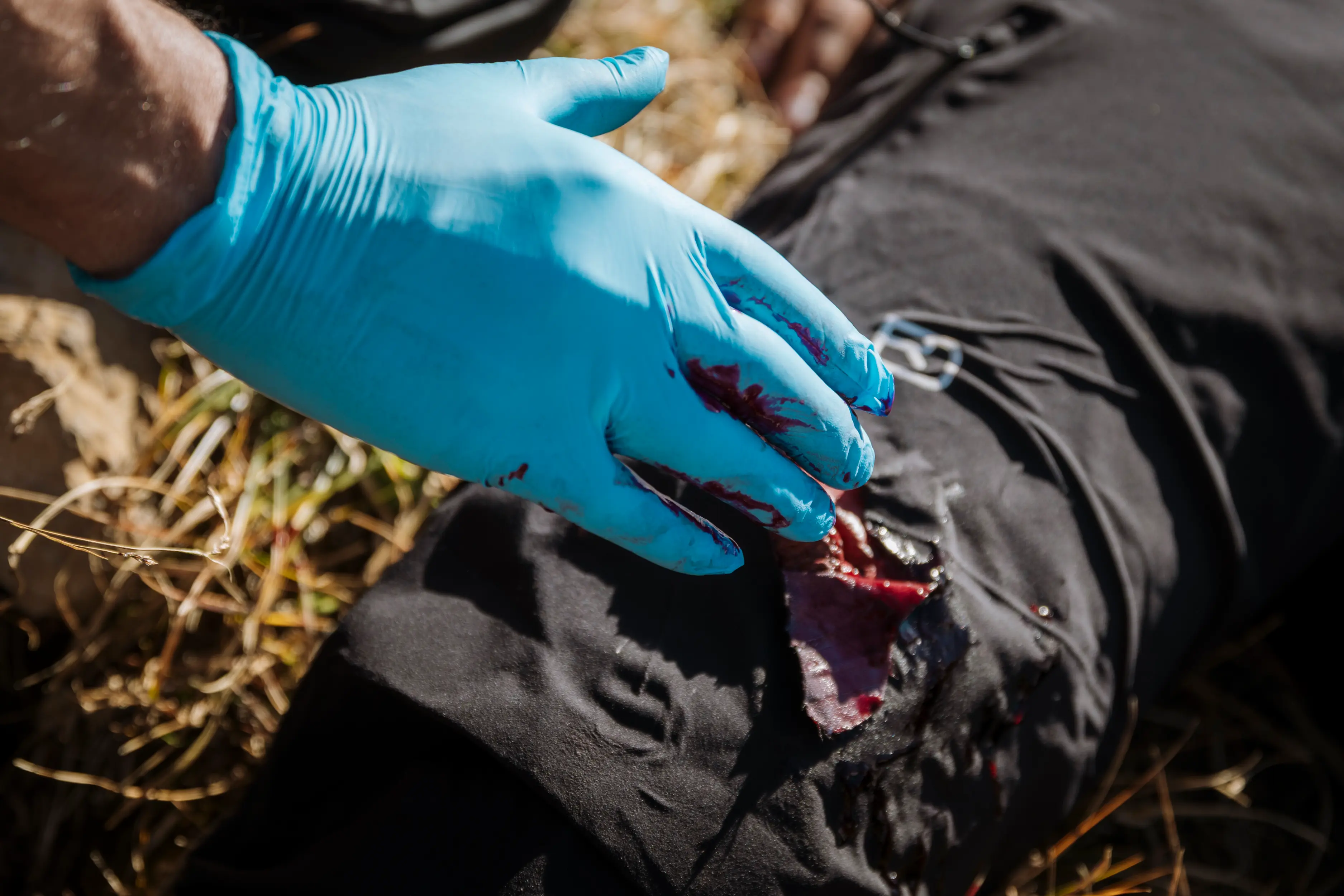
Heavy bleeding? Heavy bleeding (constant or pulsing) is life-threatening and MUST be stopped immediately. This is to be done irrespective of whether the accident victim is conscious or unconscious. A pressure dressing is the best way to achieve this. The general principle is that pressure stops all bleeding! If there are no other options, you should apply manual pressure to the wound! Ideally, you should protect yourself and cover the wound as cleanly as possible.
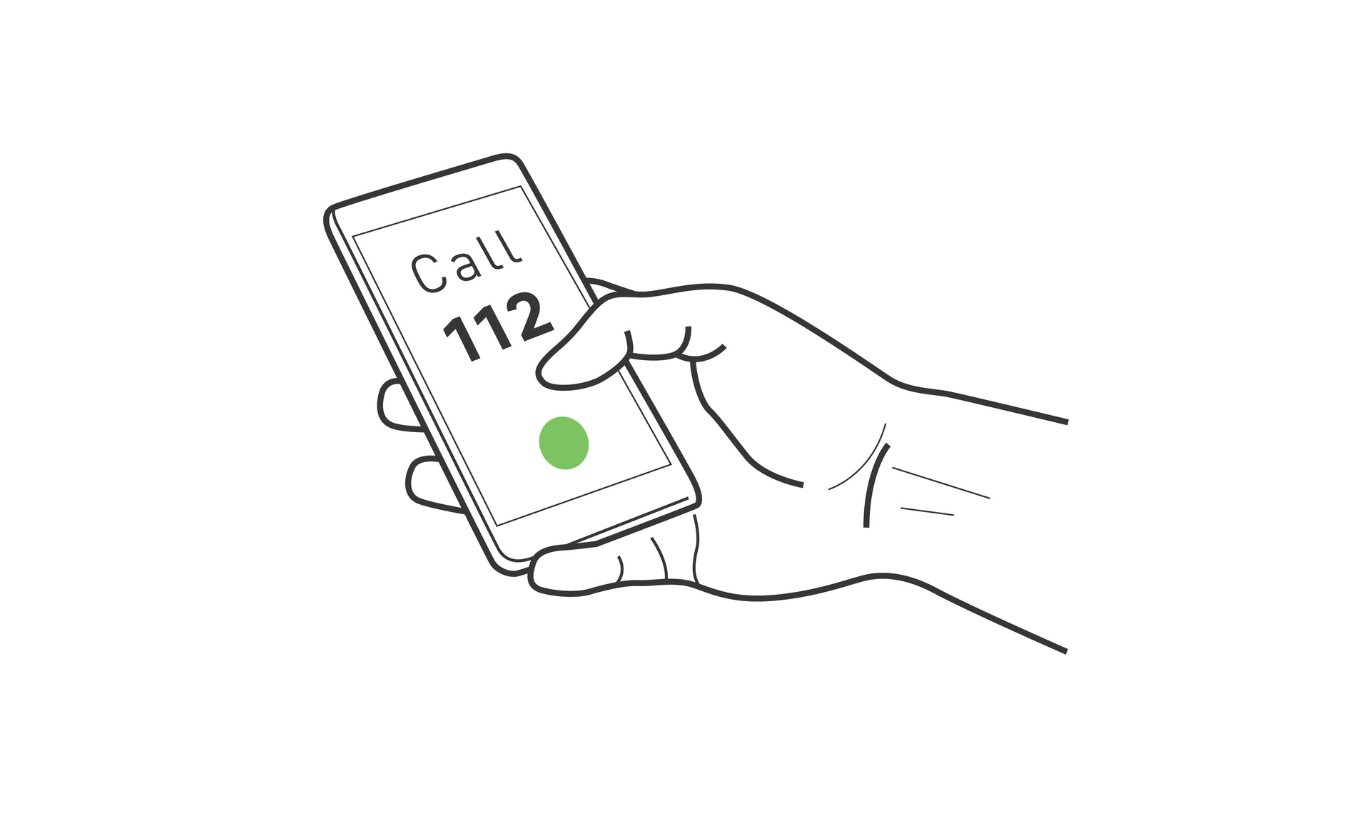
Monitoring of vital functions & quick action in an emergency
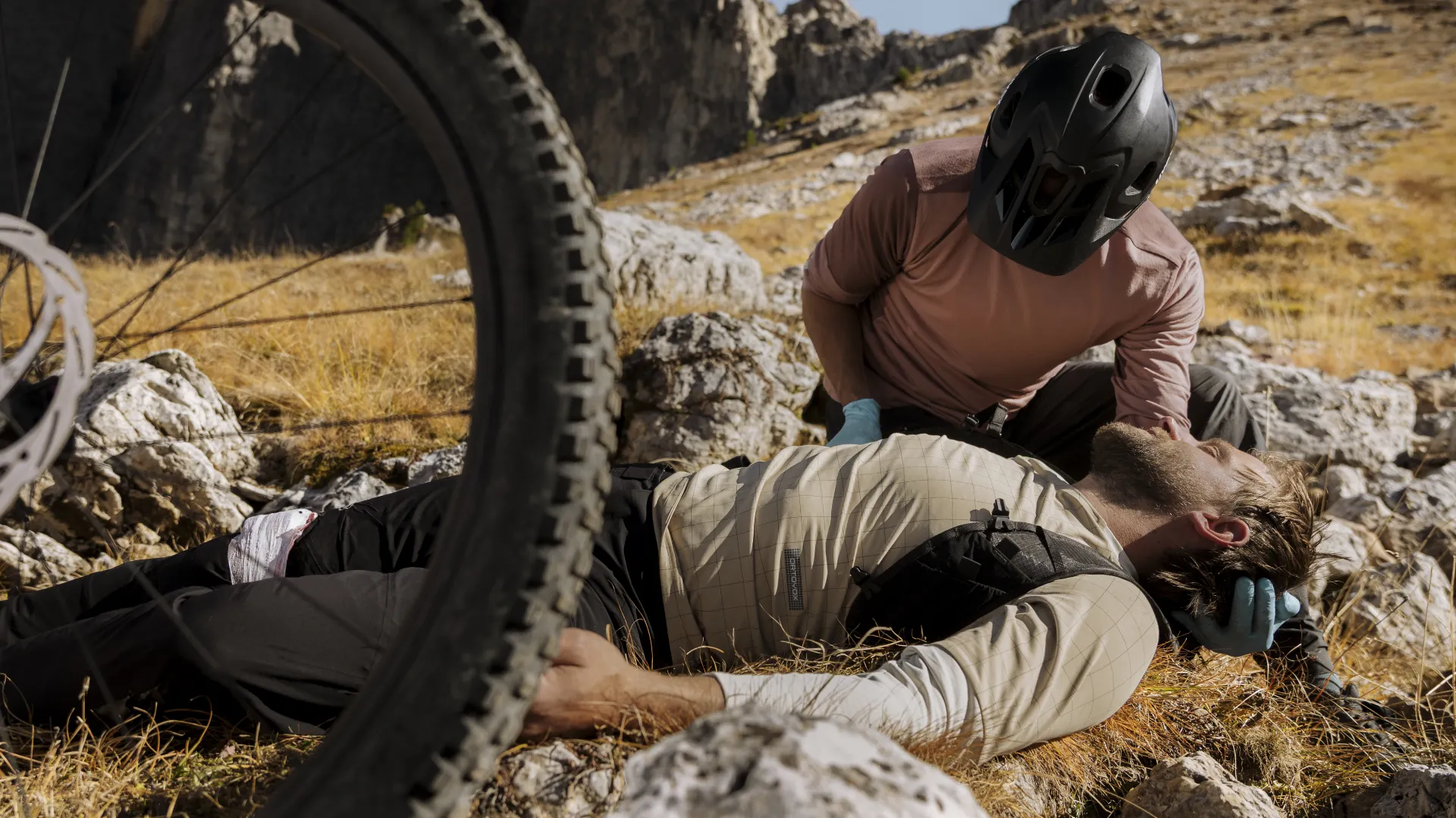
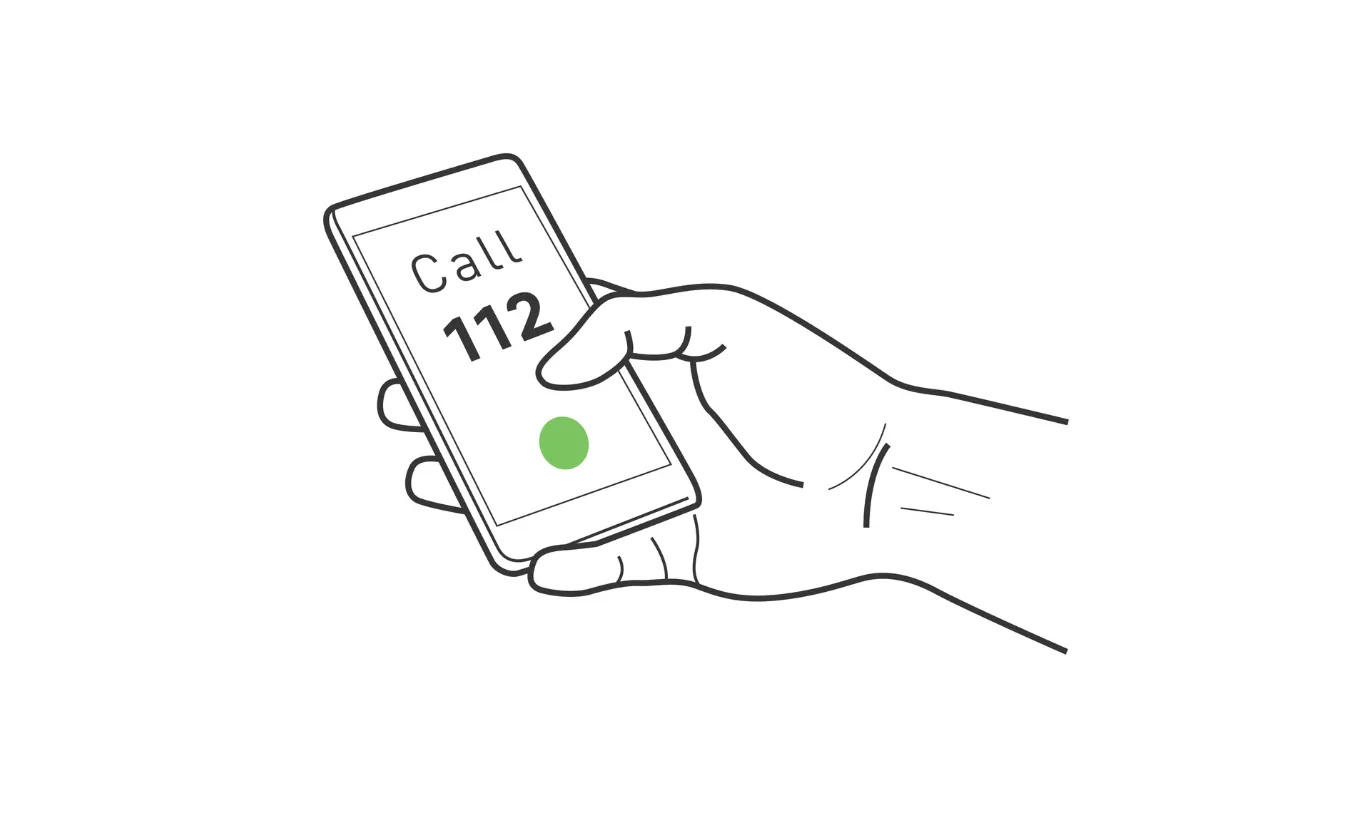
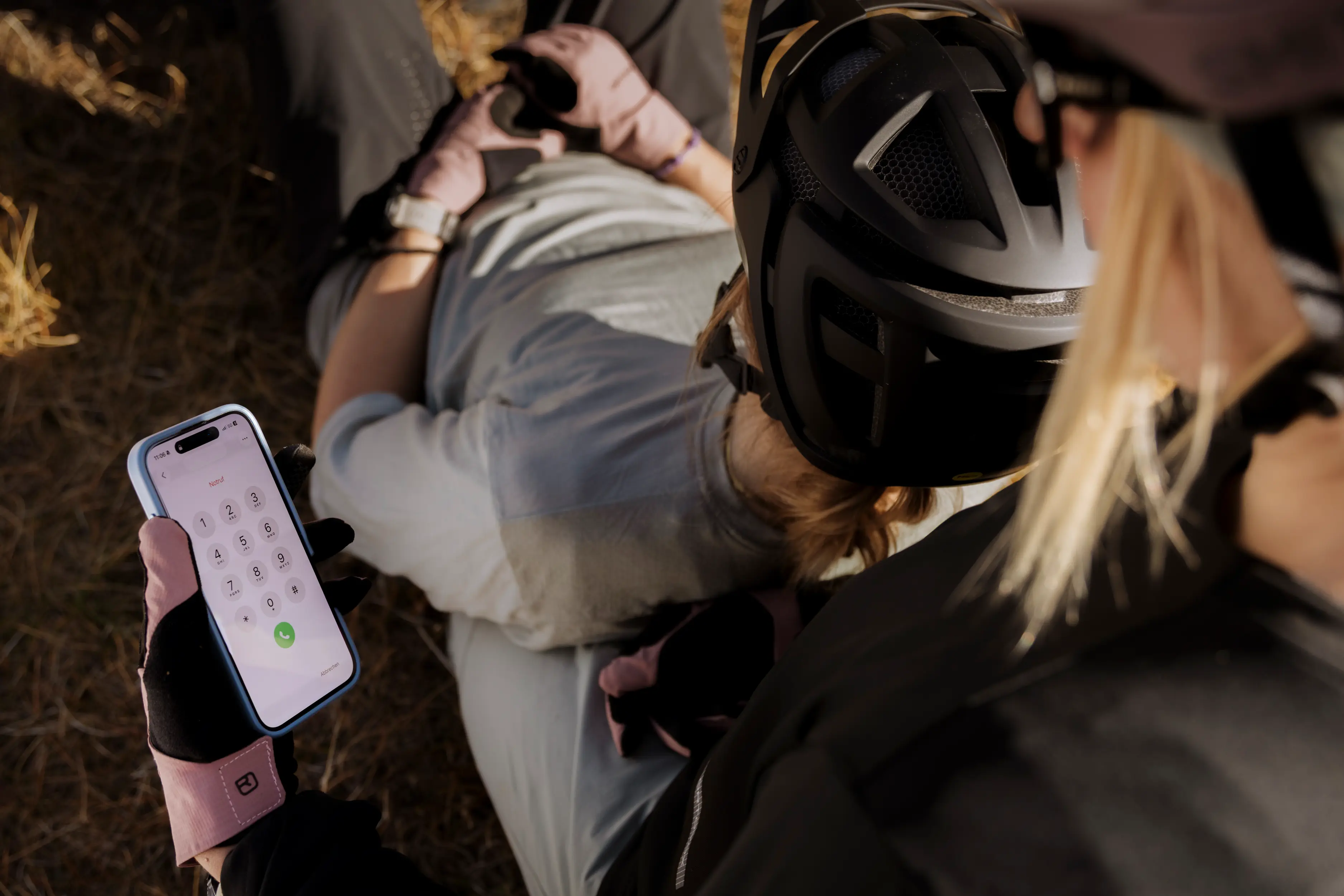
If a person is unresponsive, the emergency call must be made in any case and the breathing checked! The result is either "normal breathing present" or "no or no normal breathing present" and determines the further course of action!
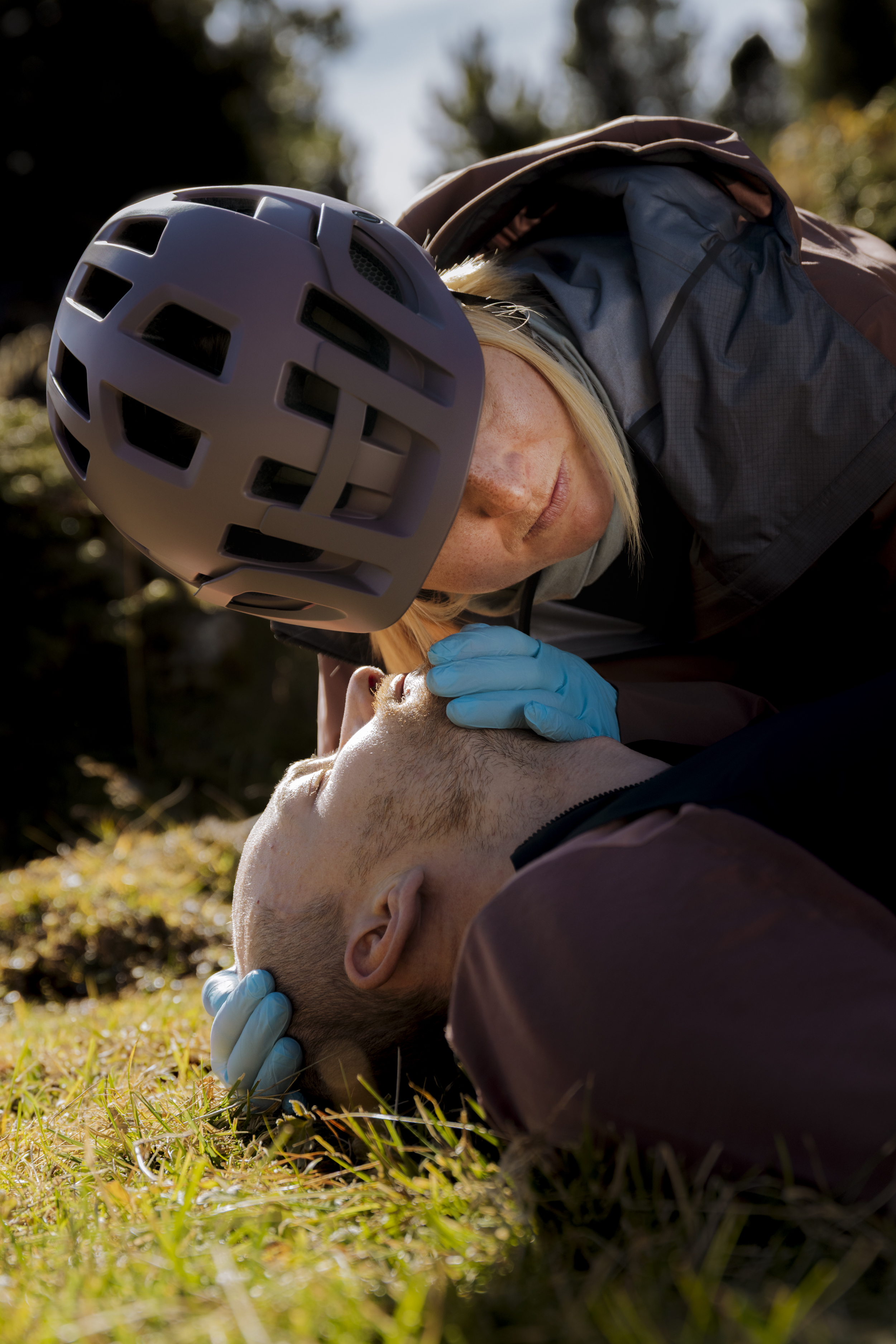
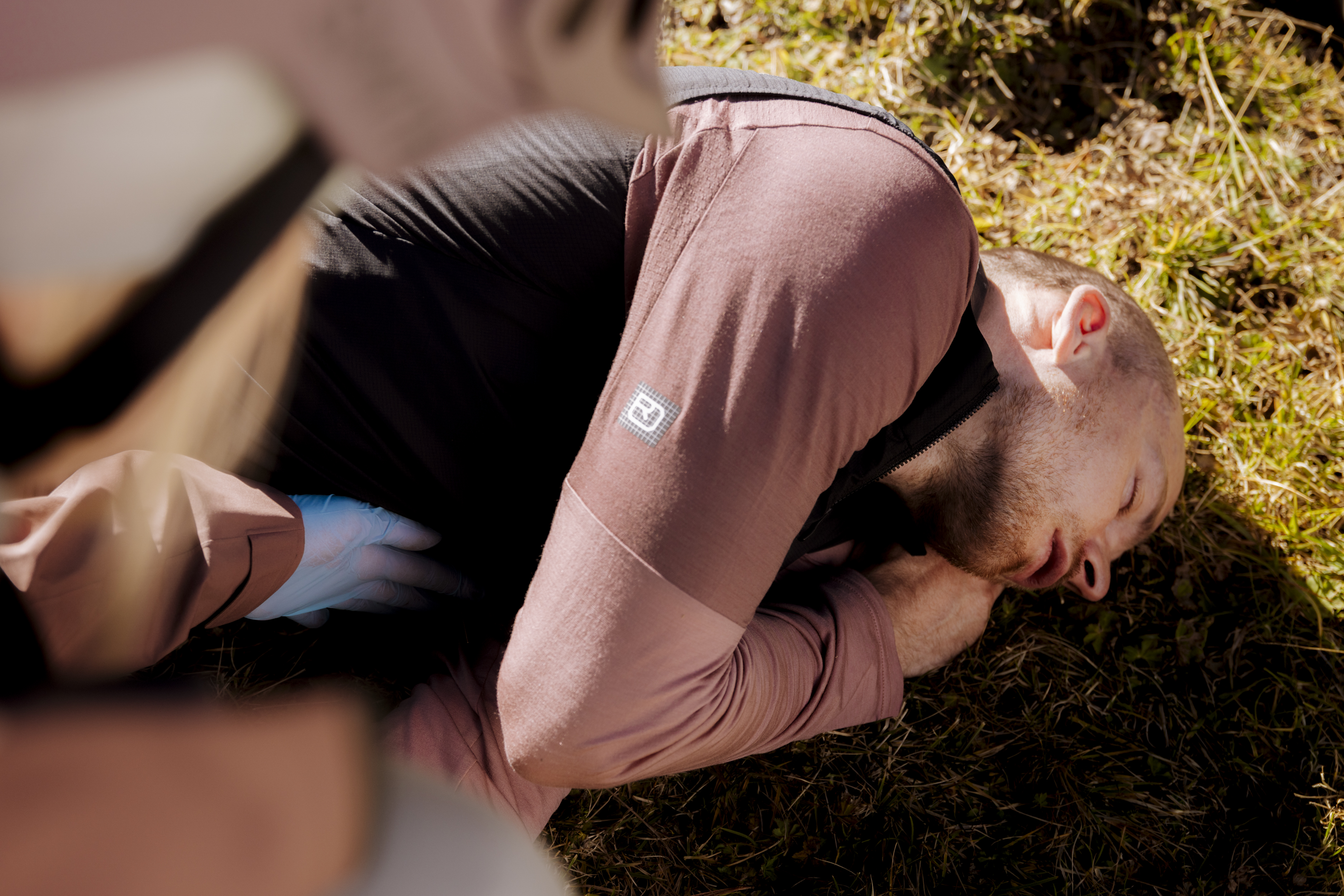
Breathing check
If a person is unresponsive, it is essential to check the person’s breathing and to call the emergency services! The result of the check will be either “breathing normally” or “not breathing at all”, or “not breathing normally” – this will determine how you proceed. When administering first aid, only the breathing of the injured person is checked – the pulse is not taken.
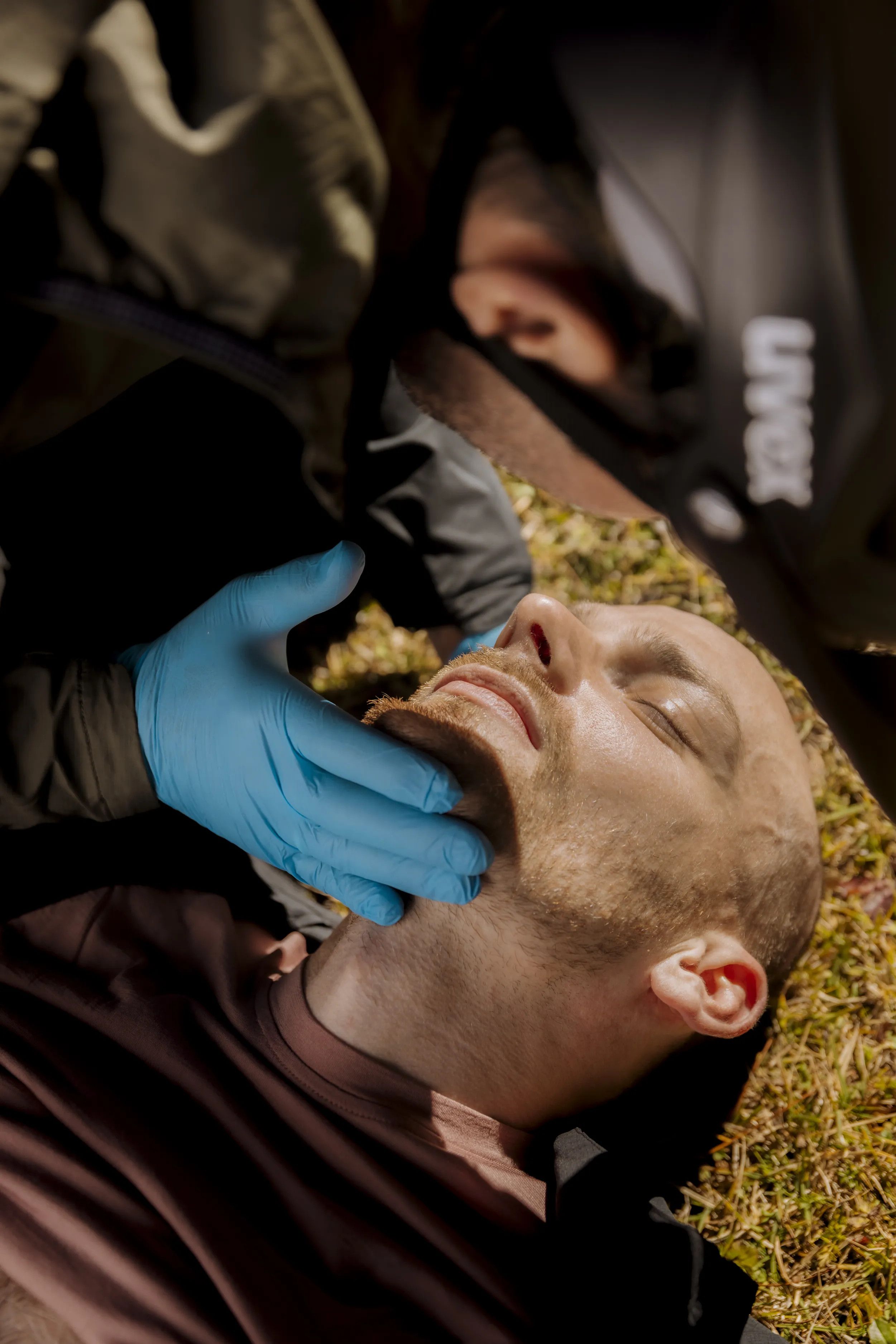
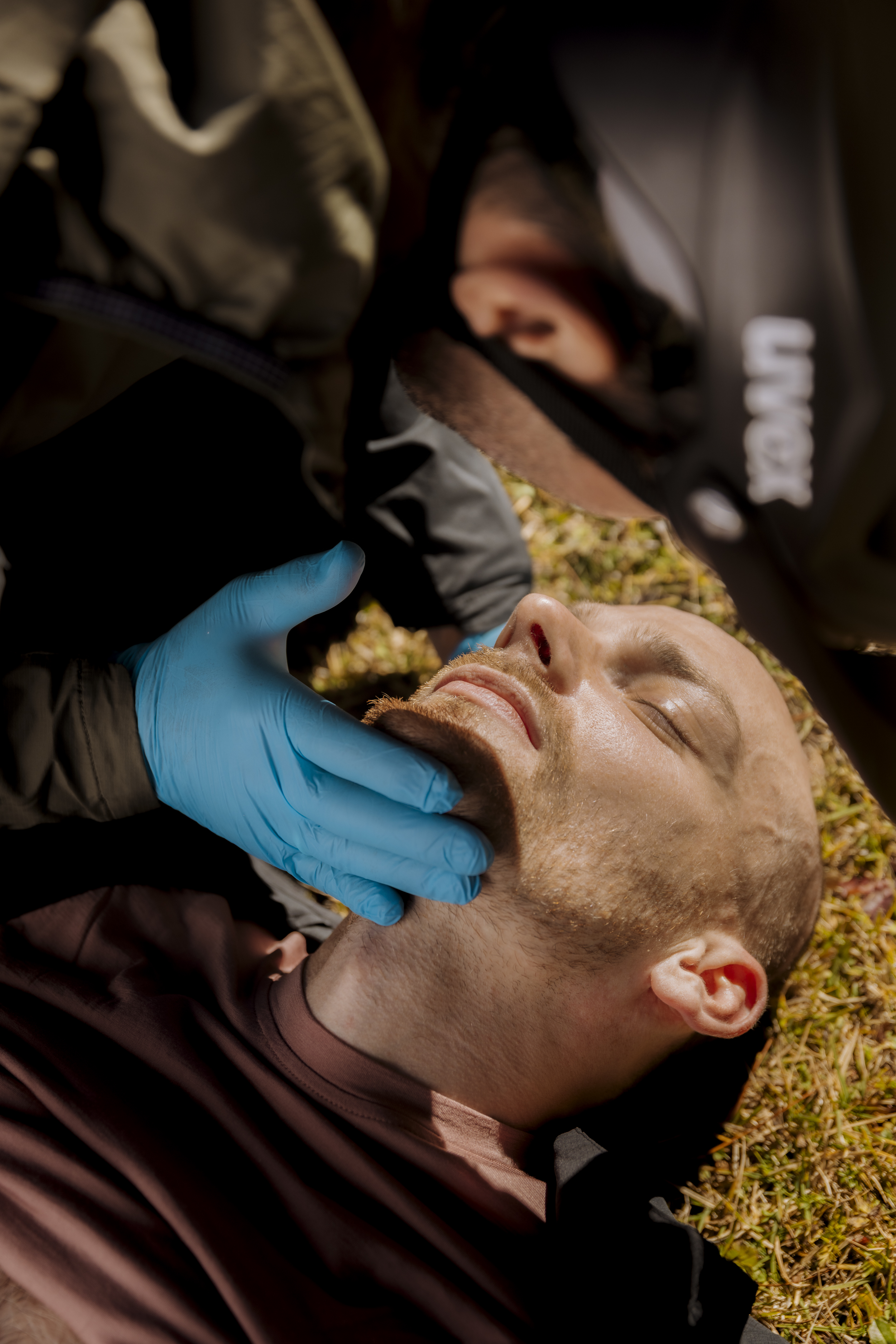
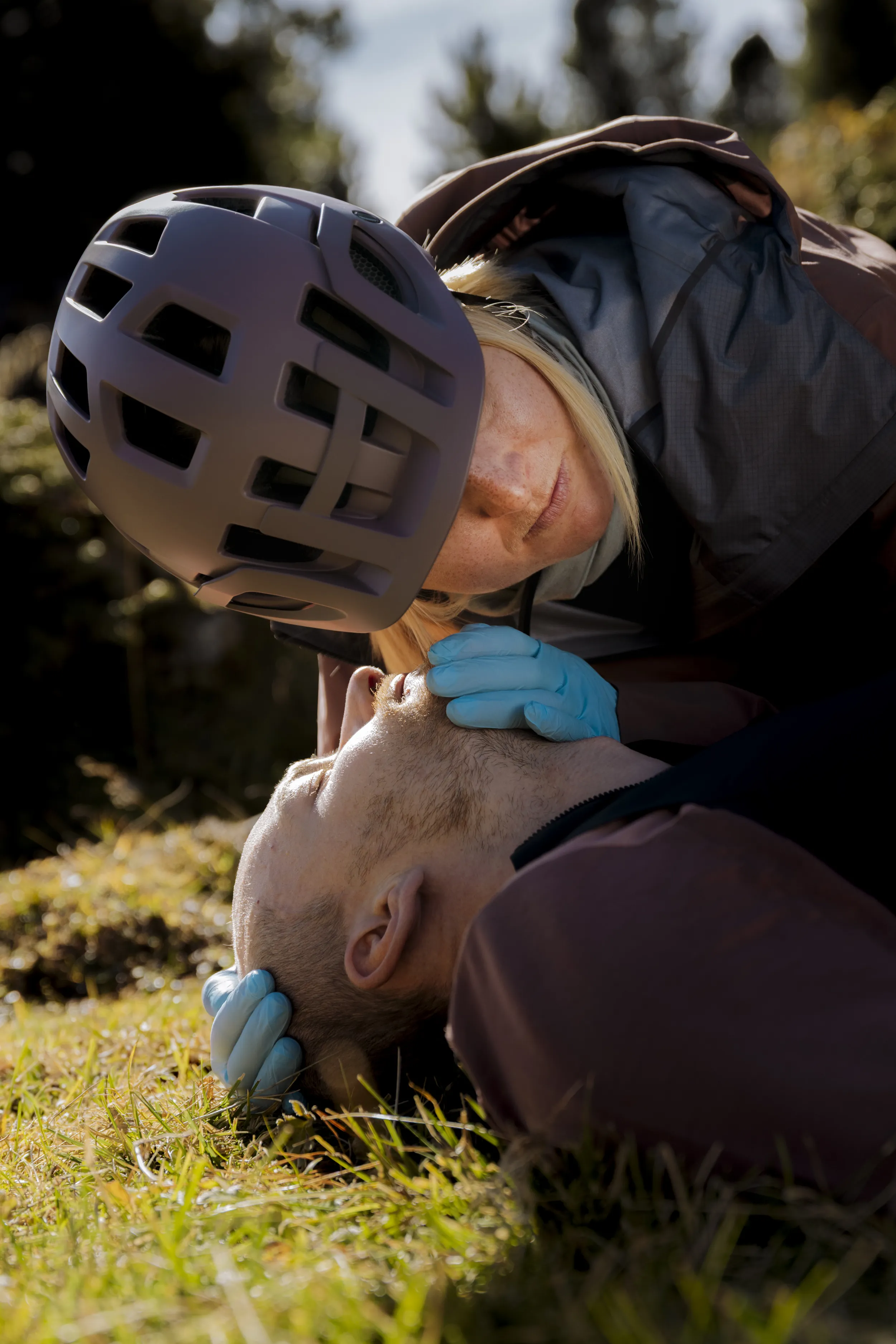
Breathing should not be checked for longer than 10 seconds. One exception to this rule is for avalanche victims, where breathing checks may be a little longer. If they are not breathing or are breathing very infrequently/irregularly or are gasping for air, you must begin resuscitation.
Please note: Any severe bleeding must be stopped immediately and is the number one priority, even before checking their breathing!
Recovery position
Unresponsive and breathing normally
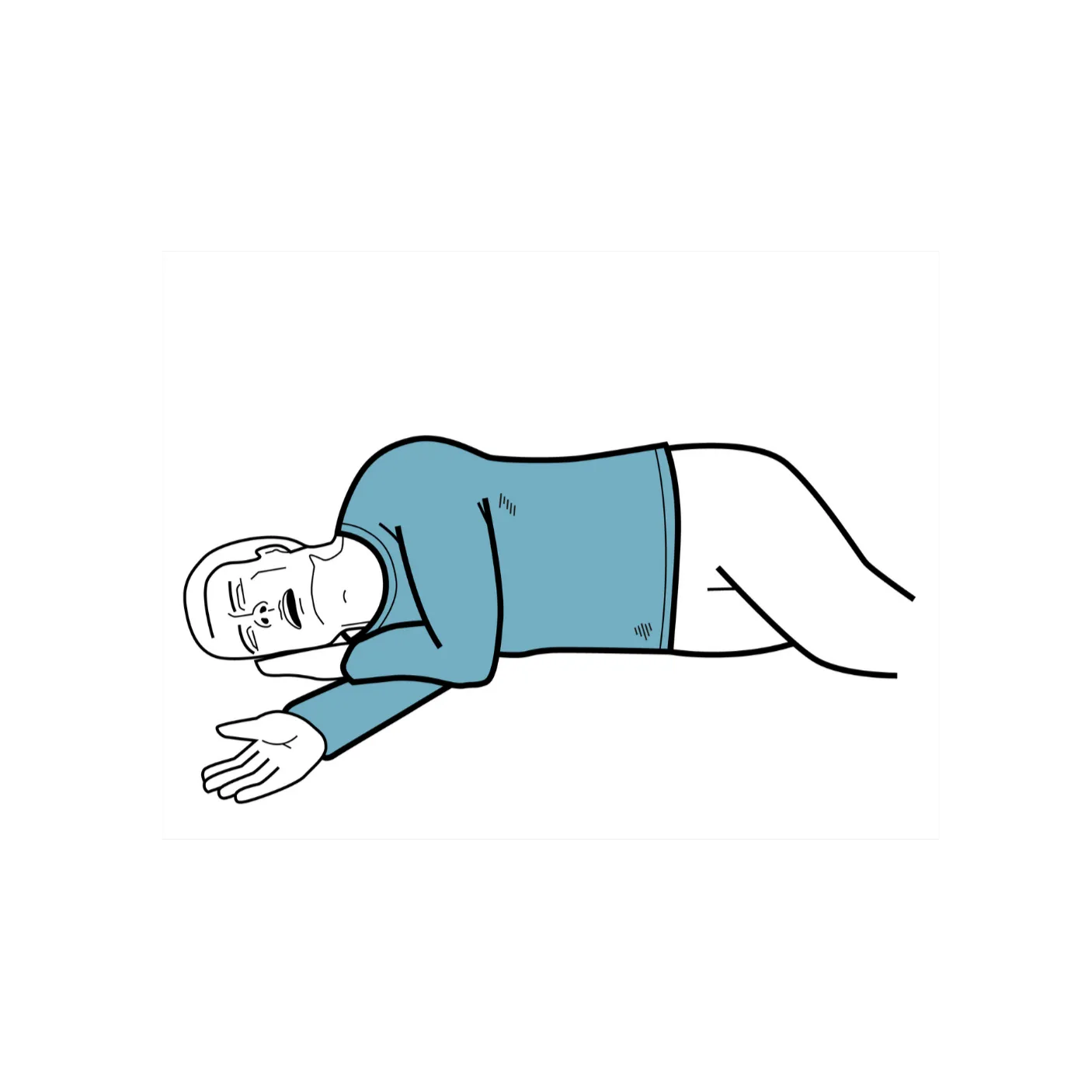
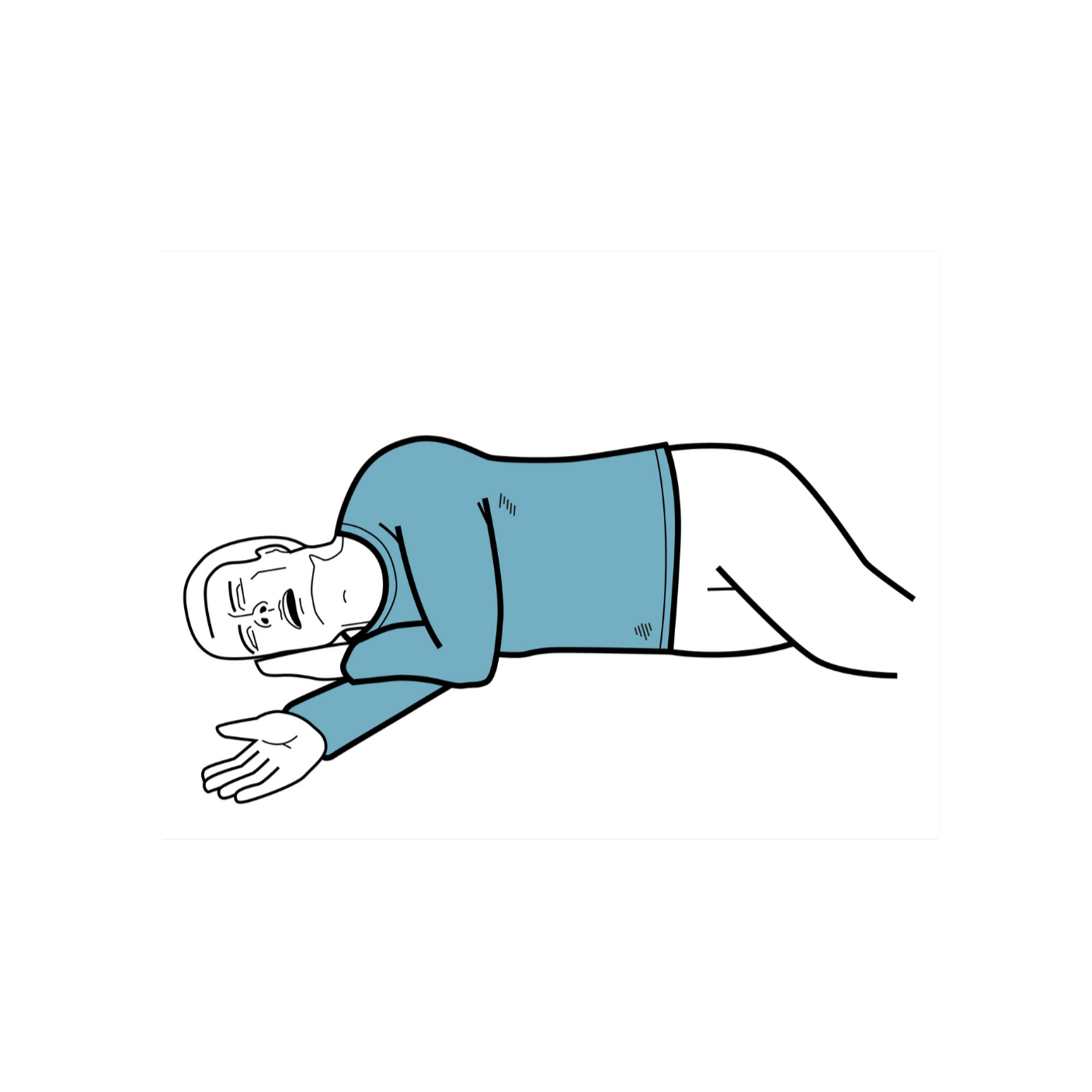
Stable recovery position – step by step
1. Kneel down on the valley side of the unconscious person.
2. Place the arm closest to you at a 90° angle.
3. Bend the opposite leg at the knee and hold it in place.
4. Take the opposite hand, place the back of the hand on the cheek facing you, and hold it there.
5. Turn the person over the knee toward you in a controlled manner.
6. Carefully pull your hand out from under the person’s head – they are now resting on the back of their own hand.
7. Tilt their head backward.
8. Open their mouth slightly – it should be lower than their stomach, so that blood or vomit can run out. (This is especially important in alpine terrain!)
9. Wrap the person up warm and speak to them in a soothing voice.
Even when the person is in the recovery position: You should still check their breath ing regularly – at least every 20 seconds! Respiratory arrest can occur at any time.
Resuscitation
If you find someone who is unresponsive, you must always make an emergency call. If the person is not breathing normally, this is to be immediately followed by cardiopulmonary resuscitation (CPR) to ensure the brain is supplied with oxygen. Cardiopulmonary resuscitation refers to a combination of chest compressions and mouth-to-mouth in a ratio of 30 : 2.
Chest compressions and artificial respiration
1. Kneel down next to the unconscious person at chest level and expose their upper body.
2. Place the heel of one hand on the center of their chest (lower half of the sternum). Place your other hand on top of it. Position your shoulders vertically above your hands, with your arms outstretched.
3. Press down on the chest with your body weight to a depth of 5–6 cm, pressing firmly and quickly! After each compression, release the pressure on the chest completely.
4. Repeat the chest compressions at a rate of 100–120 times per minute (almost twice a second).
5. After 30 chest compressions, give mouth-to-mouth twice: Close the nose with one hand while placing the other on the person’s chin and tilting their head backward. Breathe in normally and then place your lips around the accident victim’s mouth and breathe out normally.
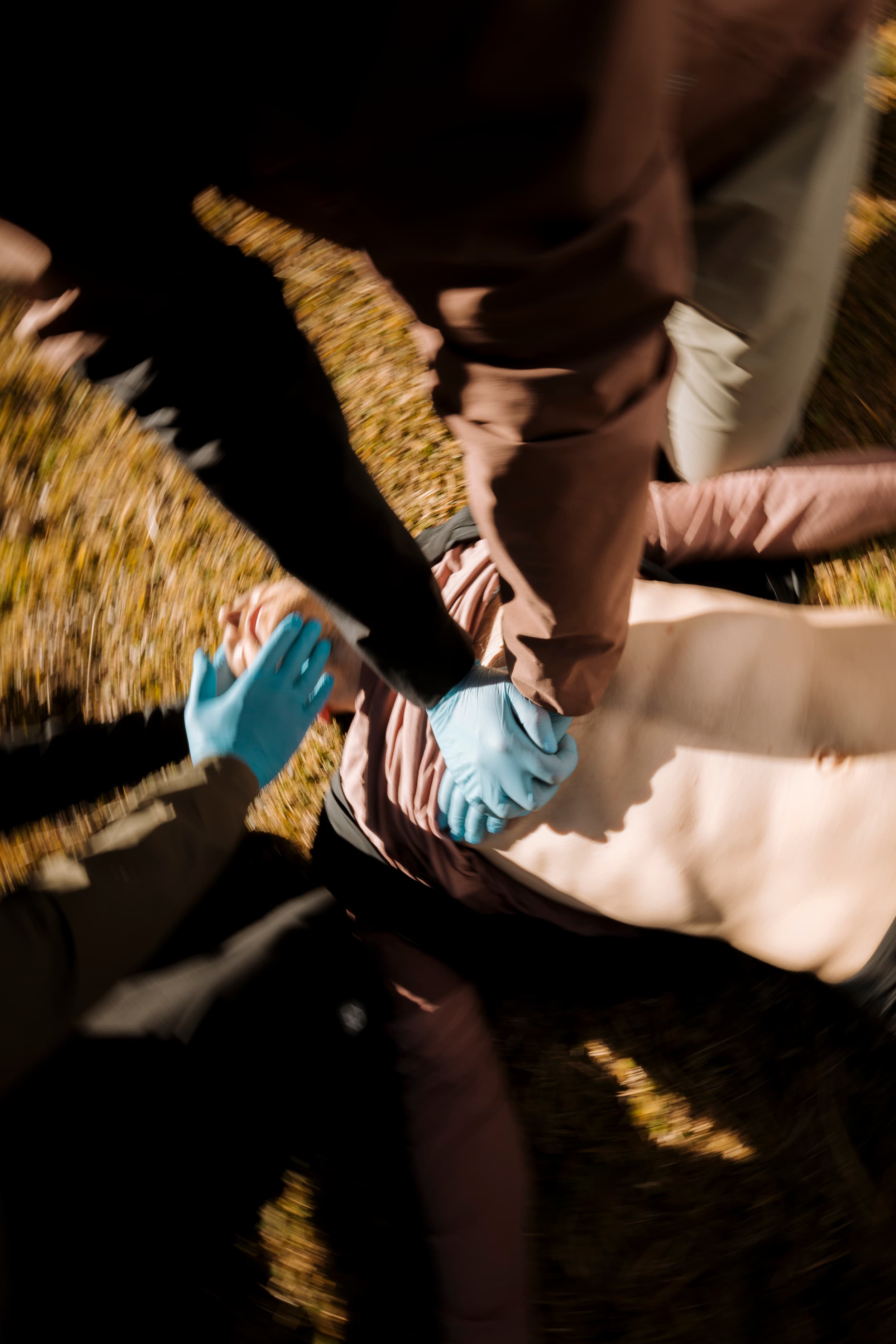
Perform chest compressions and mouth-to-mouth in a ratio of 30:2 until professional help (mountain rescue / emergency doctor) has arrived or you are exhausted.
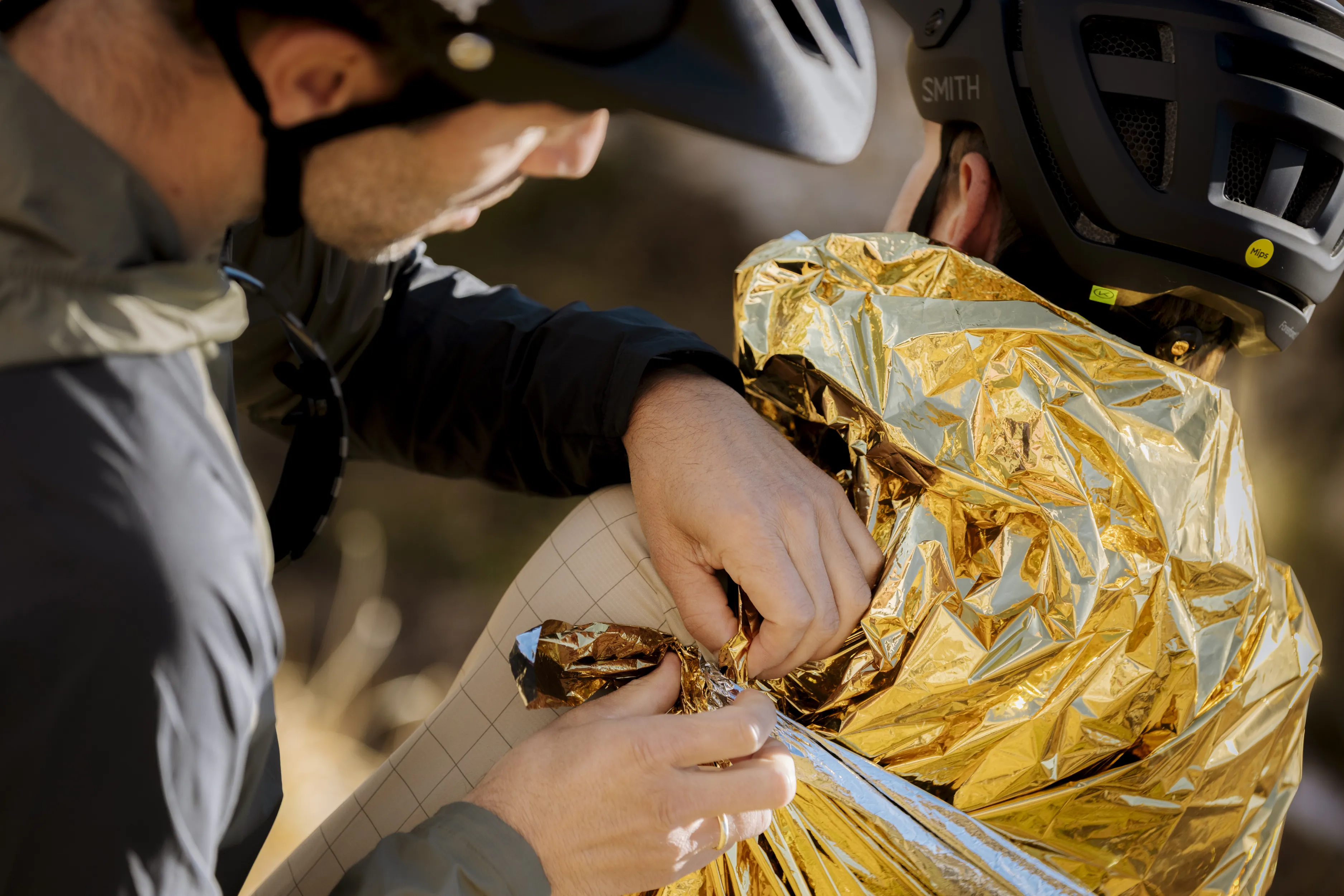
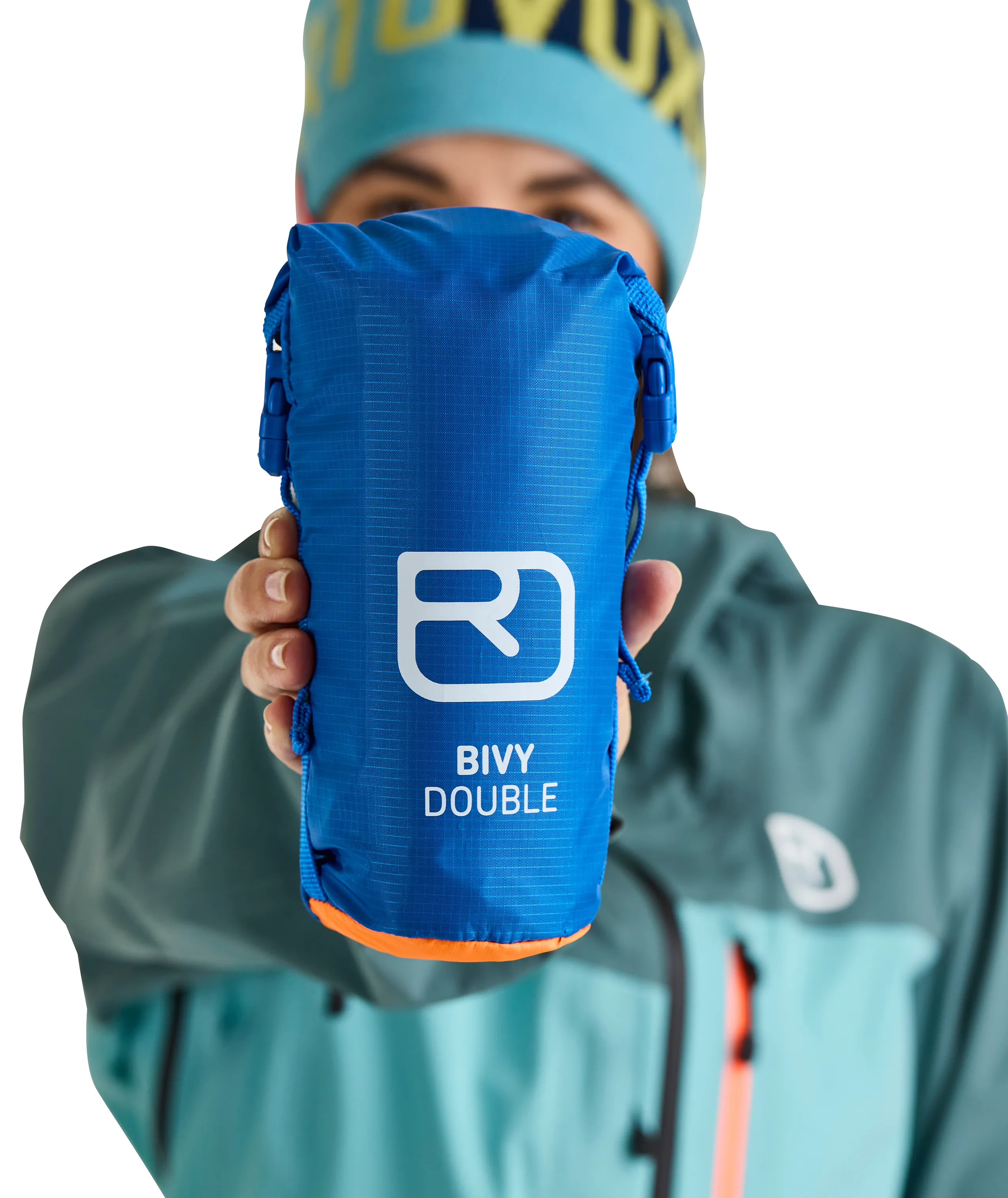
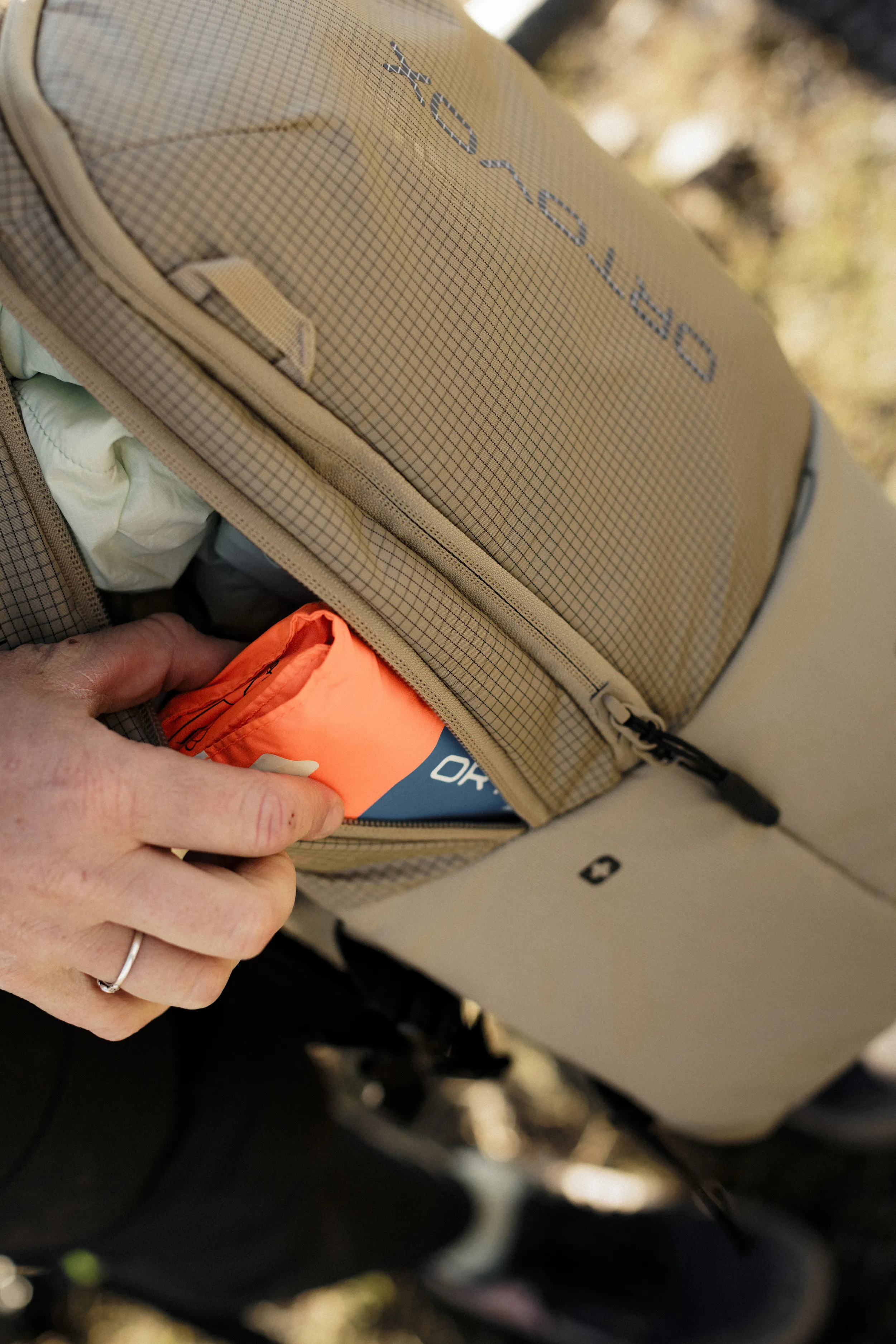
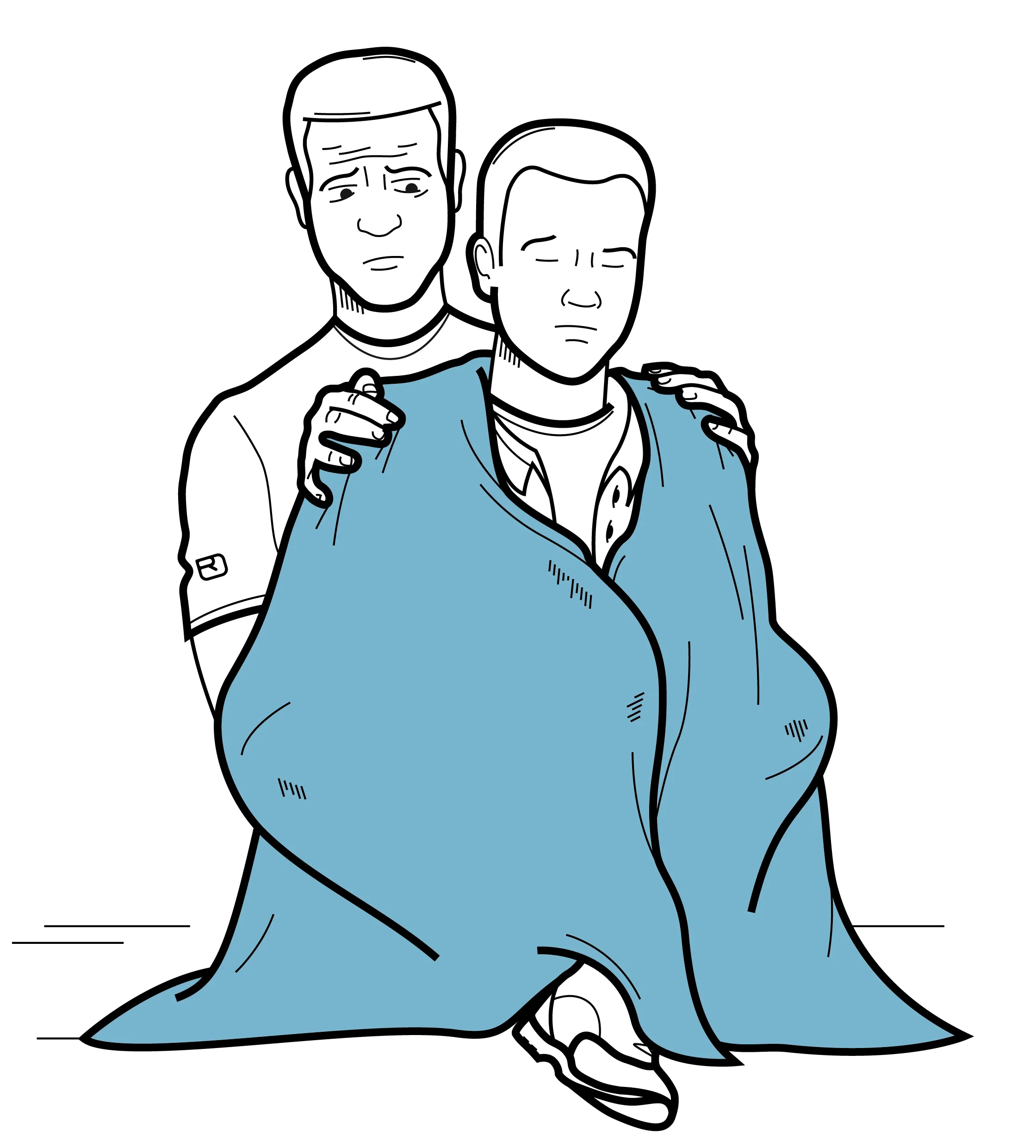
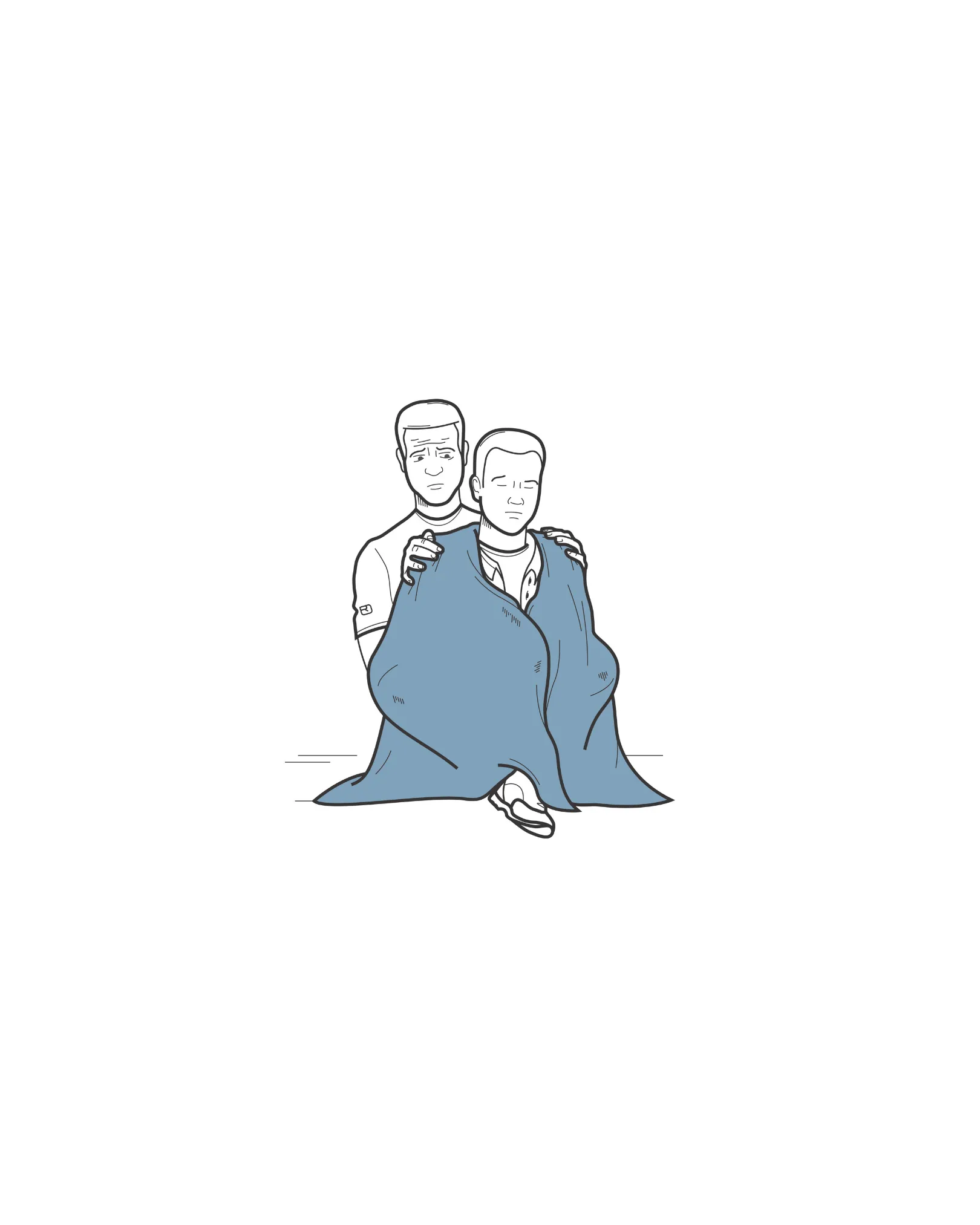
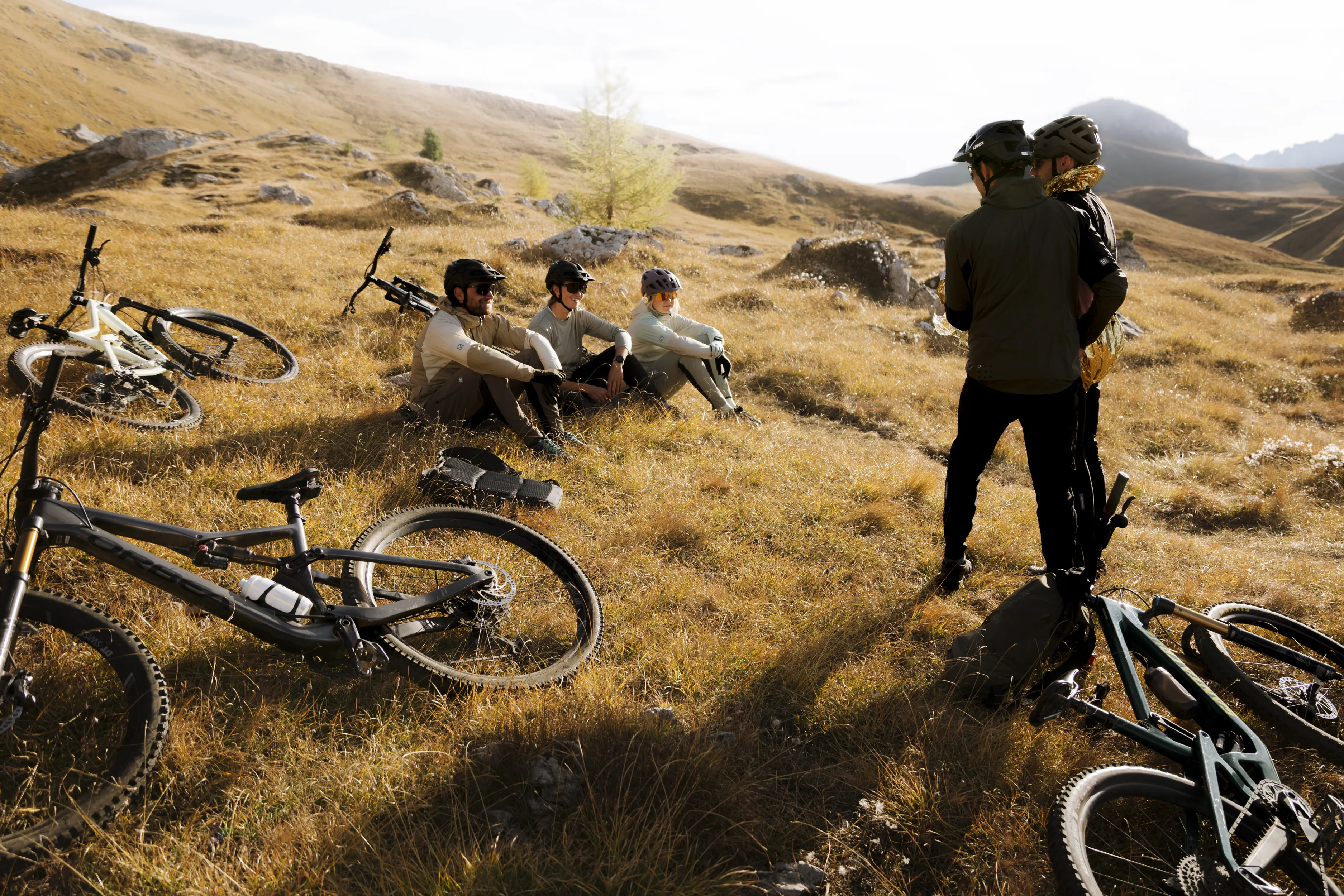
Very important: Heat management must begin early, even before the injured person feels cold. First aid materials cannot restore lost body heat. A rescue blanket reflects heat, but does not generate any itself. Therefore, it is essential to prevent the person cooling down as soon as possible!
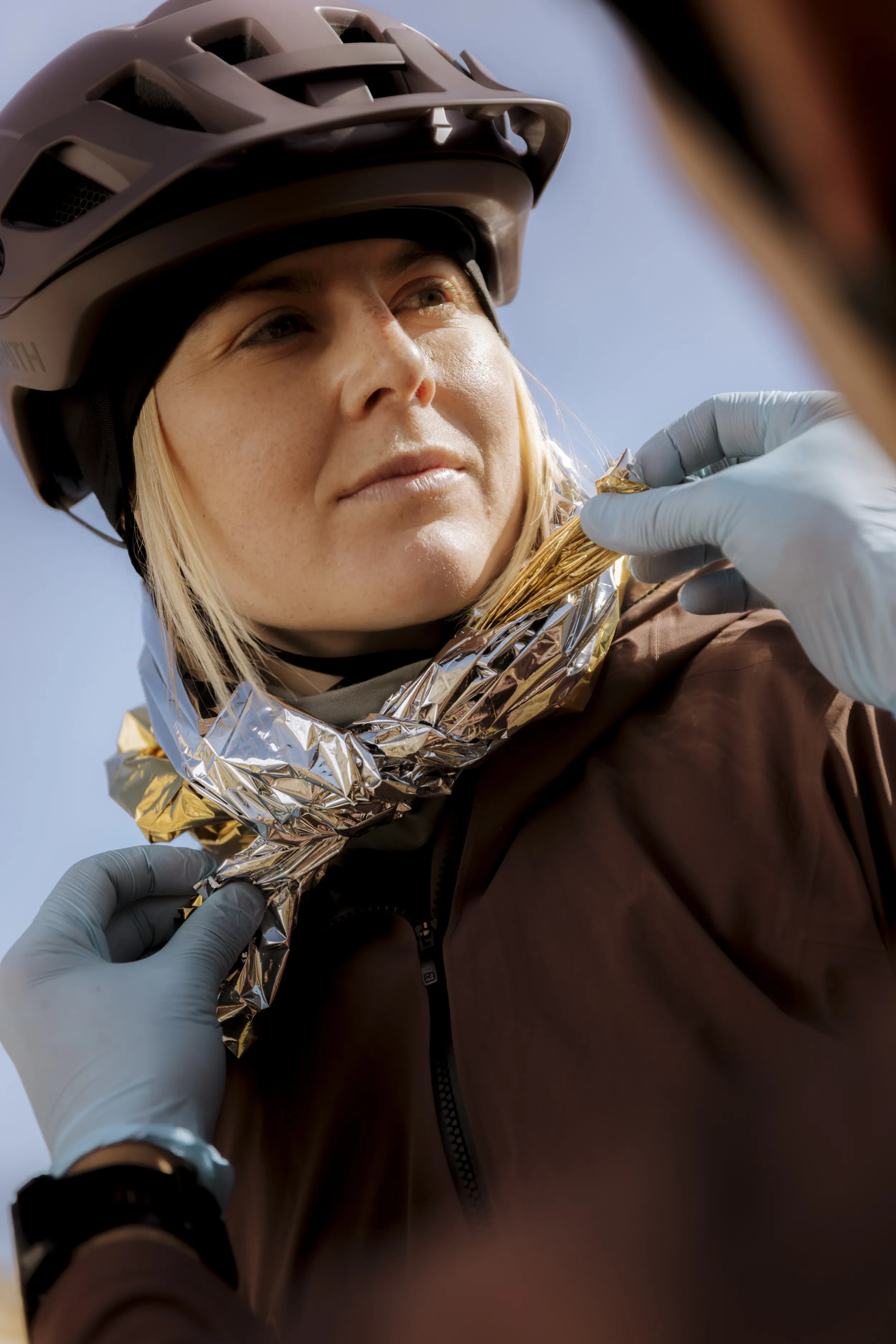
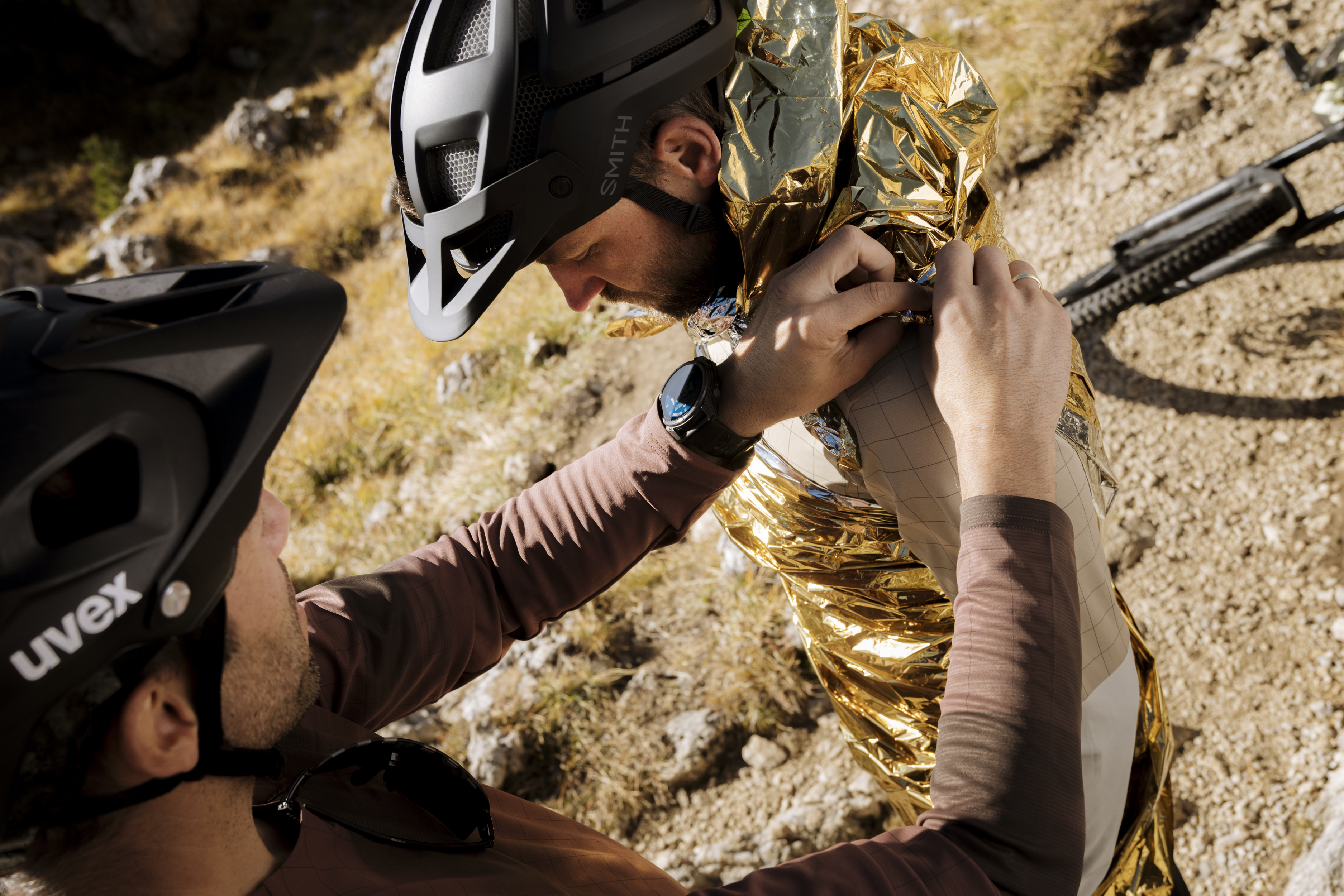
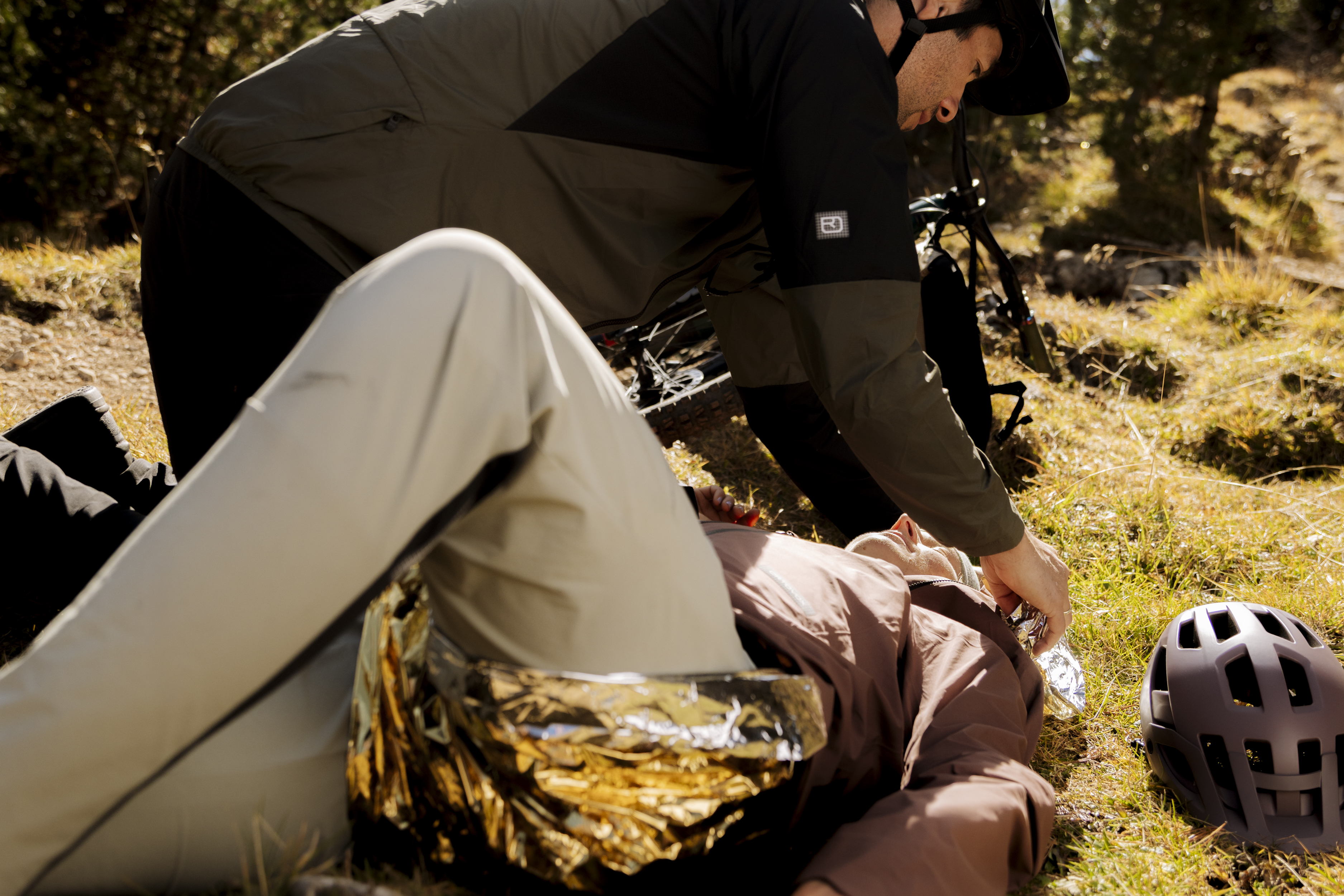
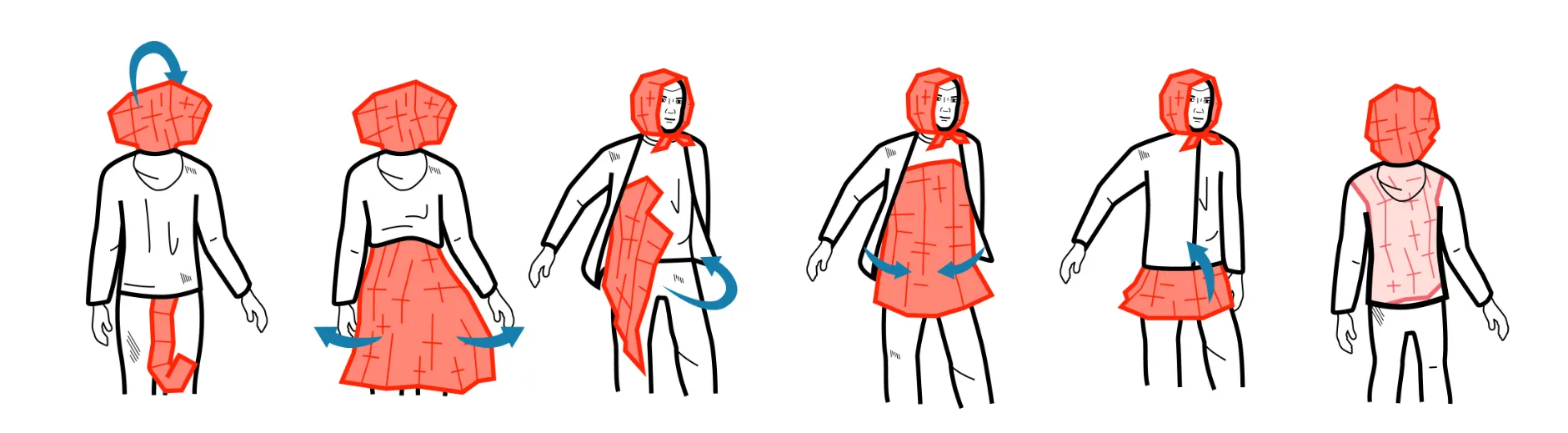
Wrap technique
The wrap technique allows you to cover the entire upper body with a rescue blanket. This technique also works very well if the victim is not wearing a jacket. The disadvantage is that applying the wrap tech nique while the injured person is lying down requires practice, and opening the jacket during application may cause the in jured person to lose body heat.
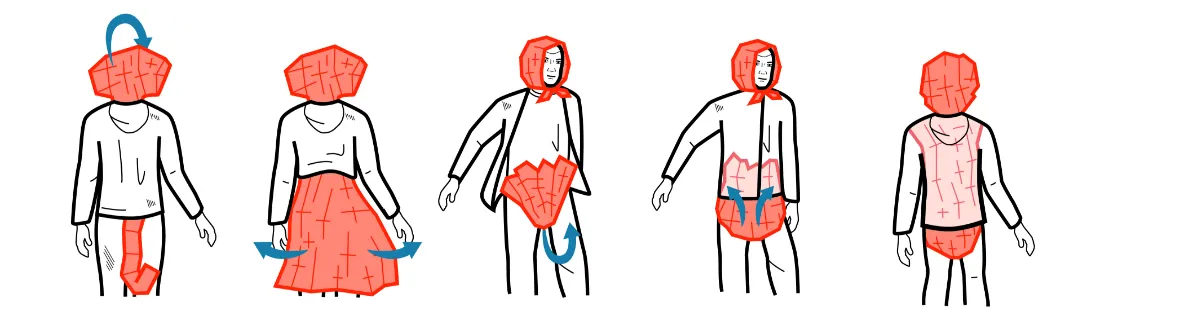
Diaper technique
The diaper technique can be used very easily when the in jured person is either standing or lying down, without having to open the jacket. For tall people, this may not provide optimal protection to the front of the upper body.
As a general rule: It is not always necessary to remove the helmet immediately. However, if the situation allows, it may be advisable to open the chin strap to enable the person to breathe more easily. A particularly important point to remember when mountain biking is to check helmets for damage after serious falls before continuing. A damaged helmet must be replaced immediately, as it no longer provides adequate protection. Damage to the helmet is also an indication of high impact energy involving the head – and therefore a signal to more closely monitor the person who has fallen.
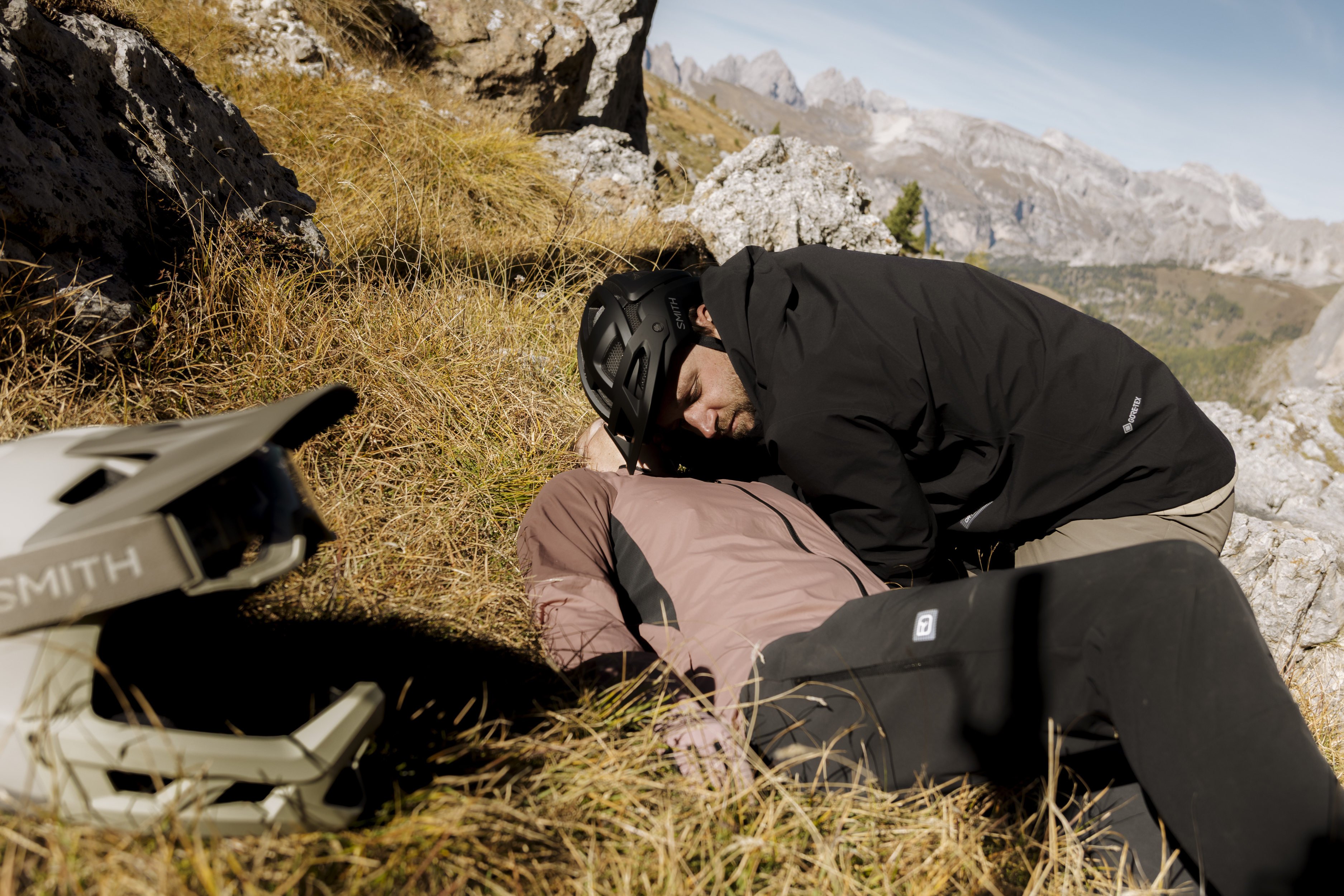
As the head cannot be sufficiently tilted back when wearing a helmet, the helmet must always be removed when performing the following first aid measures:
1. Checking breathing
2. Recovery position – securing the airways
3. Resuscitation
Tip: Ask the injured person to remove their helmet themselves. This will already give you valuable indicators about their condition:
→ If they can do this without a problem, this indicates sufficient coordination and freedom of movement.
→ If they show any limitations, mobility or motor control may be impaired.
If possible, you should always remove the helmet using the two-person method.
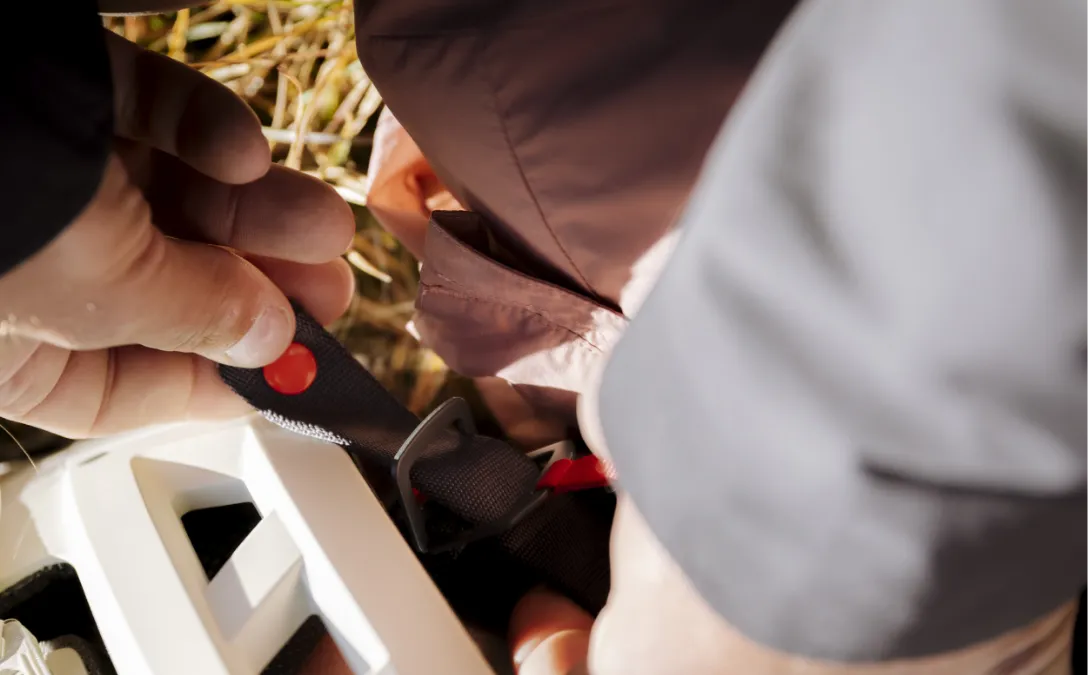
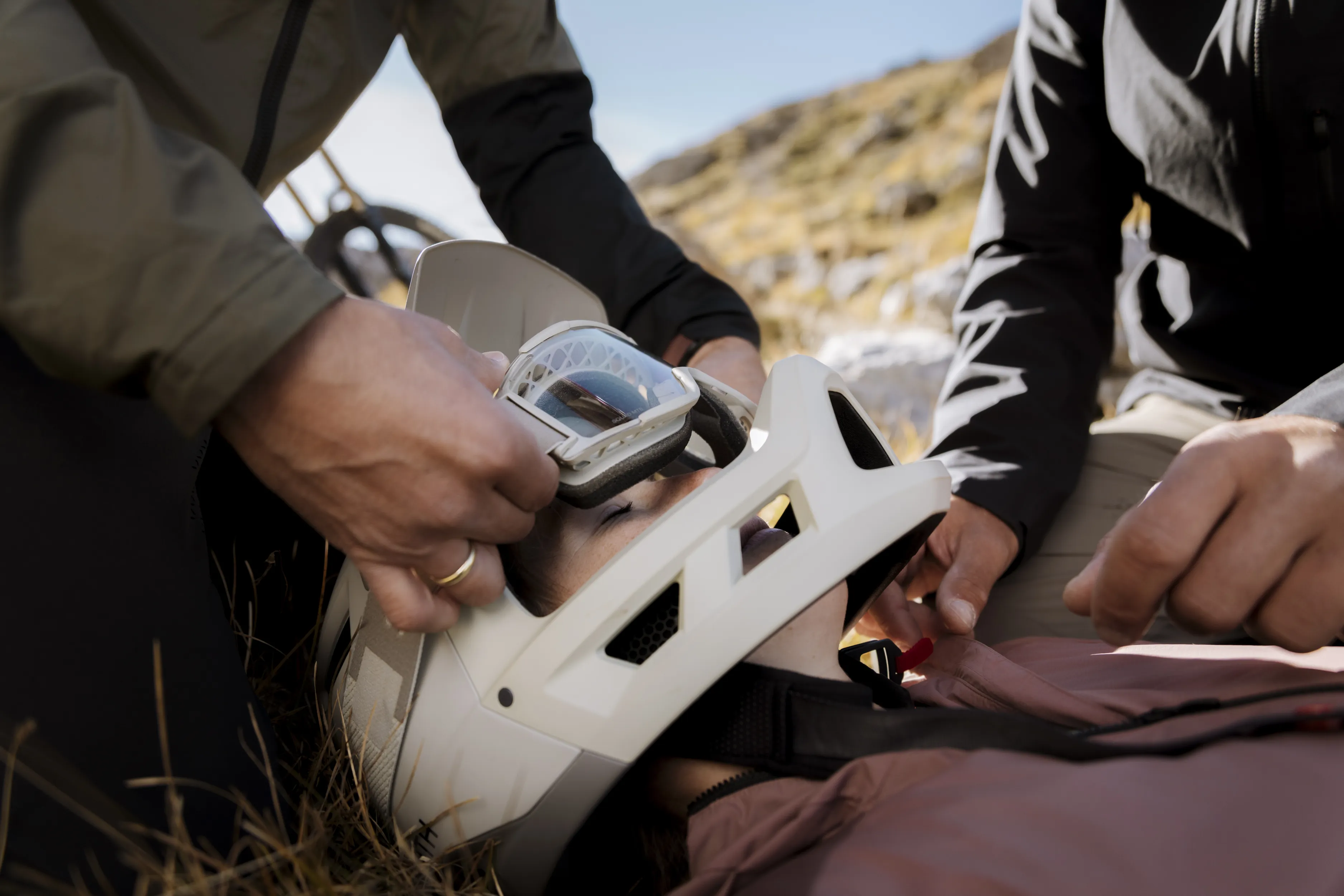
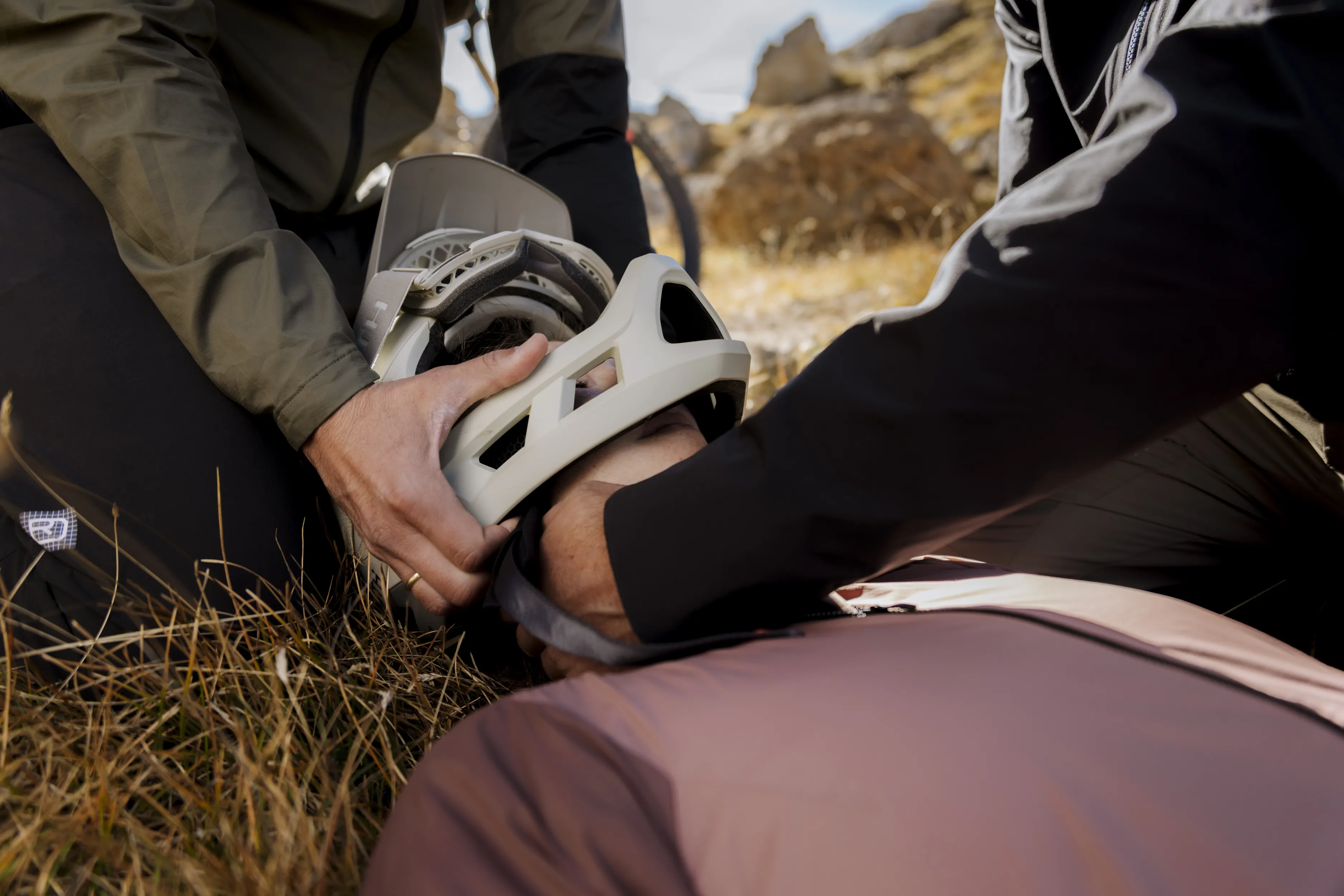
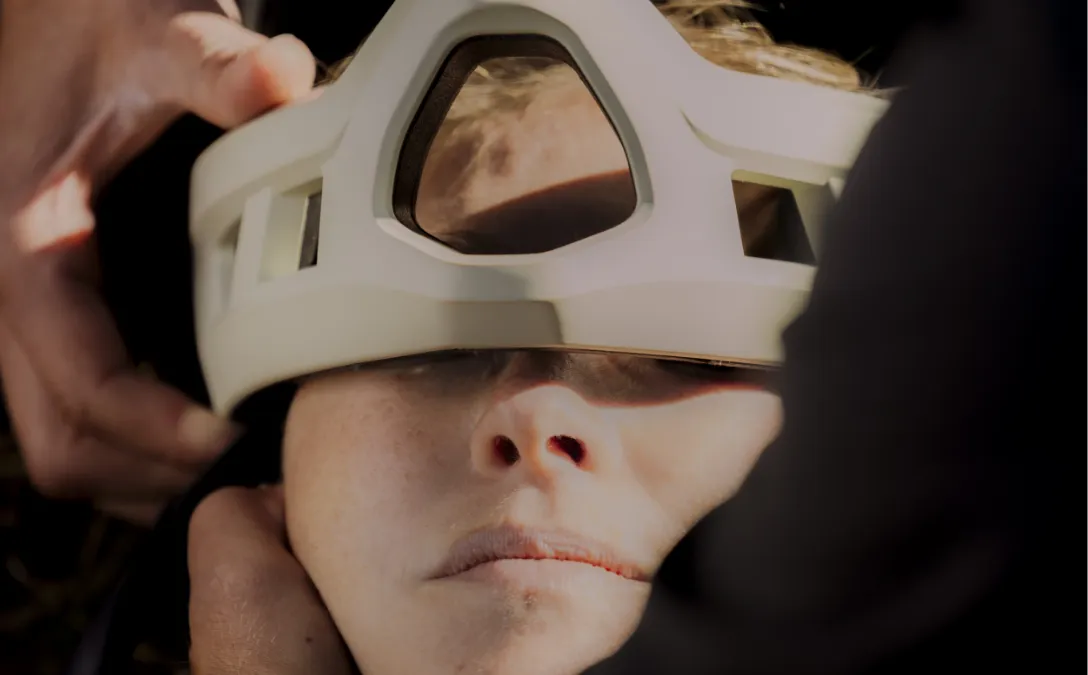
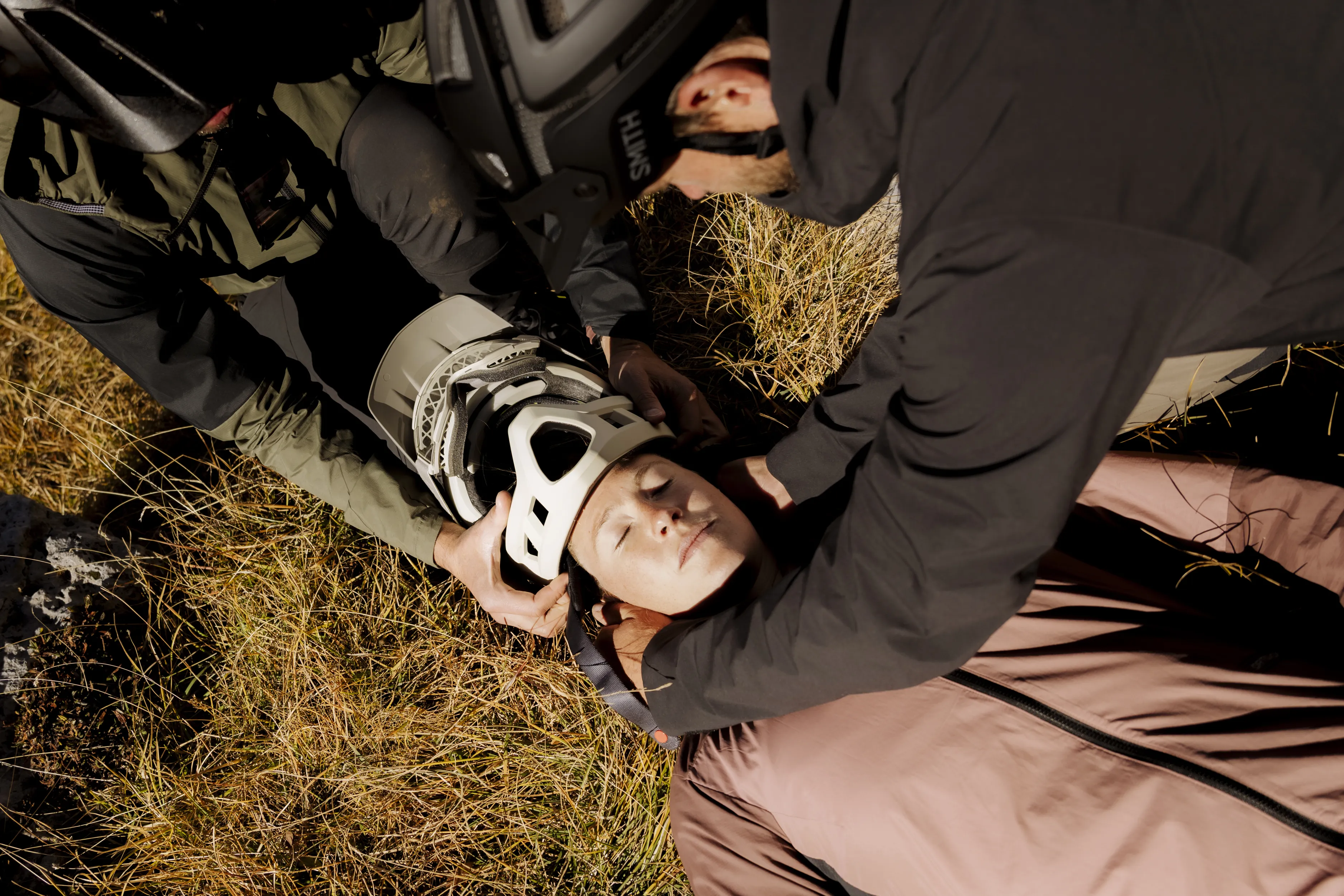
A possible spinal injury cannot be aggravated by carefully removing the helmet!
For unresponsive persons, it is already considered a life-saving measure and must be performed in all cases, regardless of the type of injury!
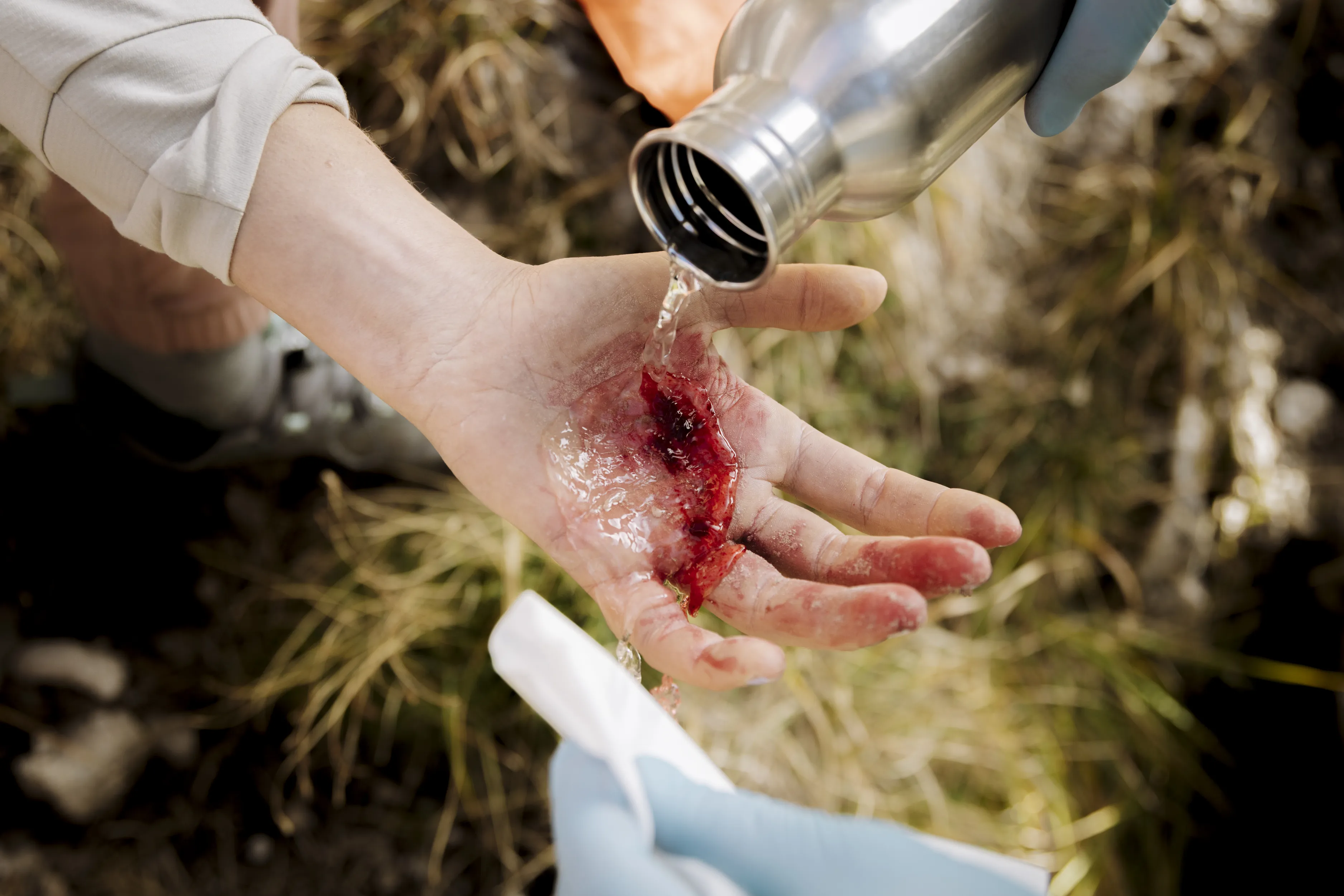
Remember these three important points:
1. Time window for stitching
Wounds that require stitches must be treated by a doctor within 6 hours – the sooner, the better! After this time the edges of the wound have healed to such an extent that simple stitching is no longer possible.
2. Watch out for hidden injuries
A wound can appear to be purely external – e.g., a head laceration. However, it may also be an indication of traumatic brain injury. So look out for other signs! If severe symptoms occur, stop the tour and make an emergency call.
3. Remove foreign objects and disinfect the wound
Disinfecting the wound and removing small foreign objects requires the appropriate expertise. In the event of impalement injuries, i.e. objects stuck in the body, these must not be removed by the first responder under any circumstances. Instead, they must be stabilized and covered as cleanly as possible. Seek professional advice in advance on the use of disinfectants.
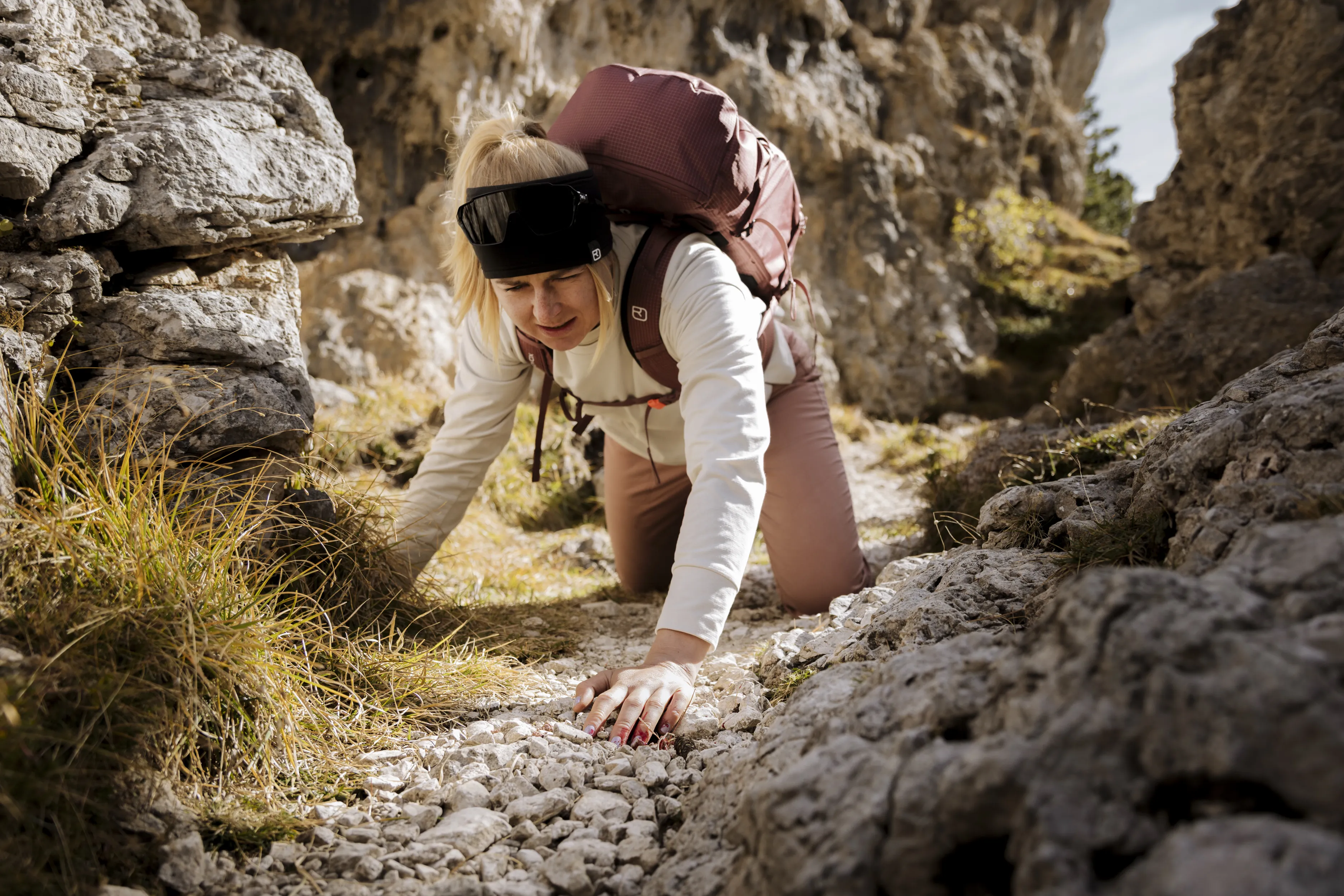
Please note: Depending on the country, removing foreign objects from an injured person’s wound – even small stones – and using disinfectants, ointments, tinctures, sprays, etc. may be permitted only for medical professionals and prohibited for first responders.
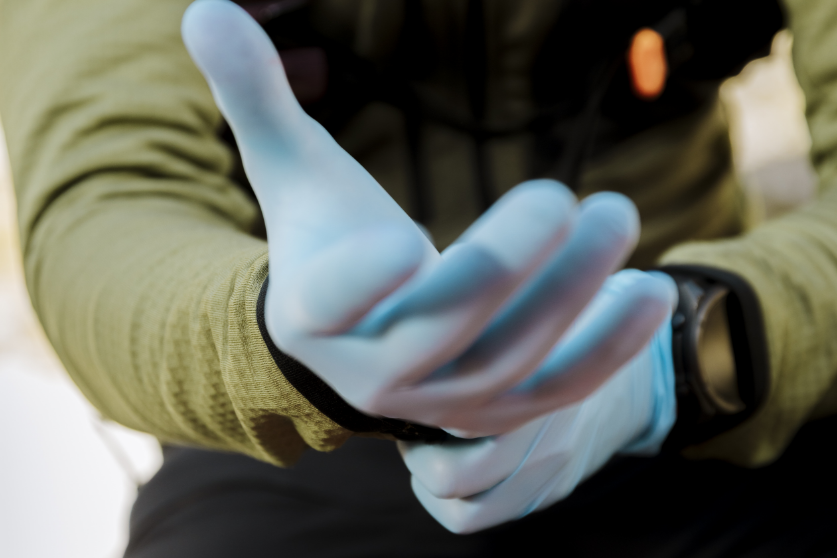
1. Self-protection / assess bleeding
Self-protection is your number one priority. Even if the wound isn’t bleeding very heavily, always put on disposable gloves! A distinction is to be made between light and heavy bleeding. Heavy bleeding (constant or pulsing) is life-threatening and must be bandaged IMMEDIATELY. A regular dressing is not enough in this case. You will need a pressure dressing.
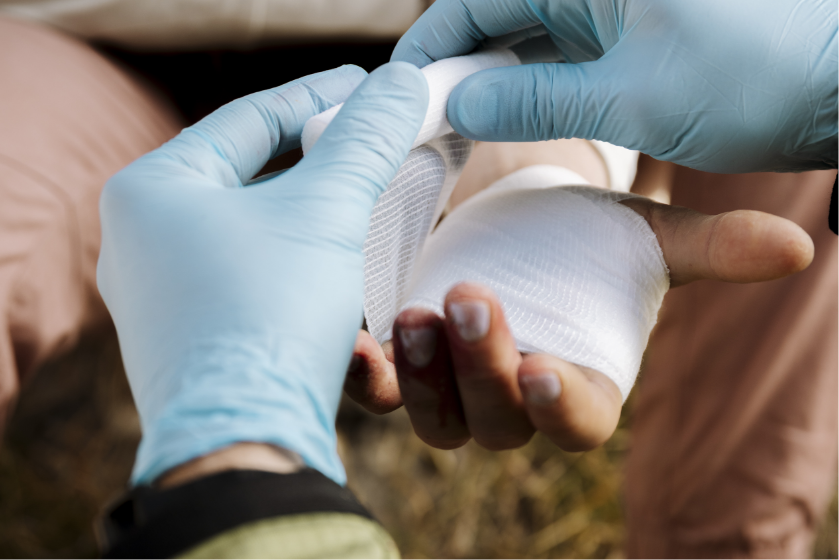
2. Bandage the wound
If a lightly bleeding wound is dirty, clean the sur face with a compress dressing or wash it out with clean water. Then place a different sterile compress directly onto the wound and bind it using a gauze bandage and tape. As it is often difficult to fix bandages to the head because of hair or the head shape, you need to first make two horizontal wraps over the wound, then two vertical loops around the chin and head to secure the dressing, then once more horizontally.
.png?ts=1773404537 "Design ohne Titel (4)")
3. Be careful when using wound closure strips
Wound closure strips are ideal for treating gaping cuts and lacerations. To do this, the edges of the wound must be dry and clean. Then press the edges of the wound together and tape perpendicular to the direction of the cut. After closing the wound, it is essential to consult a doctor (<6 hours), as proper follow-up treatment is mandatory. Only by doing so can painful inflammation or even life-threatening blood poisoning be avoided.
You must see a doctor if a wound does not start to heal in the days after the injury, but instead the edges start to get red, feel hot or swell up.
Treat external injuries
Any parts of the body can be injured as a result of a fall, collision against a rockface or due to falling rocks – anything from the head and arms to the back, chest, abdomen, and feet. Possible injuries include strained or torn ligaments, fractures and damaged muscles or blood vessels.
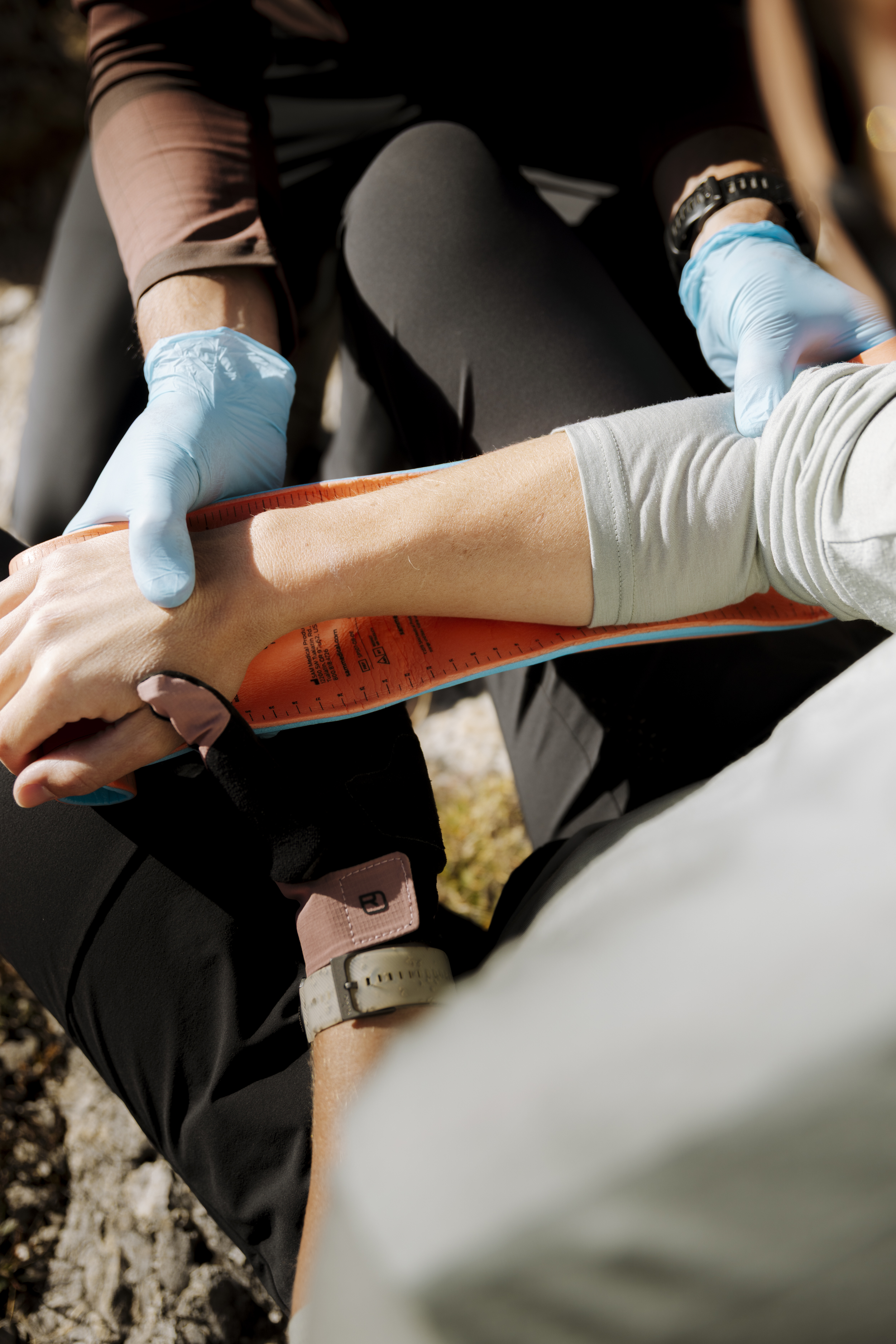
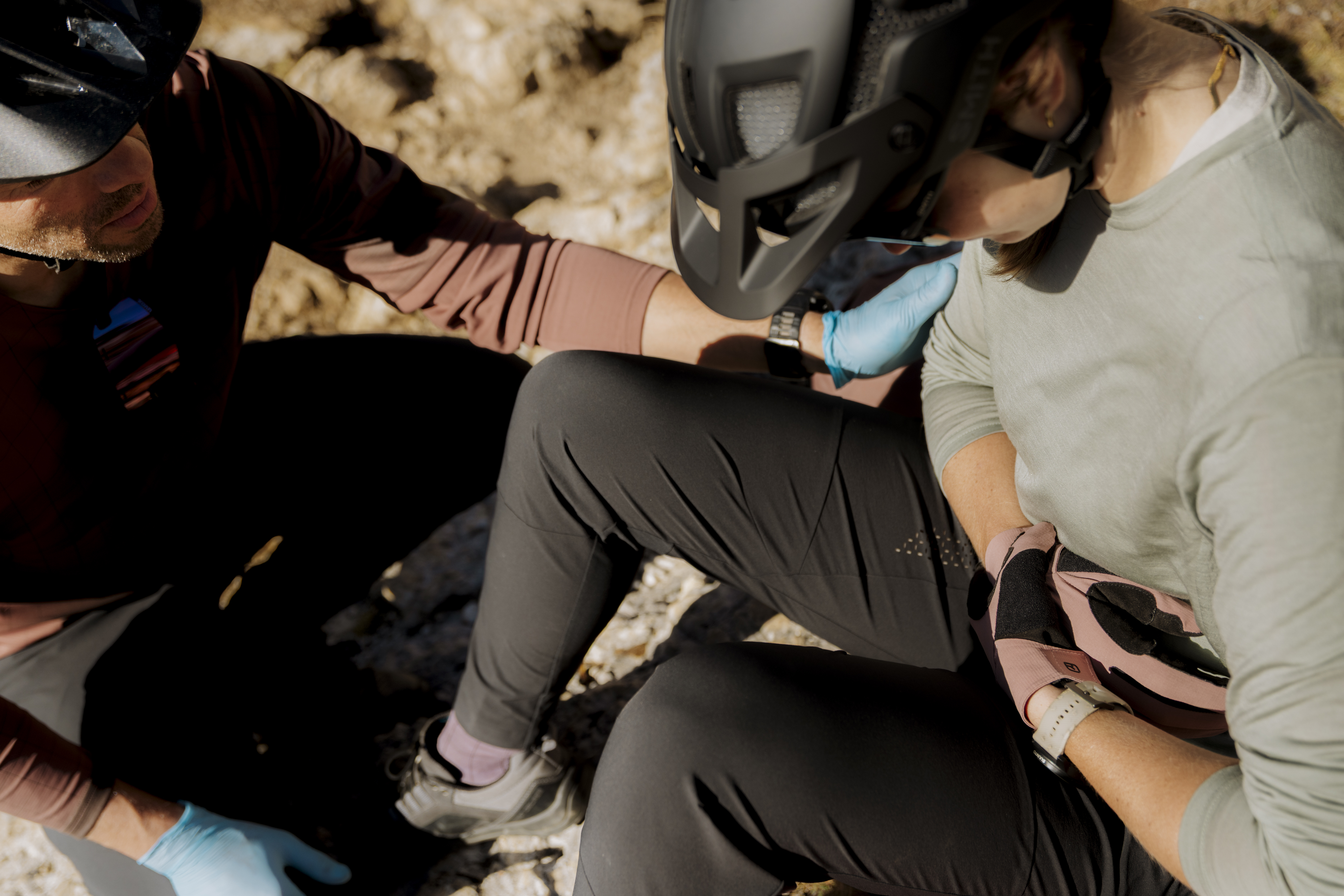
Broken wrist
When mountaineering or mountain biking, a fall or impact can easily lead to a broken arm or wrist. Such fractures are very painful.
This means the tour is over and a decision must be made as to whether to alert the rescue services or descend independently.
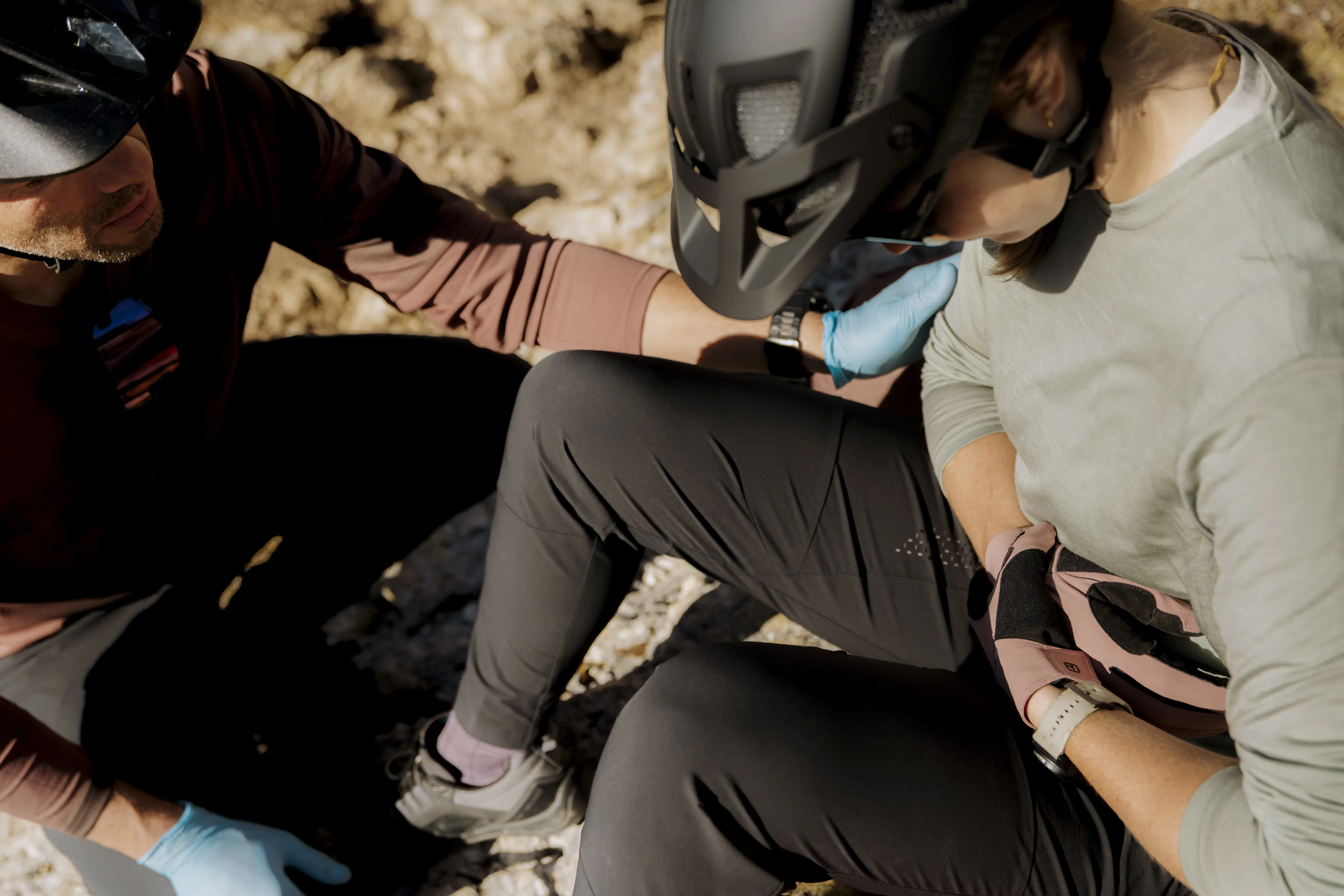
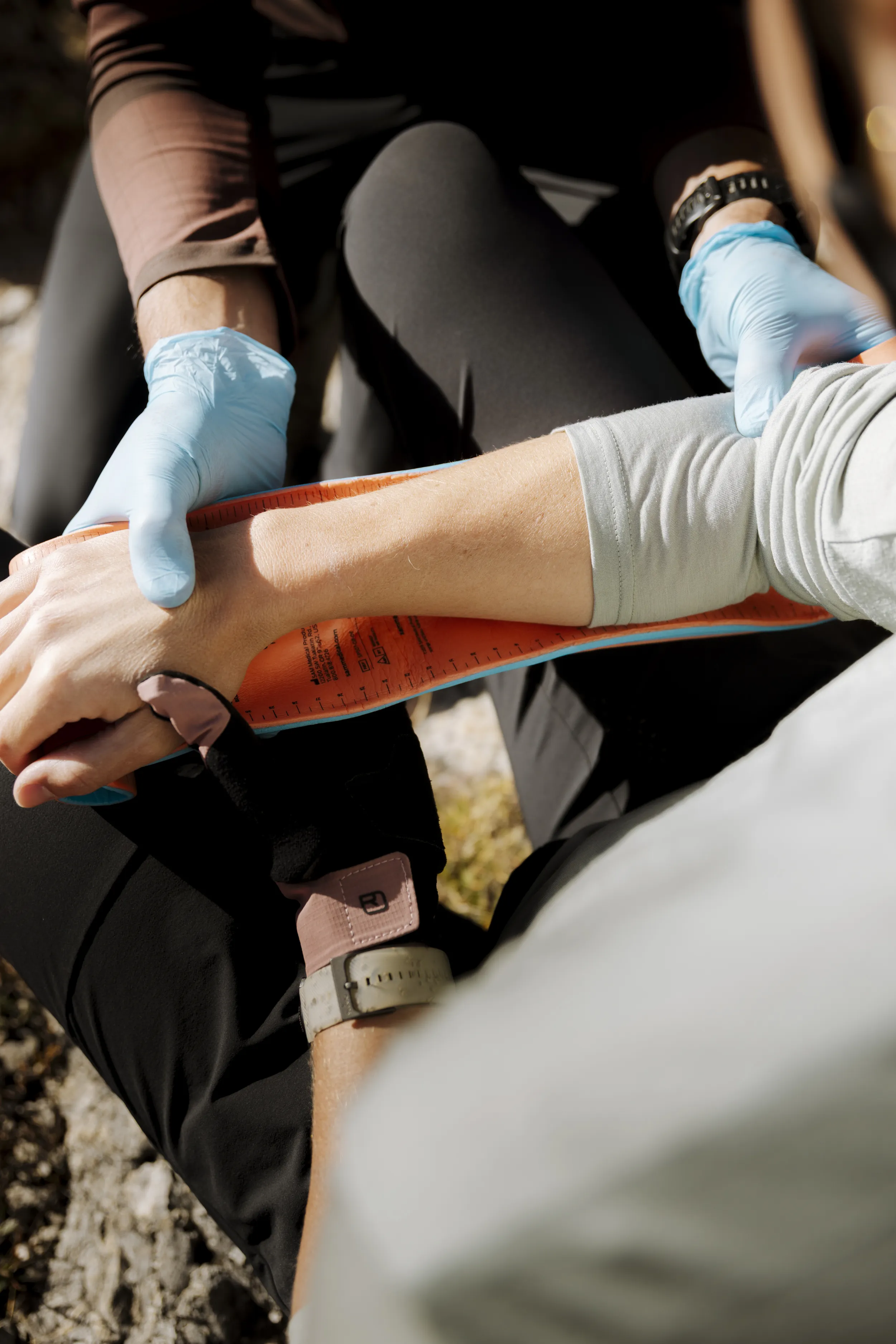
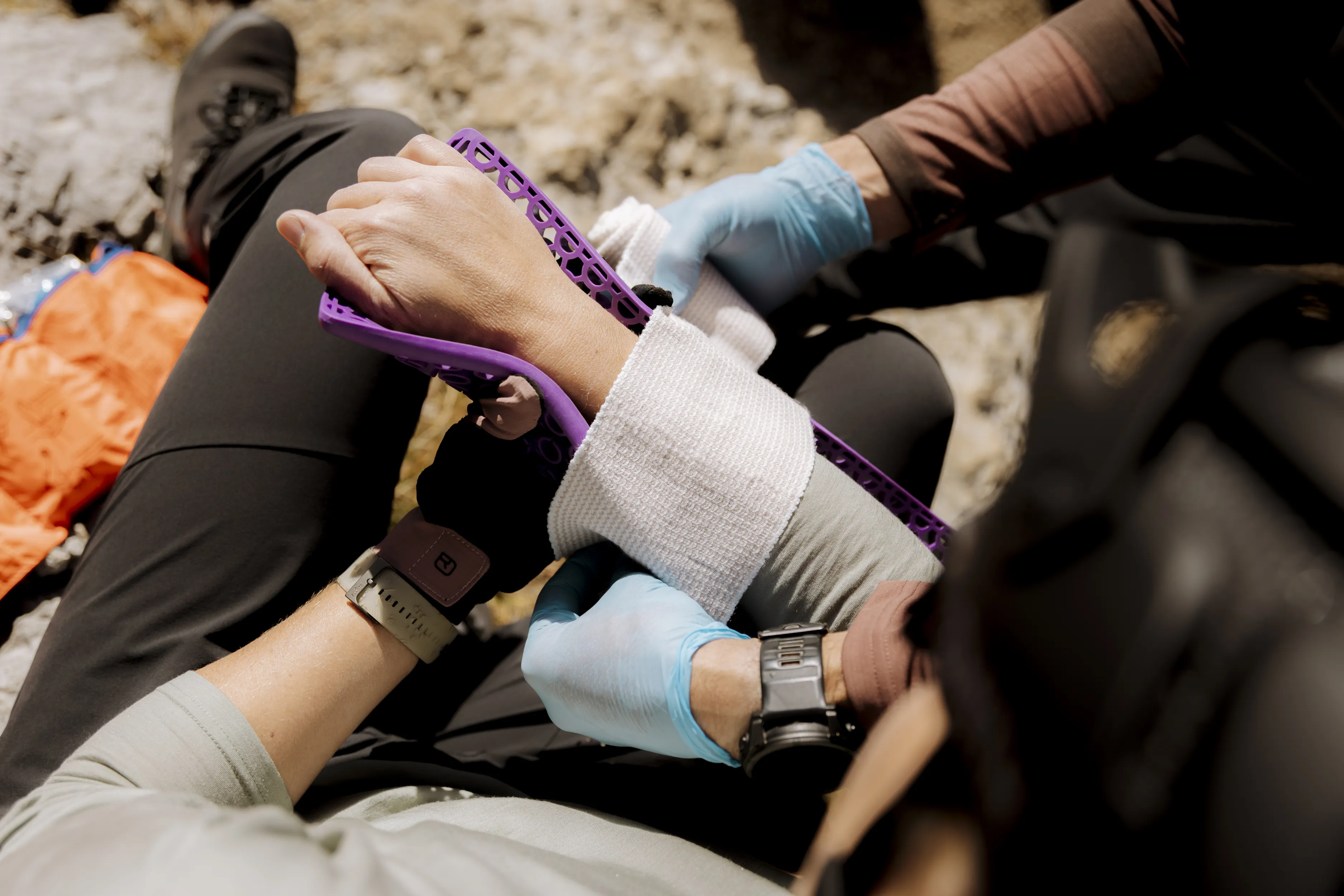
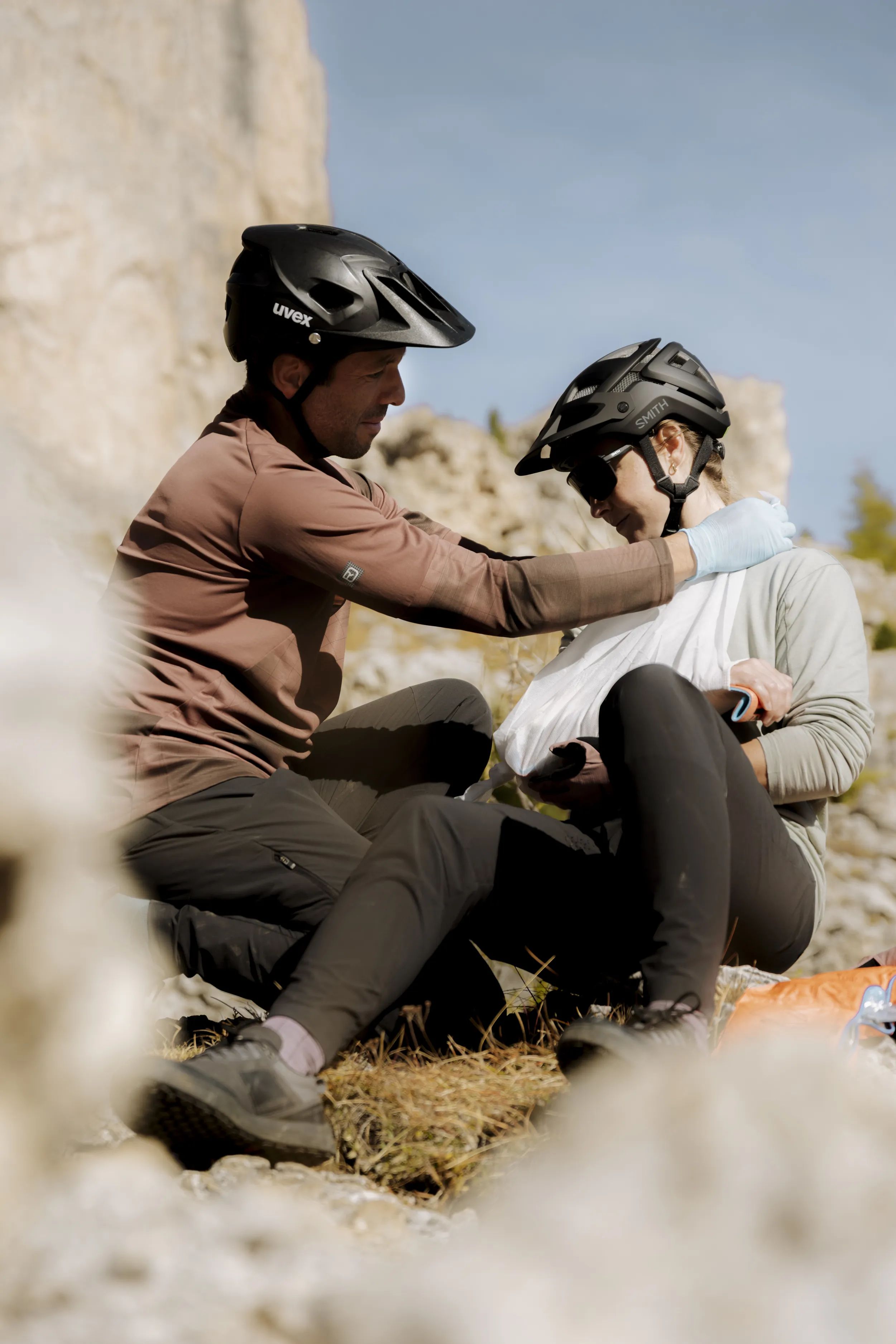
Beware: If the arm or wrist looks very much out of place, no attempt should be made to straighten it. Only a doctor should do this due to the complexity and to avoid causing damage! It will also be almost impossible to attach a splint.
Rib injury
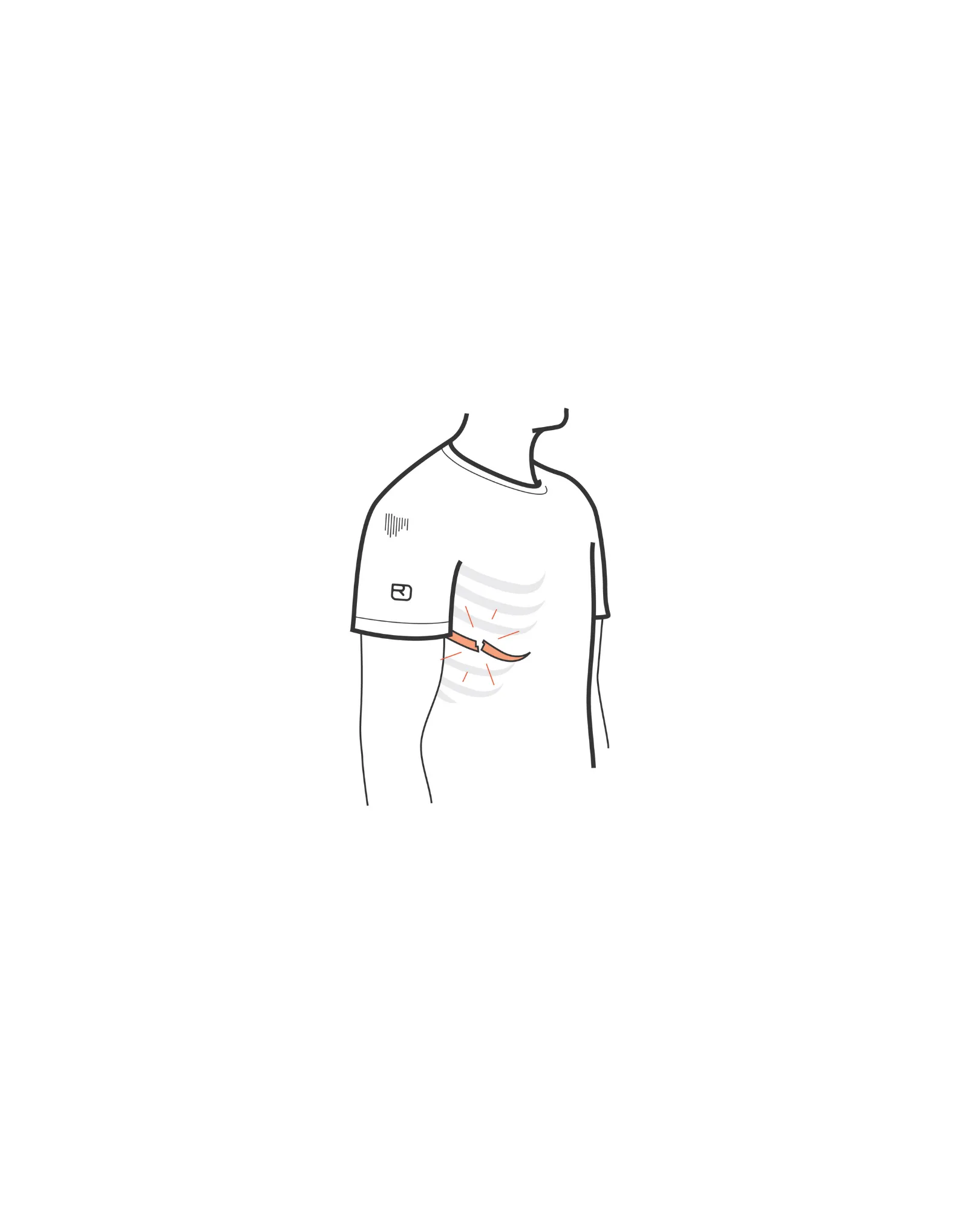
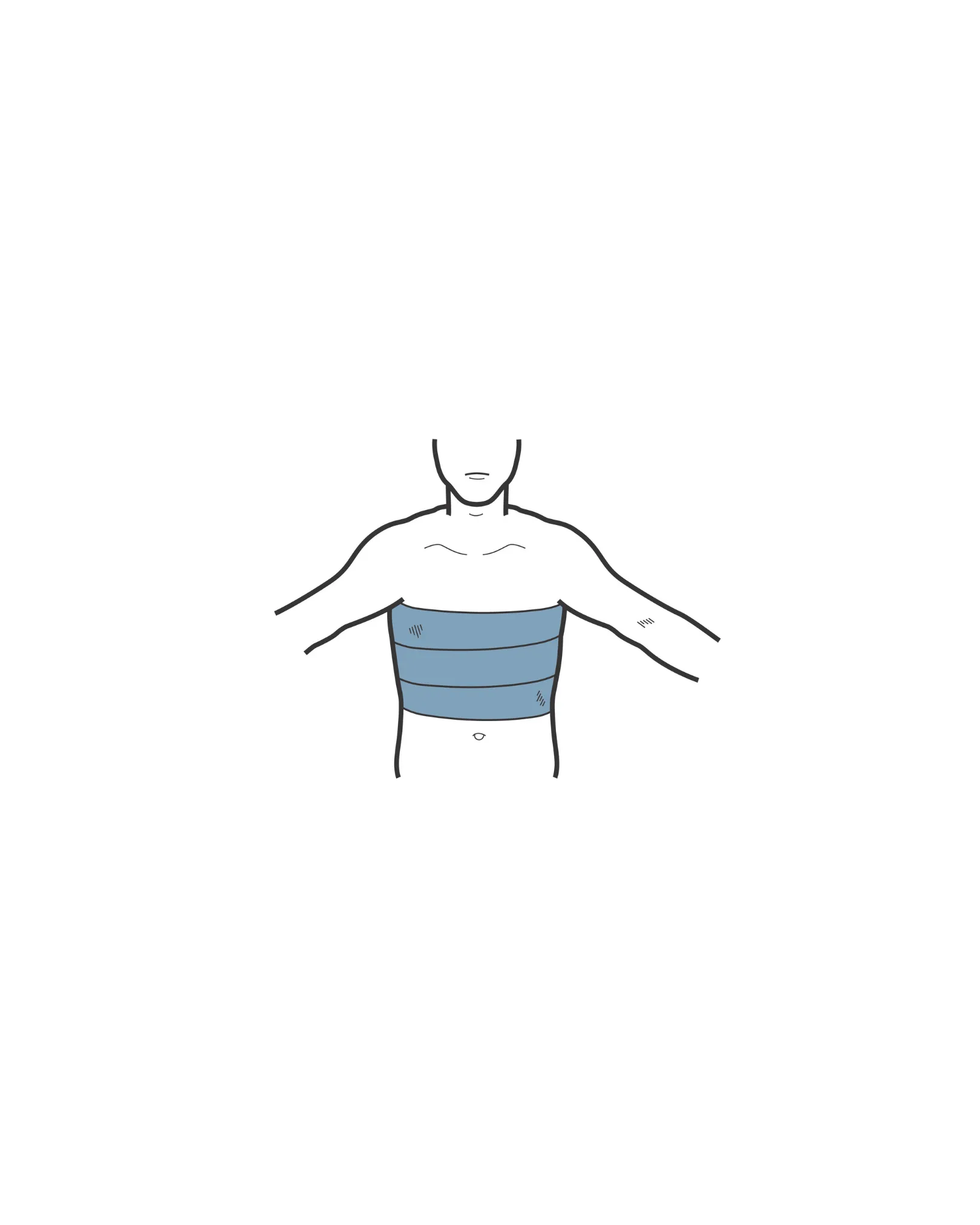
A fall on the rib cage can damage the ribs. Injuries can range from minor bruising to multiple rib fractures.
Internal medicine problems
Internal medical problems are physical complaints without any external injury, such as circulatory problems, hypothermia, or cardiovascular issues – in other words, anything that can suddenly cause problems even without a fall from the bike.
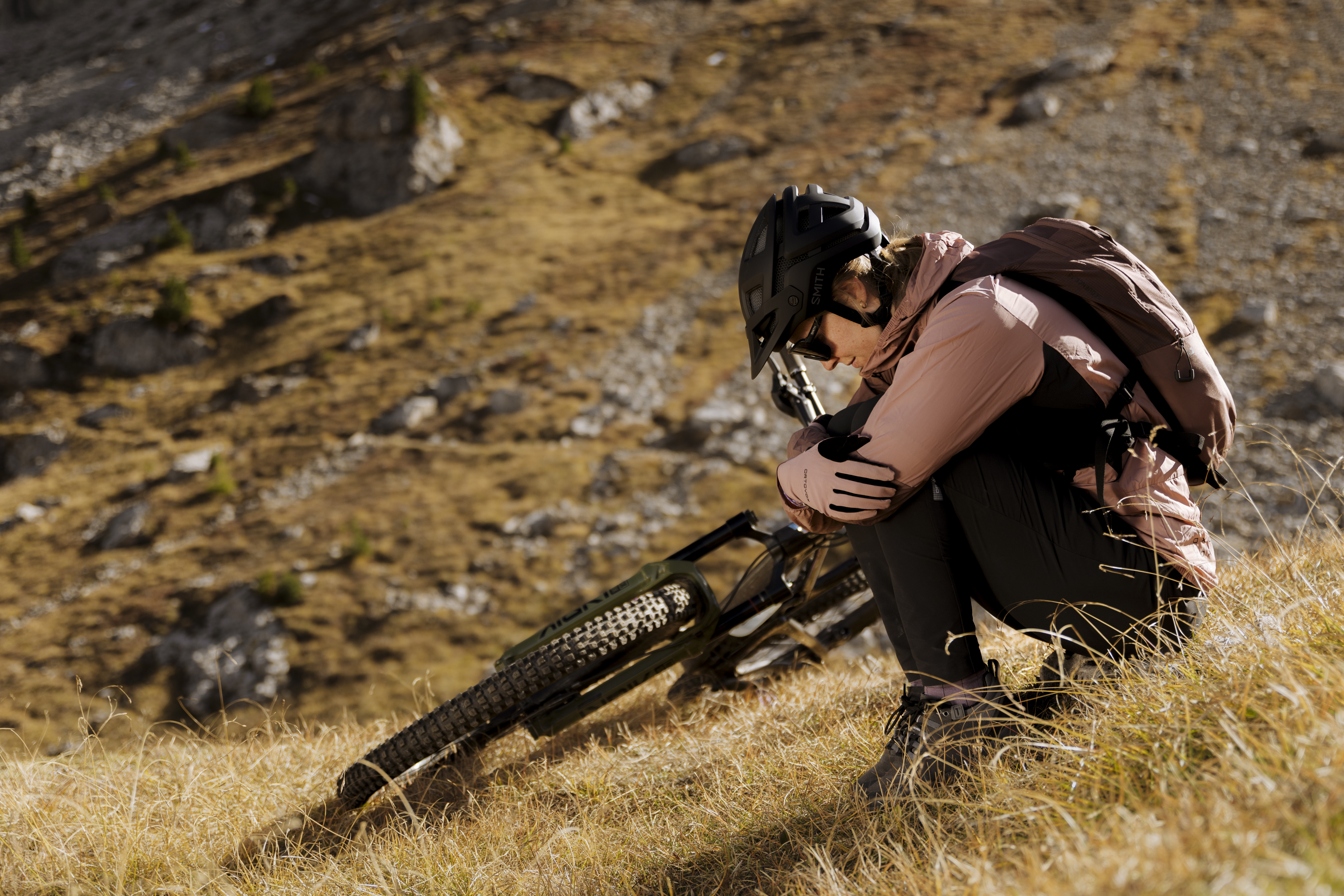
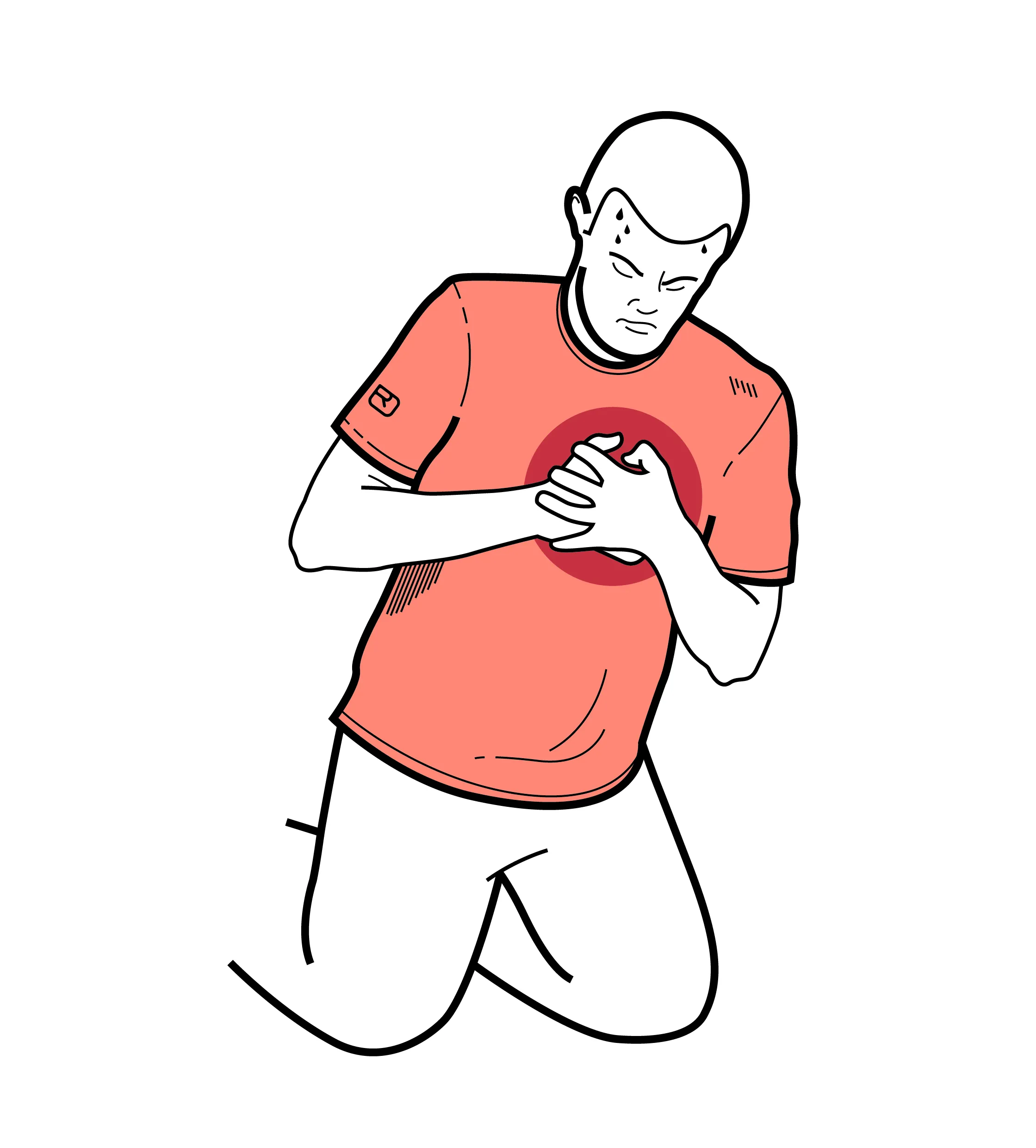
Heart attack
Sudden cardiac death is the most common cause of death in Germany and the second most common inthe mountains.
Heat exhaustion
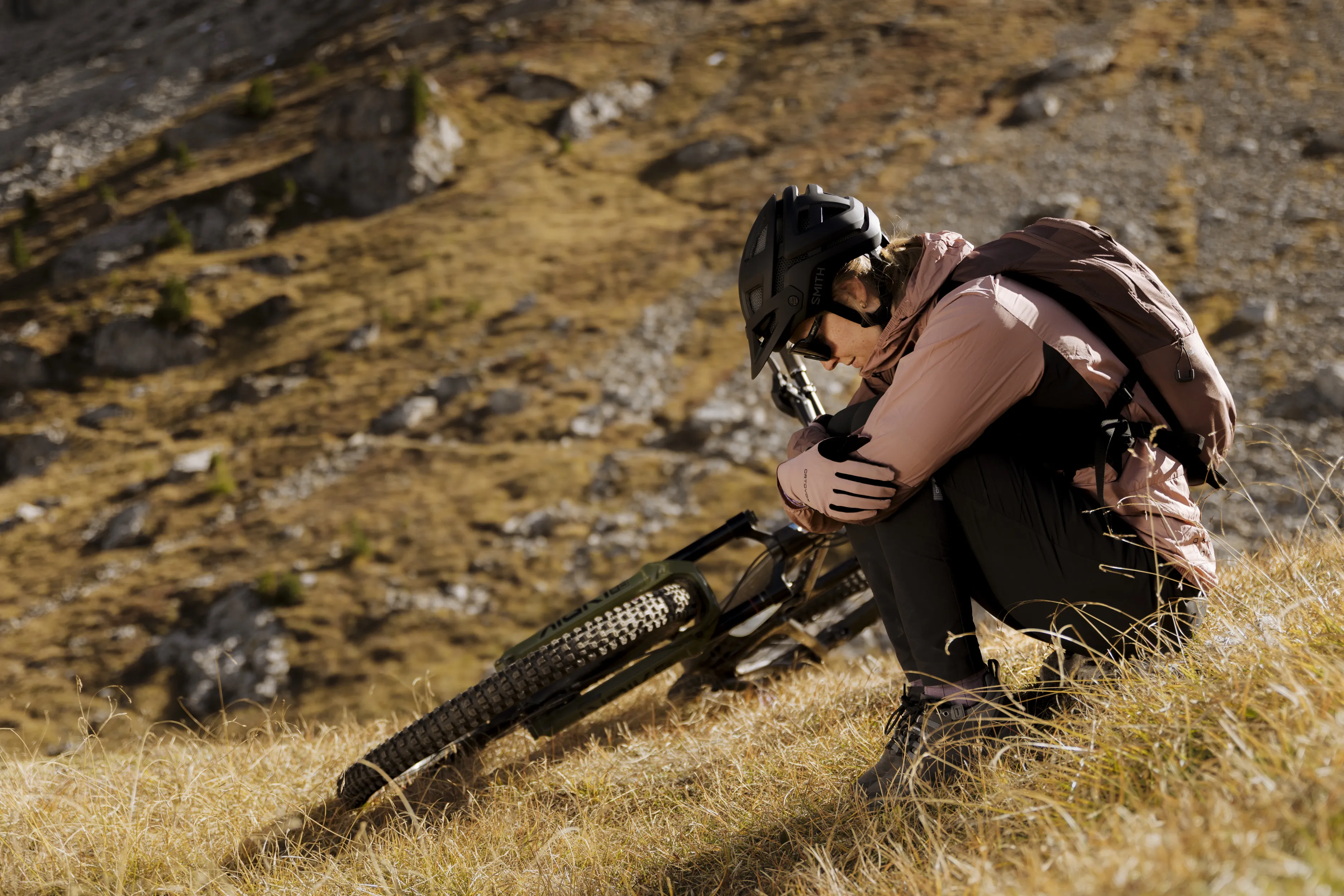
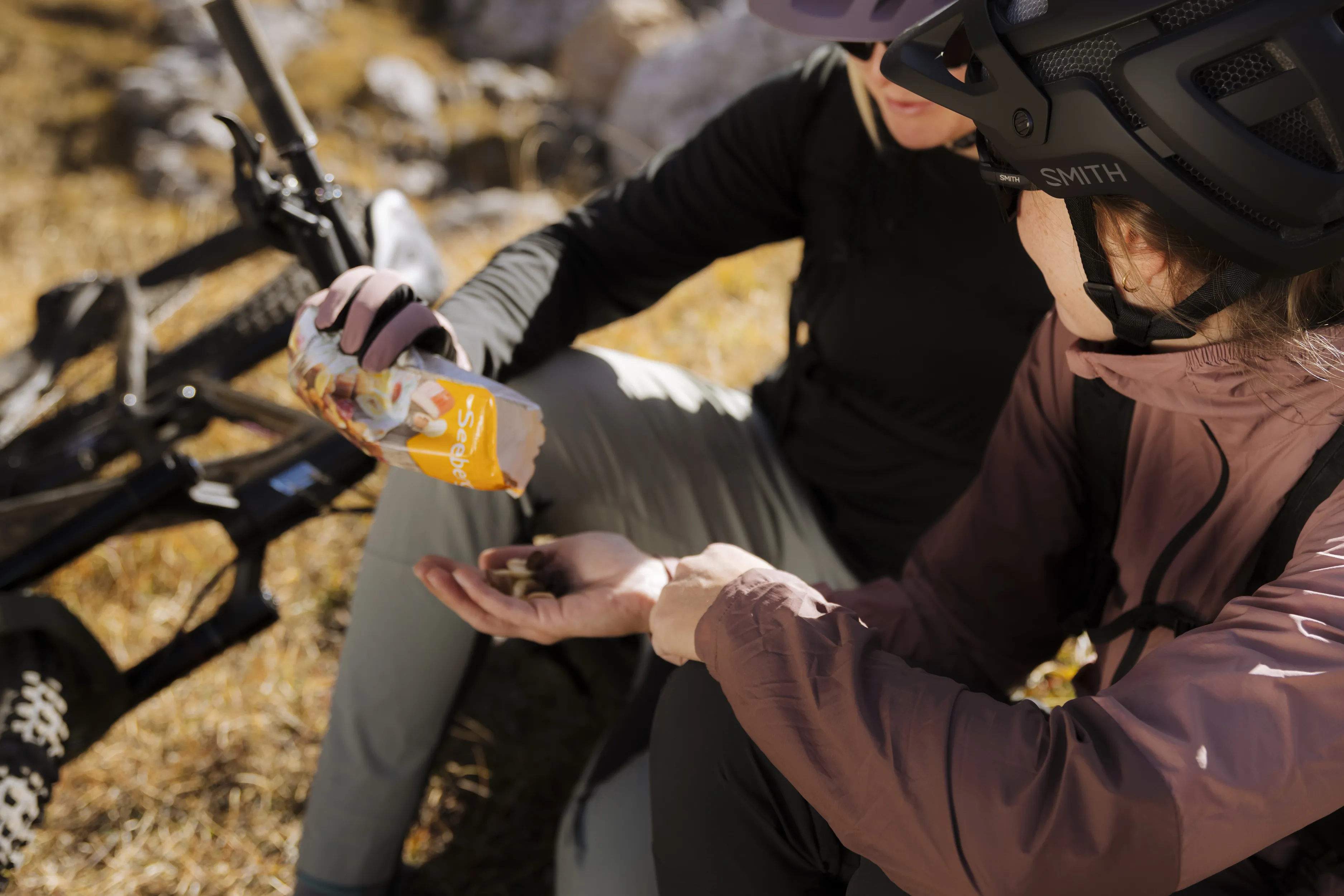
People often forget to eat, drink and take regular breaks when in the moun tains. Many climbers may even carry only a small bottle or no liquids at all in order to keep weight to a minimum. On very hot days in particular, when fluids are lost through severe sweating or extreme physical exertion, this lack of fluid intake can result in heat exhaustion / dehydration.
Circulatory problems
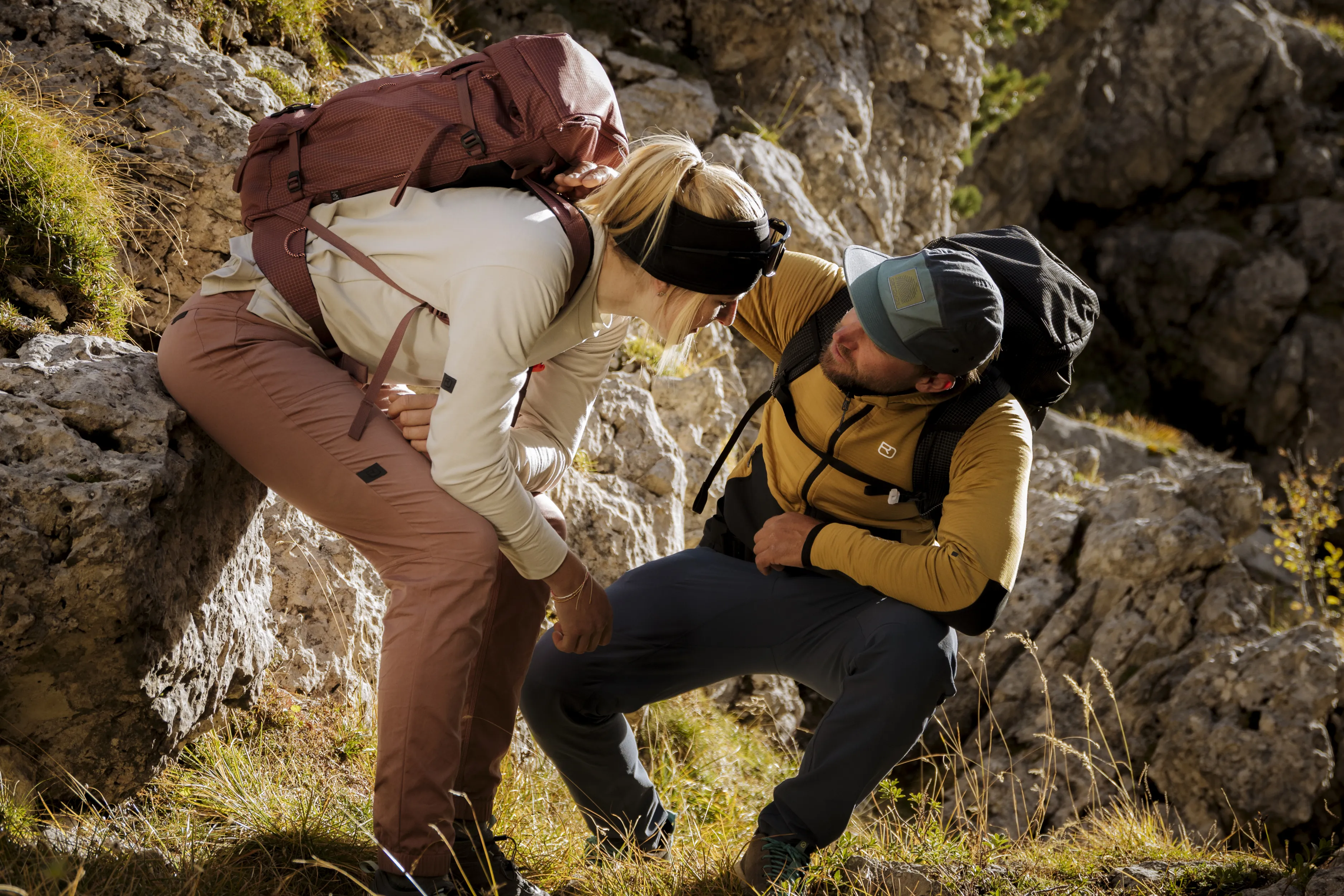
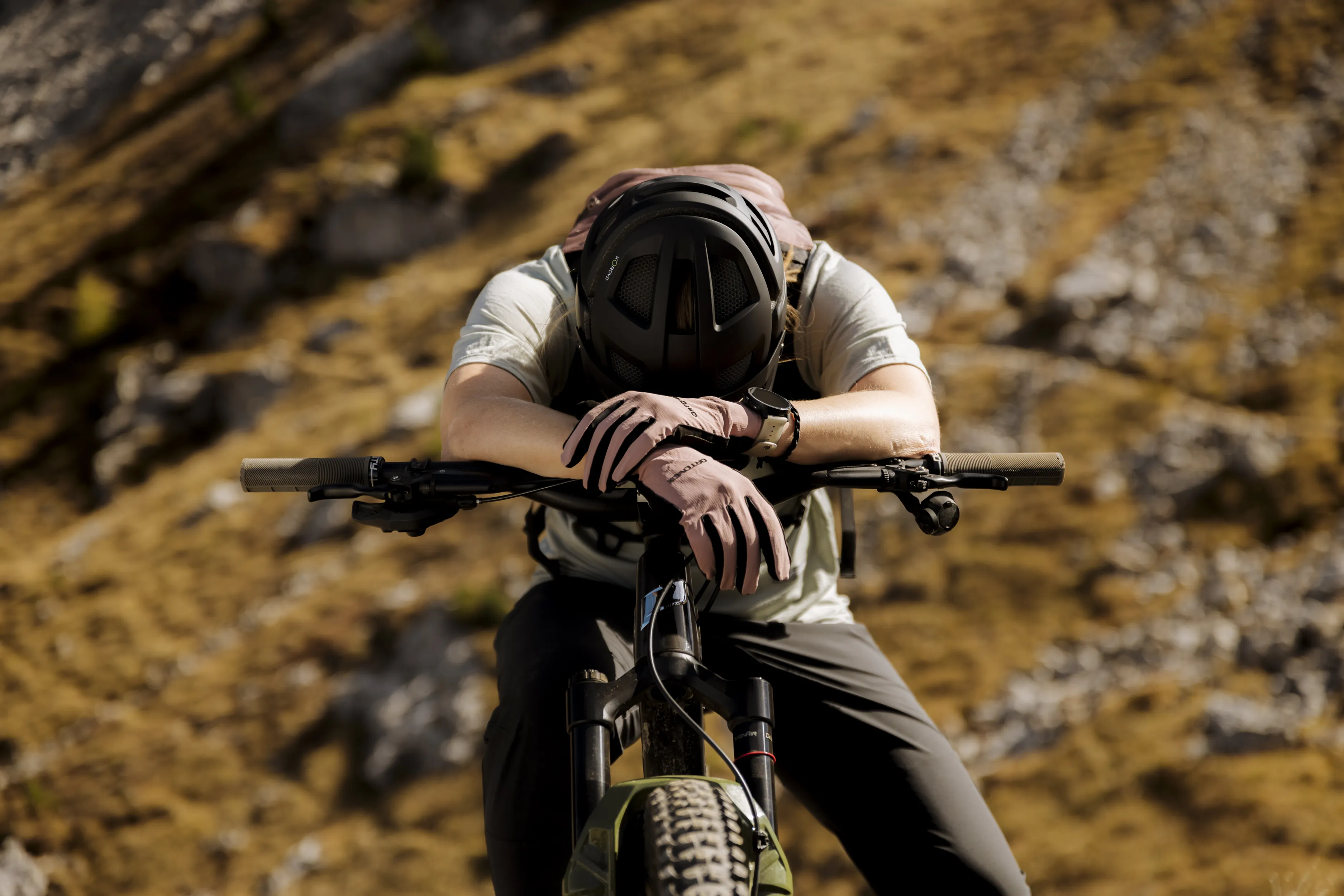
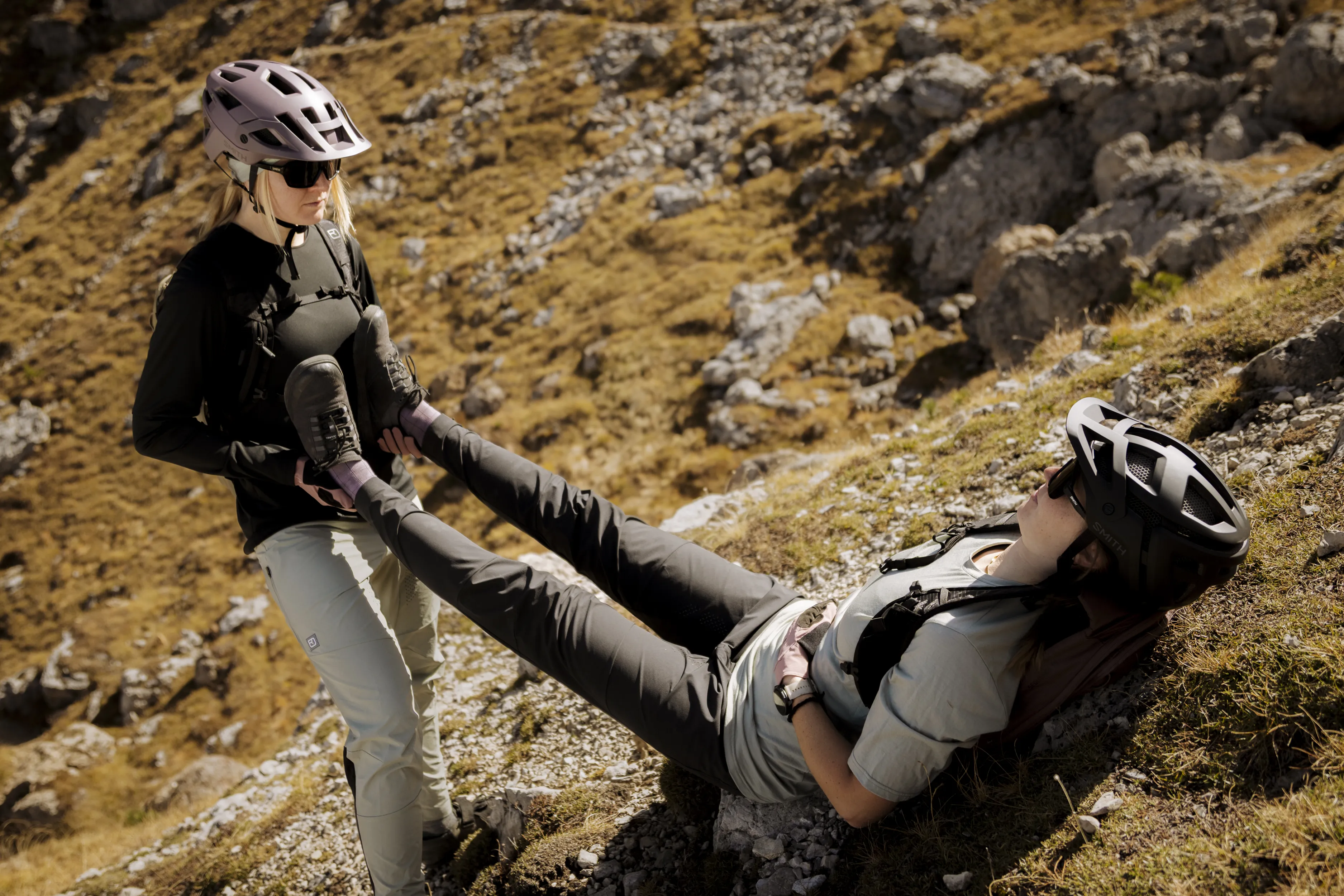
Circulatory problems may have many causes and are as likely to occur in the mountains as they are in an urban environment. In particular, they can be caused by a state of exhaustion brought on by physical exertion. For example, if you don’t eat and drink enough or take enough breaks, it can effect your circulation.
You would like to acquire more mountain biking first aid knowledge?
Supporter of this safety initiative

Safely equipped when mountain biking